Webinar: Best Practices for Incorporating Equity into Performance-Based Processes
Recent events have further highlighted the systemic inequities built into American society, and our transportation infrastructure is no exception. People of color consistently experience worse mobility outcomes than white people, with longer and more difficult trips to access employment and other critical needs. These barriers have a major impact on economic stability and wealth accrual. To rectify these problems, the transportation sector needs to integrate equity into its methods for allocating resources. This webinar will highlight research published in a recent American Planning Association Planning Advisory Services Memo on using equity-oriented performance measures in transportation planning, documenting current methods in practice, and suggesting approaches for improvement.
Speakers:
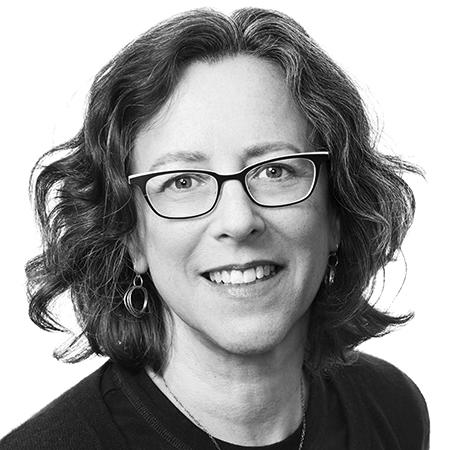
Audrey Wennink, Director of Transportation, Metropolitan Planning Council of Chicago
Brianne Eby, Senior Policy Analyst, Eno Center for Transportation
Watch the Recording:
 Audrey is the Director of Transportation for the Metropolitan Planning Council in Chicago, a nonprofit organization that conducts policy research and advocacy on urban planning issues in the region. Her work includes pursuing sustainable funding for transportation in Illinois, increasing support of sustainable forms of transportation, integration of performance-based planning methods into transportation practice, and developing efforts to boost transportation equity. She coordinates transportation initiatives with other facets of planning including affordable housing, land use, equity and the environment. Her team has partnered on development of a series of equity-oriented transportation research products and tools including a qualitative study of Black and Brown transportation users’ experience and a toolbox for employers to support worker transportation. Under her leadership, MPC developed the Toward Universal Mobility report defining needed improvements to the Chicago region’s transportation system to benefit people with disabilities and seniors. MPC’s Transit Means Business report helped support advocacy for the state’s 2019 gas tax increase that now provides dedicated capital funding for transit in Illinois. Prior to her current position she was a transportation planning consultant for more than a decade. She holds a bachelor’s degree from Colby College and a Master’s of Urban Planning and Policy from the University of Illinois – Chicago.

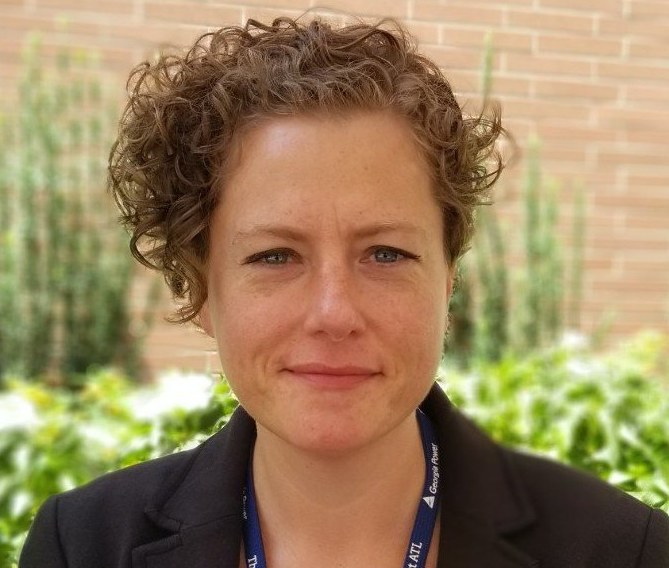 Renee Autumn Ray is an urban planner who has worked in transportation and public health planning, policy, operations, and data evaluation. Renee focuses on reducing barriers to access for vulnerable populations, including people who have low incomes or disabilities, are unbanked, or lack smartphones. She currently leads innovation and strategy for Conduent Transportation, a technology company which includes payment processing, enforcement, and data analytics for transit, curbside management, road user charging, and public safety. Renee also serves on the Board of Directors for Georgia Bikes and on the Transportation Research Board committees for Intelligent Transportation Systems and Innovative Public Transport Services and Technologies.
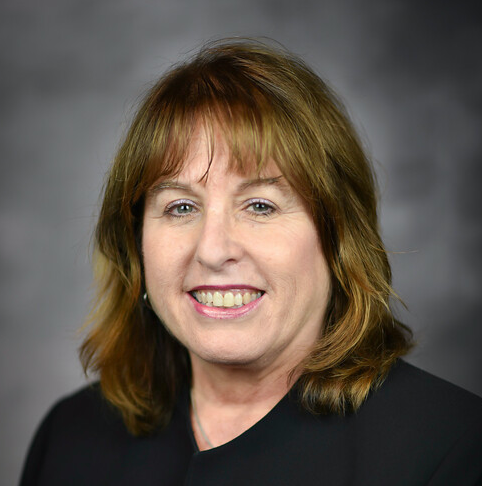 Judy Shanley, Ph.D. is the Assistant Vice President, Education and Youth Transition at the national office of Easterseals in Chicago, IL and serves as Easterseals Director of the FTA-funded National Center for Mobility Management (NCMM). She manages Federal projects, conducts research, and provides technical assistance regarding transportation coordination and mobility management. Shanley convenes diverse audiences and provides professional development to align mobility solutions with the needs of all riders. Shanley also oversees Easterseals national education and youth transition programs and brings together school, VR, workforce, and public transportation providers to support postschool outcomes for youth. Prior to Easterseals, Shanley worked at the U.S. Department of Education, where she wrote federal grants and monitored programs to ensure compliance with Federal regulations. Prior to Federal service, Shanley was a Principal Research Analyst at the Americans Institutes for Research for 9 years. She earned her Ph.D. in Special Education from the University of Florida and an M.B.A. and a Master’s in Rehabilitation Counseling, both from Syracuse University.
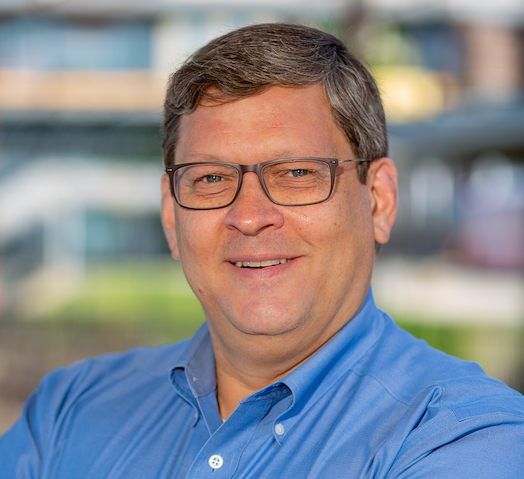 David Rishel is Principal at Delta Services Group, a transit-focused consulting firm near Philadelphia. He started his career in the late 1980’s at Mayflower, managing their SEPTA paratransit contract in Philadelphia. He then joined New Jersey Transit in 1992, as the founding Director of their ADA Unit. In this position, he designed, implemented and managed one of the only state-wide ADA paratransit systems in the country, serving 18 New Jersey counties, Philadelphia and New York City. At NJT, David was also responsible for the agency’s overall ADA compliance, including bus, rail, subway, light rail and all passenger facilities. In 1999, he left New Jersey to become a consultant and has specialized in paratransit and mainline ADA compliance projects. Some of his most notable work has been in Boston, as the principal consultant advising the settlement of the MBTA’s ADA lawsuit; in Detroit, serving as the Independent Monitor of their ADA settlement; in Los Angeles, leading the redesign of the Access Services passenger eligibility process; and, working with WMATA’s MetroAccess to redesign, procure and implement their ongoing ADA paratransit service. David is currently Chair of the APTA Access Committee’s Transit and Paratransit Operations Subcommittee and is the most recent Chair of the Research Subcommittee of the TRB Paratransit Committee.
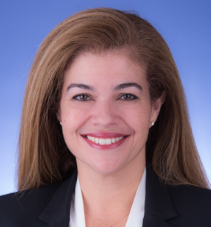 Alice N. Bravo, P.E., was appointed Director of Miami-Dade Transit in July 2015. In February 2016, Ms. Bravo was appointed Director of the of the Department of Transportation and Public Works (DTPW), which merged the County’s Transit and Public Works functions under one department. DTPW operates the 15th largest public transit system in the United States, and the largest in Florida. This includes the Metrobus fleet that runs approximately 28.9 million miles through most areas of Miami-Dade County; the electrically-powered, elevated, 25-mile rapid transit Metrorail system; the 4.4-mile elevated Metromover; and the paratransit service (Special Transportation Service) that meets the needs of the disabled. Throughout her career, Ms. Bravo has managed numerous diversified public-private partnership projects including the $1 billion Port Miami tunnel; the innovative I-95 Express Project; and the $550 million S.R. 826-S.R. 836 interchange reconstruction project. Ms. Bravo also oversaw a $573 million capital improvement program at the City of Miami, and was responsible for implementing the city’s trolley circulator system. Ms. Bravo is a licensed Civil Engineer with a bachelor’s degree from the University of Miami and a Master’s in Business Administration from Florida International University.
 Gary C. Thomas is president/executive director of Dallas Area Rapid Transit (DART). He is responsible for a 13-city transit system covering 700-square mile service area with bus, light rail, commuter rail, and paratransit services. Under his leadership DART has doubled its light rail system – twice – to become the nation’s longest at 93 miles. The agency has been recognized for innovation in developing a progressive clean fuels program for its bus fleet, advancing new models for local bus and paratransit service and customer-facing communication technology and service. DART is also a recognized leader in the global advancement of the Mobility as a Service (MaaS) movement with its use of targeted demand-response transit service matched with new customer tools for fare payment and trip planning. Thomas administers the goals and policies of the DART Board of Directors and directs the agency’s top managers and approximately 4,000 employees, emphasizing a strong customer focus. He works closely with service area city governments and the public in developing short- and long-term transportation and mobility goals. Thomas joined DART in November 1998. He was a consulting engineer for 19 years prior to that. He has a Bachelor of Science in Civil Engineering and a Bachelor of Architecture from Texas Tech University.
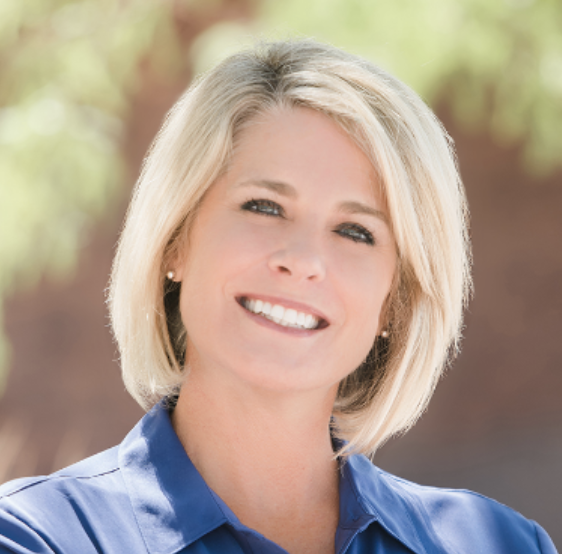 Tina Quigley served as CEO for the Regional Transportation Commission of Southern Nevada until her retirement in November of last year. Named the most efficient transit system in America under her leadership, the RTC oversees public transportation, traffic management, road construction and funding, and regional planning for a city of 2.2 million residents and 43 million annual visitors. During her tenure, Quigley embraced and fought for sweeping technological advances, advocated for comprehensive future planning, and built critical partnerships to position the Las Vegas Valley for ongoing and sustained economic vitality. Quigley began her career as a manager at McCarran International Airport, one of the nation’s busiest airports. She is a licensed pilot and holds a Bachelor of Science degree in Aviation Business and Planning from Embry Riddle Aeronautical University, and is an alumni of Harvard Business School Program for Leadership Development. She is active on several boards including the Desert Research Institute Foundation, Vegas Chamber, Nevada Institute of Autonomous Systems, International Women’s Forum, and the Fulfillment Fund of Las Vegas. Tina is an avid believer in the application of data and analytics for advancing safety in mobility. She recently joined Waycare Technologies as an advisory board member to help accelerate the conversation and adoption of these life saving initiatives.
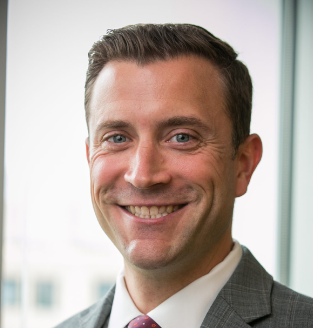 As AAR’s President and CEO, Jefferies advocates for and works with member railroads to ensure the long-term viability of America’s railroad industry. Jefferies has more than a decade of experience working in government. From 2009 to 2013, he served as a Senior Policy Advisor to the Chairman of the U.S. Senate Committee on Commerce, Science and Transportation, and from 2013-2019 he was AAR’s Senior Vice President of Government Affairs.
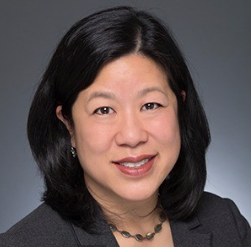 Tilly Chang serves as Executive Director of the San Francisco County Transportation Authority. The Transportation Authority’s mission is to make travel safer, healthier, and easier for all. The agency plans, funds and delivers local and regional projects to improve travel choices for residents, commuters, and visitors throughout the city. Ms. Chang has 27 years of experience, including 17 years with the Transportation Authority where she previously served as the agency’s Deputy Director for Planning. She serves on the Boards of the Intelligent Transportation Society of America, the California Transportation Foundation, SPUR, and Self-Help for the Elderly. Ms. Chang is an alternate on the Transbay Joint Powers Authority Board of Directors, Co-chair of ITSA’s Smart Infrastructure Task Force, and Vice-Chair of the California Self-Help Counties Coalition. Ms. Chang was named 2019 Woman of the Year by the San Francisco chapter of WTS and in 2015 the San Francisco Business Times named her one of the Bay Area’s Most Influential Women.
 Hana Creger, Environmental Equity Program Manager, works on the development and implementation of policies leading to clean transportation and mobility investments that will benefit low-income communities of color. She was the lead author of the
  Río Oxas is of Náhuat-Pipil, Mayan, and spaniard lineage and was born & raised in Tongva lands (Los Angeles). They are the co-founder of RAHOK: Race. Ancestors. Health. Outdoors. and Knowledge, a family-owned social enterprise that provides services in education, land stewardship, and asset management. Río is a national speaker, educator, realtor, consultant for equity and racial justice, as well as a student of life and joy. Over the past twenty years, they have worked alongside Black Indigenous People of Color communities to advocate for mobility, food, racial, environmental, and health justice. Río’s work through RAHOK illuminates the interdepence of our people, planet and beyond so we may cultivate neighborhoods/ecosystems that are caring and compassionate for all beings.
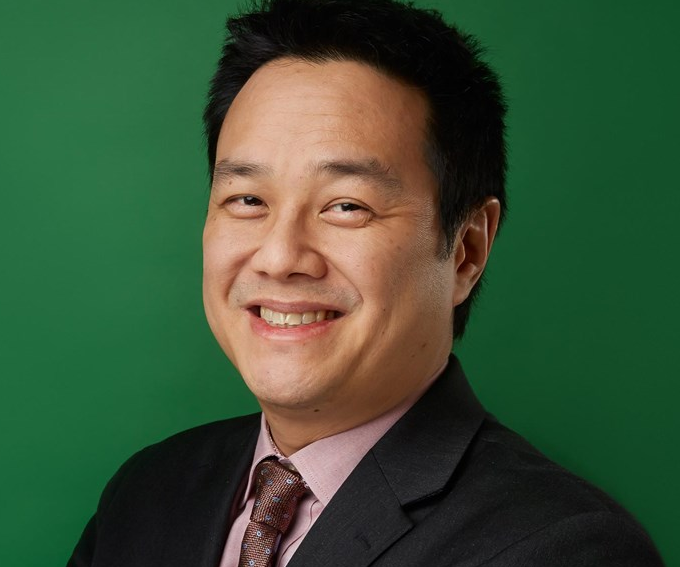 Don Chen is the President of the Surdna Foundation where he leads the 100-year old foundation’s efforts to strengthen and further leverage its commitment to social justice. Prior to his appointment, Don was the Director of the Cities & States program at the Ford Foundation, where his work supported urban development initiatives to make housing more affordable, promote more equitable land use practices, and empower communities to have a powerful decision-making voice in American cities and in developing countries. He also led a multi-program team to support the strengthening of social justice organizations and networks in targeted U.S. states. Previously, Don was the Founder and CEO of Smart Growth America, where he led efforts to create the National Vacant Properties Campaign (which later became the Center for Community Progress) and Transportation for America, and managed a merger with the Growth Management Leadership Alliance. He has authored many pieces on land use, transportation, social equity, and environmental policy. Don currently serves on the boards of Living Cities, Asian Americans and Pacific Islanders in Philanthropy, and Philanthropy New York. He holds a master’s degree from the Yale School of the Environment and a bachelor’s degree in political science from Yale University.