Waterborne Competitiveness: U.S. and Foreign Investments in Inland Waterways
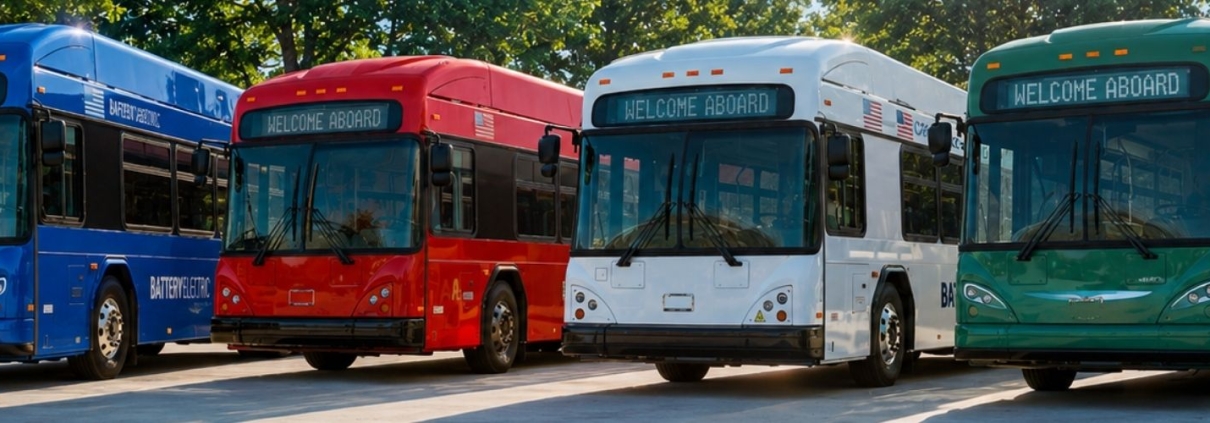
When the Infrastructure Investment and Jobs Act (IIJA) was signed into law at the end of 2021, it promised to usher in a new era in transportation, energy, water, and telecommunications projects. This major increase in investment provides public transportation programs with $90 billion in…
Want a high level overview of this report? Sign up now for the webinar on June 7 with the authors. The 12,000-mile inland waterways network in the United States is a vital trade corridor serving energy, agriculture, and other freight shipments internally and for export. Major global events like…
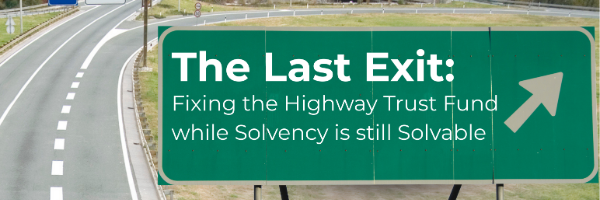
The Last Exit: Fixing the Highway Trust Fund while Solvency is still Solvable
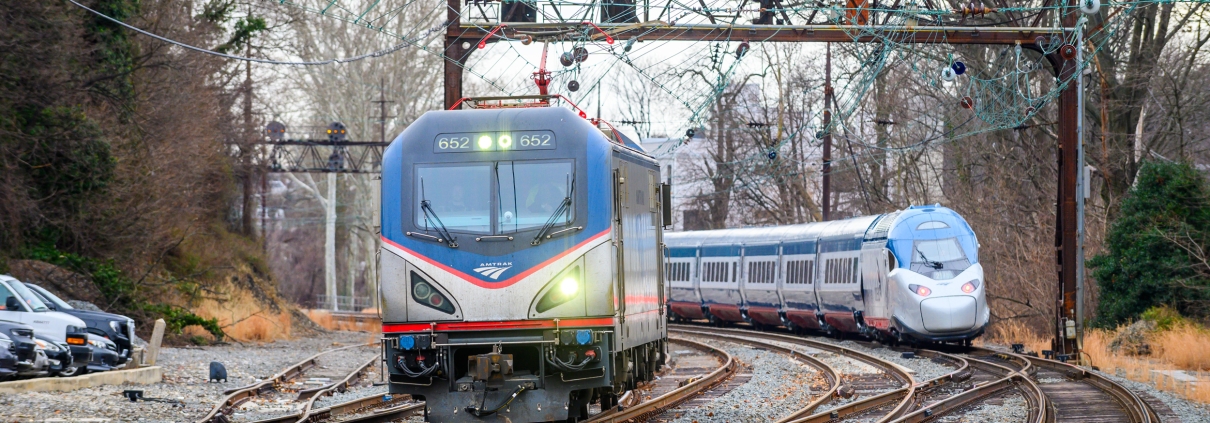
/March 17, 2026 – As the Infrastructure Investment and Jobs Act’s advance appropriations expire in 2026, Congress faces a critical choice between locking in the efficiency, capacity, and ridership gains enabled by predictable rail funding or reverting to an unstable annual funding cycle that would squander recent progress.
Looking Down the Tracks: A Case for More Predictable Intercity Passenger Rail Funding
/January 27, 2026 – As the Infrastructure Investment and Jobs Act’s advance appropriations expire in 2026, Congress faces a critical choice between locking in the efficiency, capacity, and ridership gains enabled by predictable rail funding or reverting to an unstable annual funding cycle that would squander recent progress.
Planning in the Age of Uncertainty: Advancing Transportation Resilience Through Decision Making Under Deep Uncertainty
/Rising Construction Costs: Analyzing the Contributors to Cost Escalations and the Impact on Federal Transportation Infrastructure Investments
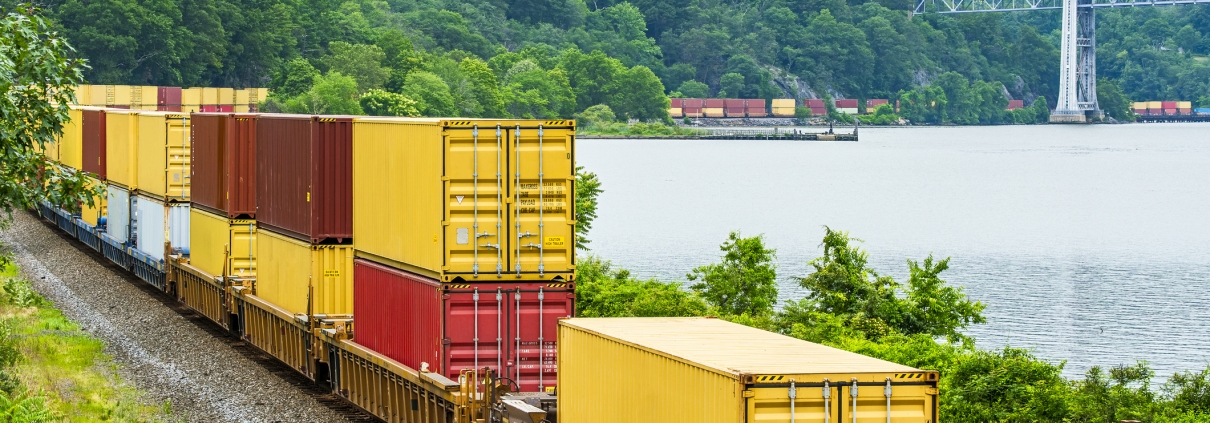
/Freight Rail for the 21st Century: Opportunities for Mode Shift to Improve Efficiency and Resiliency: A Route Map for Policymakers
/The People Behind Major Transit Projects
/Benefits and Beneficiaries of the Nation’s Inland Waterways
/The Europeans settled the United States via waterborne transportation. Settlements, and then cities, first arose where there were natural seaports. They later developed along rivers as far upstream as the boats of the time could manage. Beginning in the Jacksonian era, the federal government took on responsibility for keeping those inland waterways navigable and properly maintained.
Support Eno
Eno is an independent, non-partisan think-tank that shapes public debate on critical multimodal transportation issues and builds an innovative network of transportation professionals. Your membership and donations helps support the independent analysis and research you depend on.
See What’s Coming Up at Eno
Visit our event page to see a list of current and past professional development programs, webinars, and more.