
 https://enotrans.org/wp-content/uploads/2023/02/Obama_Budget.JPEG-02fcb_s878x585-e1455215837142.jpg
534
750
Jeff Davis
https://enotrans.org/wp-content/uploads/2022/12/Eno-Logo-2.png
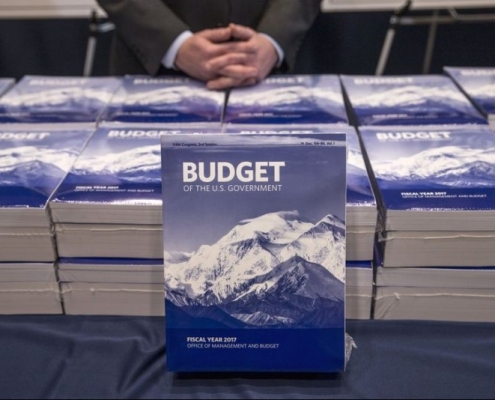
Jeff Davis2016-02-11 19:43:412023-06-28 06:54:58President Obama’s Final Transportation Budget Maintains FAST Act, Avoids Spending Tradeoffs
https://enotrans.org/wp-content/uploads/2023/02/Obama_Budget.JPEG-02fcb_s878x585-e1455215837142.jpg
534
750
Jeff Davis
https://enotrans.org/wp-content/uploads/2022/12/Eno-Logo-2.png
Jeff Davis2016-02-11 19:43:412023-06-28 06:54:58President Obama’s Final Transportation Budget Maintains FAST Act, Avoids Spending TradeoffsRailroads have been a vital presence in American transportation for nearly 200 years moving both passengers and freight efficiently and effectively. Freight railroads in the United States are mostly owned by private companies, who maintain and operate their own networks. Passenger systems, whether through Amtrak or various commuter railroads, require public assistance and either operate on their own track or pay to use freight railroad-owned track.
https://enotrans.org/wp-content/uploads/2023/02/Obama_Budget.JPEG-02fcb_s878x585-e1455215837142.jpg
534
750
Jeff Davis
https://enotrans.org/wp-content/uploads/2022/12/Eno-Logo-2.png
Jeff Davis2016-02-11 19:43:412023-06-28 06:54:58President Obama’s Final Transportation Budget Maintains FAST Act, Avoids Spending Tradeoffs https://enotrans.org/wp-content/uploads/2023/01/iStock_000012210506_Large-e1455199867390.jpg
500
750
Jeff Davis
https://enotrans.org/wp-content/uploads/2022/12/Eno-Logo-2.png
Jeff Davis2016-02-11 07:45:372023-06-28 06:55:01The President’s “21st Century Clean Transportation” Plan – Bold and Transformative, or Reminder of a Missed Opportunity?
https://enotrans.org/wp-content/uploads/2023/01/iStock_000012210506_Large-e1455199867390.jpg
500
750
Jeff Davis
https://enotrans.org/wp-content/uploads/2022/12/Eno-Logo-2.png
Jeff Davis2016-02-11 07:45:372023-06-28 06:55:01The President’s “21st Century Clean Transportation” Plan – Bold and Transformative, or Reminder of a Missed Opportunity?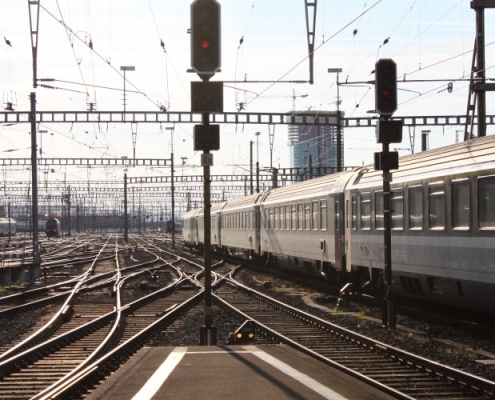 https://enotrans.org/wp-content/uploads/2023/02/TrainTracks-1-e1454683918389.jpg
500
750
Jeff Davis
https://enotrans.org/wp-content/uploads/2022/12/Eno-Logo-2.png
Jeff Davis2016-02-05 12:46:472023-06-28 06:55:01CBO Predicts $2.5B in ARRA High-Speed Rail Money Will Evaporate, Unspent
https://enotrans.org/wp-content/uploads/2023/02/TrainTracks-1-e1454683918389.jpg
500
750
Jeff Davis
https://enotrans.org/wp-content/uploads/2022/12/Eno-Logo-2.png
Jeff Davis2016-02-05 12:46:472023-06-28 06:55:01CBO Predicts $2.5B in ARRA High-Speed Rail Money Will Evaporate, Unspent https://enotrans.org/wp-content/uploads/2023/02/Screen-Shot-2016-01-08-at-7.44.14-AM-e1452271169998.png
492
750
Emily Han
https://enotrans.org/wp-content/uploads/2022/12/Eno-Logo-2.png
Emily Han2016-01-08 16:12:002023-06-28 06:55:05GAO Analyzes Amtrak’s “Business Line Model” Restructuring Efforts
https://enotrans.org/wp-content/uploads/2023/02/Screen-Shot-2016-01-08-at-7.44.14-AM-e1452271169998.png
492
750
Emily Han
https://enotrans.org/wp-content/uploads/2022/12/Eno-Logo-2.png
Emily Han2016-01-08 16:12:002023-06-28 06:55:05GAO Analyzes Amtrak’s “Business Line Model” Restructuring Efforts https://enotrans.org/wp-content/uploads/2023/02/highway_bill_conference-1-e1452271431238.jpg
487
750
Emil Frankel
https://enotrans.org/wp-content/uploads/2022/12/Eno-Logo-2.png
Emil Frankel2016-01-08 01:21:352023-04-17 07:22:21“FAST Act – The Good and the Bad”
https://enotrans.org/wp-content/uploads/2023/02/highway_bill_conference-1-e1452271431238.jpg
487
750
Emil Frankel
https://enotrans.org/wp-content/uploads/2022/12/Eno-Logo-2.png
Emil Frankel2016-01-08 01:21:352023-04-17 07:22:21“FAST Act – The Good and the Bad” https://enotrans.org/wp-content/uploads/2023/02/membersOnly-1976-01-02-RRRR-decision-memos-pdf.jpg
1439
1054
ENO CENTER FOR TRANSPORTATION
https://enotrans.org/wp-content/uploads/2022/12/Eno-Logo-2.png
ENO CENTER FOR TRANSPORTATION2016-01-06 02:28:292023-04-28 14:09:591976 (Jan.) RRRR Conference Decision Memos for President Ford
https://enotrans.org/wp-content/uploads/2023/02/membersOnly-1976-01-02-RRRR-decision-memos-pdf.jpg
1439
1054
ENO CENTER FOR TRANSPORTATION
https://enotrans.org/wp-content/uploads/2022/12/Eno-Logo-2.png
ENO CENTER FOR TRANSPORTATION2016-01-06 02:28:292023-04-28 14:09:591976 (Jan.) RRRR Conference Decision Memos for President Ford https://enotrans.org/wp-content/uploads/2023/02/fastactgraphic.jpg
260
502
Emily Han
https://enotrans.org/wp-content/uploads/2022/12/Eno-Logo-2.png
Emily Han2015-12-23 00:49:392023-06-28 06:55:05Comparing the FAST Act’s Environmental Streamlining Provisions With GROW AMERICA
https://enotrans.org/wp-content/uploads/2023/02/fastactgraphic.jpg
260
502
Emily Han
https://enotrans.org/wp-content/uploads/2022/12/Eno-Logo-2.png
Emily Han2015-12-23 00:49:392023-06-28 06:55:05Comparing the FAST Act’s Environmental Streamlining Provisions With GROW AMERICA https://enotrans.org/wp-content/uploads/2023/02/dot_logo_slide_research-e1445029333833.jpg
208
291
Jeff Davis
https://enotrans.org/wp-content/uploads/2022/12/Eno-Logo-2.png
Jeff Davis2015-12-16 09:14:012023-06-28 06:55:07Omnibus FY16 Bill Provides $76 Billion for USDOT
https://enotrans.org/wp-content/uploads/2023/02/dot_logo_slide_research-e1445029333833.jpg
208
291
Jeff Davis
https://enotrans.org/wp-content/uploads/2022/12/Eno-Logo-2.png
Jeff Davis2015-12-16 09:14:012023-06-28 06:55:07Omnibus FY16 Bill Provides $76 Billion for USDOT https://enotrans.org/wp-content/uploads/2023/02/Screen-Shot-2015-12-14-at-12.02.02-PM-e1450112574570.png
375
500
ENO CENTER FOR TRANSPORTATION
https://enotrans.org/wp-content/uploads/2022/12/Eno-Logo-2.png
ENO CENTER FOR TRANSPORTATION2015-12-11 21:05:112023-04-28 14:10:351970 (Oct.) White House Debate Whether to Sign the Amtrak Bill
https://enotrans.org/wp-content/uploads/2023/02/fastactgraphic.jpg
260
502
Jeff Davis
https://enotrans.org/wp-content/uploads/2022/12/Eno-Logo-2.png
Jeff Davis2015-12-10 00:59:232023-04-17 06:18:31How Does the FAST Act Compare to the GROW AMERICA Proposal?
https://enotrans.org/wp-content/uploads/2023/02/Screen-Shot-2015-12-14-at-12.02.02-PM-e1450112574570.png
375
500
ENO CENTER FOR TRANSPORTATION
https://enotrans.org/wp-content/uploads/2022/12/Eno-Logo-2.png
ENO CENTER FOR TRANSPORTATION2015-12-11 21:05:112023-04-28 14:10:351970 (Oct.) White House Debate Whether to Sign the Amtrak Bill
https://enotrans.org/wp-content/uploads/2023/02/fastactgraphic.jpg
260
502
Jeff Davis
https://enotrans.org/wp-content/uploads/2022/12/Eno-Logo-2.png
Jeff Davis2015-12-10 00:59:232023-04-17 06:18:31How Does the FAST Act Compare to the GROW AMERICA Proposal? https://enotrans.org/wp-content/uploads/2023/02/1965-Dec-stakeholder-meetings-pdf.jpg
4196
3287
ENO CENTER FOR TRANSPORTATION
https://enotrans.org/wp-content/uploads/2022/12/Eno-Logo-2.png
ENO CENTER FOR TRANSPORTATION2015-12-07 17:04:542023-04-28 14:10:351965 (Dec.) White House Meetings With Transportation Stakeholders
https://enotrans.org/wp-content/uploads/2023/02/1965-Dec-stakeholder-meetings-pdf.jpg
4196
3287
ENO CENTER FOR TRANSPORTATION
https://enotrans.org/wp-content/uploads/2022/12/Eno-Logo-2.png
ENO CENTER FOR TRANSPORTATION2015-12-07 17:04:542023-04-28 14:10:351965 (Dec.) White House Meetings With Transportation Stakeholders https://enotrans.org/wp-content/uploads/2023/02/wh_2015_budgetbook.jpg.png
281
456
Jeff Davis
https://enotrans.org/wp-content/uploads/2022/12/Eno-Logo-2.png
Jeff Davis2015-12-05 00:21:582023-06-28 06:55:07Omnibus FY16 Appropriations Bill On Tap For Next Week
https://enotrans.org/wp-content/uploads/2023/02/wh_2015_budgetbook.jpg.png
281
456
Jeff Davis
https://enotrans.org/wp-content/uploads/2022/12/Eno-Logo-2.png
Jeff Davis2015-12-05 00:21:582023-06-28 06:55:07Omnibus FY16 Appropriations Bill On Tap For Next WeekSafer Railroading: A Guide Toward Targeted Safety Policy

Railroads are among the safest modes of transportation for workers, riders, and the public. Strong federal standards for railroad track and operations, technological investments like positive train control, and communities’ infrastructure improvements have yielded significant gains. But most of these gains have plateaued and in some cases safety trends are moving in the wrong direction. A new strategy and framework is needed to address the most significant safety issues facing railroads. This report explores trends in railroad safety data and actionable recommendations for federal, state, local, and private sector actors to make a demonstrable improvement in railroad safety.