
 https://enotrans.org/wp-content/uploads/2023/02/iStock_000022183335_Large-1-e1458236494708.jpg
500
750
Jeff Davis
https://enotrans.org/wp-content/uploads/2022/12/Eno-Logo-2.png
Jeff Davis2016-03-17 15:56:302023-04-14 14:33:51Rail & Transit Safety Rules, TIFIA and HSR Availability Notices Released by USDOT
https://enotrans.org/wp-content/uploads/2023/02/iStock_000022183335_Large-1-e1458236494708.jpg
500
750
Jeff Davis
https://enotrans.org/wp-content/uploads/2022/12/Eno-Logo-2.png
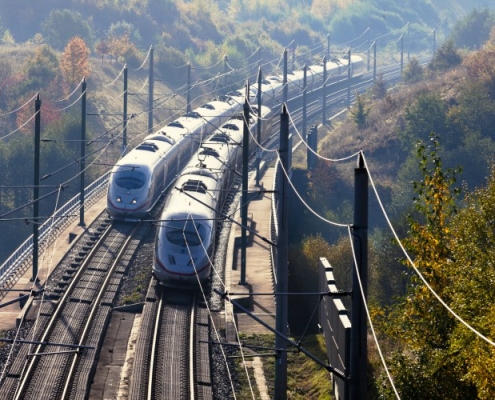
Jeff Davis2016-03-17 15:56:302023-04-14 14:33:51Rail & Transit Safety Rules, TIFIA and HSR Availability Notices Released by USDOTRailroads have been a vital presence in American transportation for nearly 200 years moving both passengers and freight efficiently and effectively. Freight railroads in the United States are mostly owned by private companies, who maintain and operate their own networks. Passenger systems, whether through Amtrak or various commuter railroads, require public assistance and either operate on their own track or pay to use freight railroad-owned track.
https://enotrans.org/wp-content/uploads/2023/02/iStock_000022183335_Large-1-e1458236494708.jpg
500
750
Jeff Davis
https://enotrans.org/wp-content/uploads/2022/12/Eno-Logo-2.png
Jeff Davis2016-03-17 15:56:302023-04-14 14:33:51Rail & Transit Safety Rules, TIFIA and HSR Availability Notices Released by USDOT https://enotrans.org/wp-content/uploads/2023/02/28214398-e1447710304614.jpg
333
500
Emily Han
https://enotrans.org/wp-content/uploads/2022/12/Eno-Logo-2.png
Emily Han2016-03-11 20:42:302023-04-14 14:36:04New WMATA Chief Outlines Plans for DC Metro’s Future
https://enotrans.org/wp-content/uploads/2023/02/28214398-e1447710304614.jpg
333
500
Emily Han
https://enotrans.org/wp-content/uploads/2022/12/Eno-Logo-2.png
Emily Han2016-03-11 20:42:302023-04-14 14:36:04New WMATA Chief Outlines Plans for DC Metro’s Future https://enotrans.org/wp-content/uploads/2023/02/1991-STAA-Bill-pdf.jpg
1408
1088
ENO CENTER FOR TRANSPORTATION
https://enotrans.org/wp-content/uploads/2022/12/Eno-Logo-2.png
ENO CENTER FOR TRANSPORTATION2016-03-09 19:45:152023-04-28 14:10:511991 ISTEA – Legislative Text of Administration Proposal
https://enotrans.org/wp-content/uploads/2023/02/1991-STAA-Bill-pdf.jpg
1408
1088
ENO CENTER FOR TRANSPORTATION
https://enotrans.org/wp-content/uploads/2022/12/Eno-Logo-2.png
ENO CENTER FOR TRANSPORTATION2016-03-09 19:45:152023-04-28 14:10:511991 ISTEA – Legislative Text of Administration Proposal https://enotrans.org/wp-content/uploads/2022/12/Eno-Logo-2.png
0
0
ENO CENTER FOR TRANSPORTATION
https://enotrans.org/wp-content/uploads/2022/12/Eno-Logo-2.png
ENO CENTER FOR TRANSPORTATION2016-03-08 19:55:242023-04-28 14:10:51FAST Act Reference Page
https://enotrans.org/wp-content/uploads/2022/12/Eno-Logo-2.png
0
0
Jeff Davis
https://enotrans.org/wp-content/uploads/2022/12/Eno-Logo-2.png
Jeff Davis2016-02-29 03:46:082023-04-14 14:39:19Capitol Hill Events – Week of Feb. 29, 2016
https://enotrans.org/wp-content/uploads/2022/12/Eno-Logo-2.png
0
0
ENO CENTER FOR TRANSPORTATION
https://enotrans.org/wp-content/uploads/2022/12/Eno-Logo-2.png
ENO CENTER FOR TRANSPORTATION2016-03-08 19:55:242023-04-28 14:10:51FAST Act Reference Page
https://enotrans.org/wp-content/uploads/2022/12/Eno-Logo-2.png
0
0
Jeff Davis
https://enotrans.org/wp-content/uploads/2022/12/Eno-Logo-2.png
Jeff Davis2016-02-29 03:46:082023-04-14 14:39:19Capitol Hill Events – Week of Feb. 29, 2016 https://enotrans.org/wp-content/uploads/2023/02/1966-02-02-Boyd-to-White-regulatory-ideas-pdf.jpg
4267
3214
ENO CENTER FOR TRANSPORTATION
https://enotrans.org/wp-content/uploads/2022/12/Eno-Logo-2.png
ENO CENTER FOR TRANSPORTATION2016-02-29 01:30:292023-04-28 14:10:501966 Boyd Proposal for Transportation Regulatory Reform
https://enotrans.org/wp-content/uploads/2022/12/Eno-Logo-2.png
0
0
ENO CENTER FOR TRANSPORTATION
https://enotrans.org/wp-content/uploads/2022/12/Eno-Logo-2.png
ENO CENTER FOR TRANSPORTATION2016-02-28 19:40:262023-04-28 14:10:461937 Report of the Senate Select Committee to Investigate the Executive Agencies of the Government (No. 12)
https://enotrans.org/wp-content/uploads/2023/02/1966-02-02-Boyd-to-White-regulatory-ideas-pdf.jpg
4267
3214
ENO CENTER FOR TRANSPORTATION
https://enotrans.org/wp-content/uploads/2022/12/Eno-Logo-2.png
ENO CENTER FOR TRANSPORTATION2016-02-29 01:30:292023-04-28 14:10:501966 Boyd Proposal for Transportation Regulatory Reform
https://enotrans.org/wp-content/uploads/2022/12/Eno-Logo-2.png
0
0
ENO CENTER FOR TRANSPORTATION
https://enotrans.org/wp-content/uploads/2022/12/Eno-Logo-2.png
ENO CENTER FOR TRANSPORTATION2016-02-28 19:40:262023-04-28 14:10:461937 Report of the Senate Select Committee to Investigate the Executive Agencies of the Government (No. 12)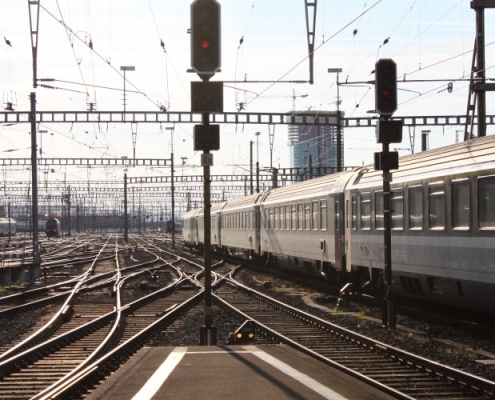 https://enotrans.org/wp-content/uploads/2023/02/TrainTracks-1-e1454683918389.jpg
500
750
Emily Han
https://enotrans.org/wp-content/uploads/2022/12/Eno-Logo-2.png
Emily Han2016-02-25 20:47:312023-04-14 14:39:21Senate Commerce Hearing Examines Amtrak’s National Network
https://enotrans.org/wp-content/uploads/2023/02/TrainTracks-1-e1454683918389.jpg
500
750
Emily Han
https://enotrans.org/wp-content/uploads/2022/12/Eno-Logo-2.png
Emily Han2016-02-25 20:47:312023-04-14 14:39:21Senate Commerce Hearing Examines Amtrak’s National Network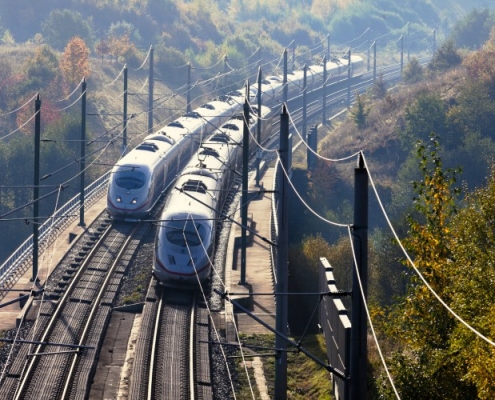 https://enotrans.org/wp-content/uploads/2023/02/iStock_000022183335_Large-e1456416246518.jpg
500
750
Jeff Davis
https://enotrans.org/wp-content/uploads/2022/12/Eno-Logo-2.png
Jeff Davis2016-02-25 14:09:402023-06-28 06:54:56California High-Speed Rail Project Changes Direction, Wants $5.2B RRIF Loan
https://enotrans.org/wp-content/uploads/2023/02/iStock_000022183335_Large-e1456416246518.jpg
500
750
Jeff Davis
https://enotrans.org/wp-content/uploads/2022/12/Eno-Logo-2.png
Jeff Davis2016-02-25 14:09:402023-06-28 06:54:56California High-Speed Rail Project Changes Direction, Wants $5.2B RRIF Loan https://enotrans.org/wp-content/uploads/2023/02/iStock_000006612613_Large-1-e1456416731307.jpg
499
750
Jeff Davis
https://enotrans.org/wp-content/uploads/2022/12/Eno-Logo-2.png
Jeff Davis2016-02-25 13:33:532023-06-28 06:54:57Amtrak’s FY17 Budget Request Differs From the White House’s Plan
https://enotrans.org/wp-content/uploads/2023/02/jeff-gonneville-8745-5x7_10758358-e1732229559934.jpg
360
257
Ann Henebery
https://enotrans.org/wp-content/uploads/2022/12/Eno-Logo-2.png
Ann Henebery2016-02-18 21:47:102023-04-14 14:40:57In the Spotlight: Jeff Gonneville
https://enotrans.org/wp-content/uploads/2022/12/Eno-Logo-2.png
0
0
Jeff Davis
https://enotrans.org/wp-content/uploads/2022/12/Eno-Logo-2.png
Jeff Davis2016-02-18 15:54:442023-04-14 14:34:26Capitol Hill Events – Week of February 22, 2016
https://enotrans.org/wp-content/uploads/2023/02/iStock_000006612613_Large-1-e1456416731307.jpg
499
750
Jeff Davis
https://enotrans.org/wp-content/uploads/2022/12/Eno-Logo-2.png
Jeff Davis2016-02-25 13:33:532023-06-28 06:54:57Amtrak’s FY17 Budget Request Differs From the White House’s Plan
https://enotrans.org/wp-content/uploads/2023/02/jeff-gonneville-8745-5x7_10758358-e1732229559934.jpg
360
257
Ann Henebery
https://enotrans.org/wp-content/uploads/2022/12/Eno-Logo-2.png
Ann Henebery2016-02-18 21:47:102023-04-14 14:40:57In the Spotlight: Jeff Gonneville
https://enotrans.org/wp-content/uploads/2022/12/Eno-Logo-2.png
0
0
Jeff Davis
https://enotrans.org/wp-content/uploads/2022/12/Eno-Logo-2.png
Jeff Davis2016-02-18 15:54:442023-04-14 14:34:26Capitol Hill Events – Week of February 22, 2016Safer Railroading: A Guide Toward Targeted Safety Policy
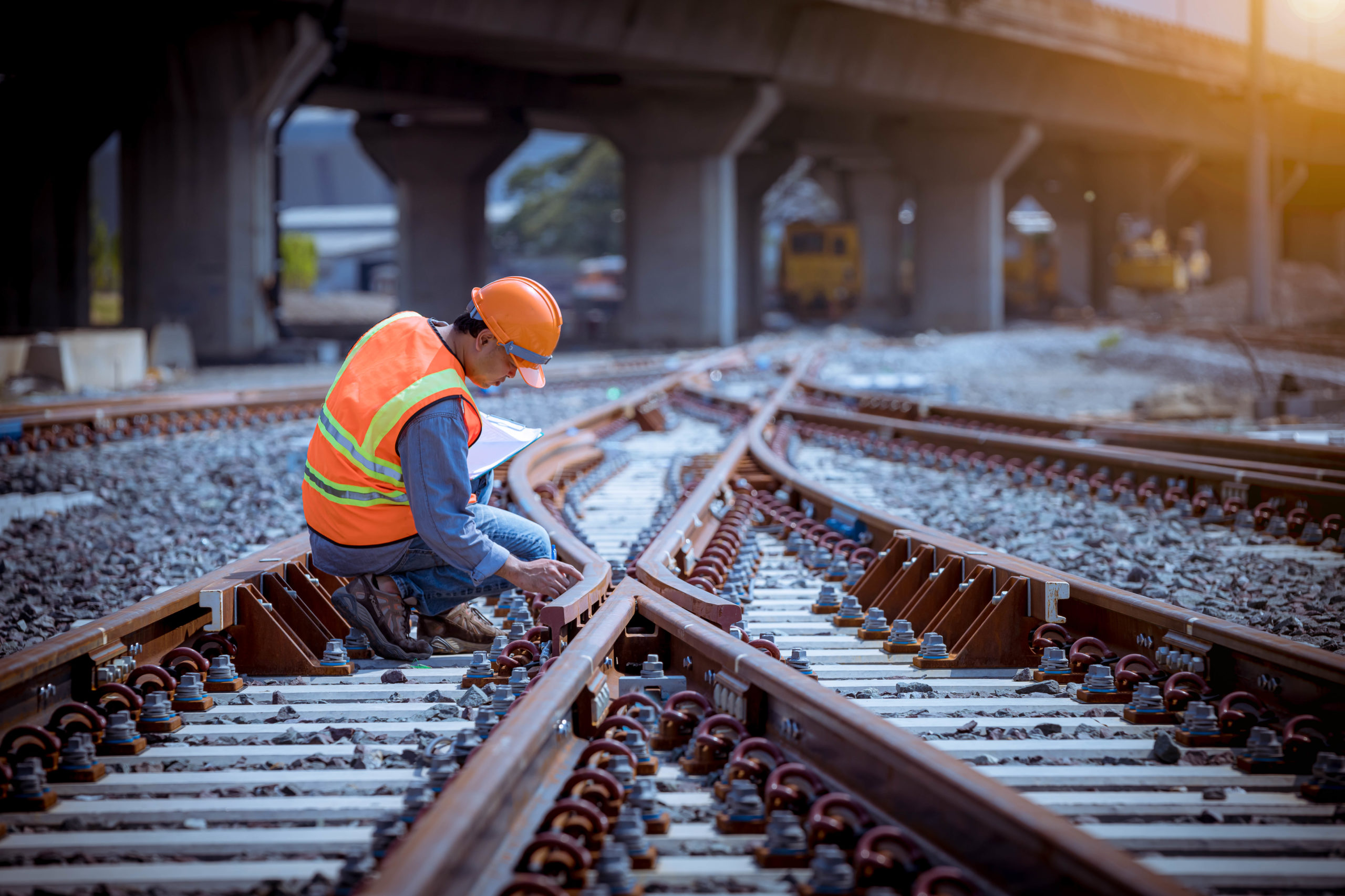
Railroads are among the safest modes of transportation for workers, riders, and the public. Strong federal standards for railroad track and operations, technological investments like positive train control, and communities’ infrastructure improvements have yielded significant gains. But most of these gains have plateaued and in some cases safety trends are moving in the wrong direction. A new strategy and framework is needed to address the most significant safety issues facing railroads. This report explores trends in railroad safety data and actionable recommendations for federal, state, local, and private sector actors to make a demonstrable improvement in railroad safety.