
 https://enotrans.org/wp-content/uploads/2023/01/metro-1772722_1280-1.jpg
853
1280
Jeff Davis
https://enotrans.org/wp-content/uploads/2022/12/Eno-Logo-2.png
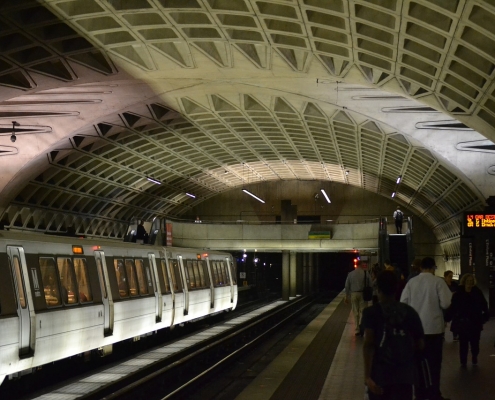
Jeff Davis2017-06-16 21:39:272023-06-27 19:21:27House Judiciary Approves WMATA Compact Changes
https://enotrans.org/wp-content/uploads/2023/01/metro-1772722_1280-1.jpg
853
1280
Jeff Davis
https://enotrans.org/wp-content/uploads/2022/12/Eno-Logo-2.png
Jeff Davis2017-06-16 21:39:272023-06-27 19:21:27House Judiciary Approves WMATA Compact ChangesRailroads have been a vital presence in American transportation for nearly 200 years moving both passengers and freight efficiently and effectively. Freight railroads in the United States are mostly owned by private companies, who maintain and operate their own networks. Passenger systems, whether through Amtrak or various commuter railroads, require public assistance and either operate on their own track or pay to use freight railroad-owned track.
https://enotrans.org/wp-content/uploads/2023/01/metro-1772722_1280-1.jpg
853
1280
Jeff Davis
https://enotrans.org/wp-content/uploads/2022/12/Eno-Logo-2.png
Jeff Davis2017-06-16 21:39:272023-06-27 19:21:27House Judiciary Approves WMATA Compact Changes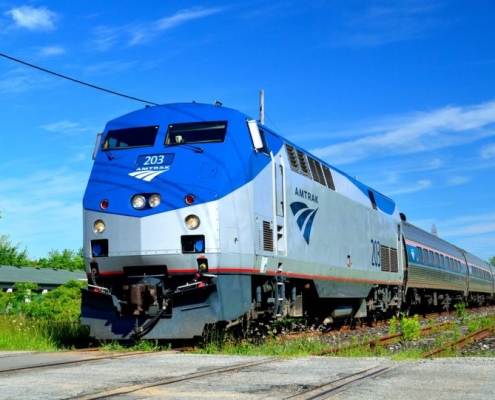 https://enotrans.org/wp-content/uploads/2022/12/Eno-Logo-2.png
0
0
Jeff Davis
https://enotrans.org/wp-content/uploads/2022/12/Eno-Logo-2.png
Jeff Davis2017-06-16 16:21:142023-04-17 10:35:47Capitol Hill Events – Week of June 19, 2017
https://enotrans.org/wp-content/uploads/2022/12/Eno-Logo-2.png
0
0
Jeff Davis
https://enotrans.org/wp-content/uploads/2022/12/Eno-Logo-2.png
Jeff Davis2017-06-16 16:21:142023-04-17 10:35:47Capitol Hill Events – Week of June 19, 2017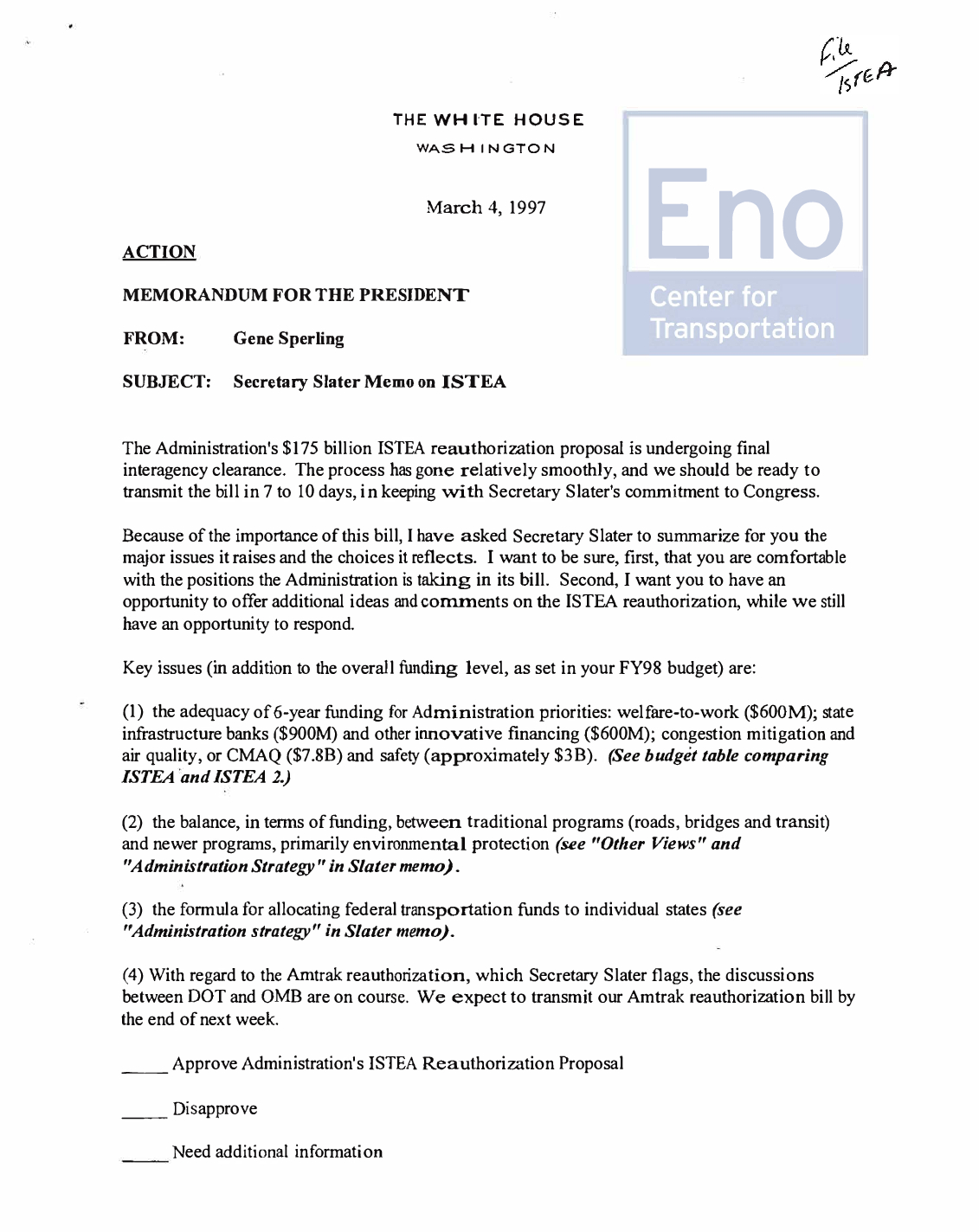 https://enotrans.org/wp-content/uploads/2023/02/1997-02-24-Slater-to-Clinton-NEXTEA-clearance-memo-pdf.jpg
1424
1131
ENO CENTER FOR TRANSPORTATION
https://enotrans.org/wp-content/uploads/2022/12/Eno-Logo-2.png
ENO CENTER FOR TRANSPORTATION2017-06-13 14:21:092023-04-28 14:11:571997 NEXTEA Clearance Letter from Sec. Slater to President Clinton
https://enotrans.org/wp-content/uploads/2023/02/1997-02-24-Slater-to-Clinton-NEXTEA-clearance-memo-pdf.jpg
1424
1131
ENO CENTER FOR TRANSPORTATION
https://enotrans.org/wp-content/uploads/2022/12/Eno-Logo-2.png
ENO CENTER FOR TRANSPORTATION2017-06-13 14:21:092023-04-28 14:11:571997 NEXTEA Clearance Letter from Sec. Slater to President Clinton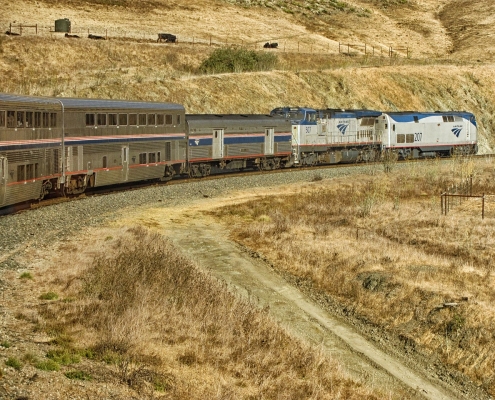 https://enotrans.org/wp-content/uploads/2023/01/train-166052_1280.jpg
960
1280
Jeff Davis
https://enotrans.org/wp-content/uploads/2022/12/Eno-Logo-2.png
Jeff Davis2017-06-09 22:38:582023-06-27 19:21:29Amtrak Submits $1.6 Billion FY 2018 Budget Request, Asks for Advance Appropriations Through FY 2020
https://enotrans.org/wp-content/uploads/2023/01/train-166052_1280.jpg
960
1280
Jeff Davis
https://enotrans.org/wp-content/uploads/2022/12/Eno-Logo-2.png
Jeff Davis2017-06-09 22:38:582023-06-27 19:21:29Amtrak Submits $1.6 Billion FY 2018 Budget Request, Asks for Advance Appropriations Through FY 2020 https://enotrans.org/wp-content/uploads/2023/01/oldtimer-1245746_1280-e1496937290816.jpg
500
750
William Leimenstoll
https://enotrans.org/wp-content/uploads/2022/12/Eno-Logo-2.png
William Leimenstoll2017-06-08 15:56:102023-06-27 19:21:30An “Unprecedented Mobility Revolution?” We’ve Been Here Before
https://enotrans.org/wp-content/uploads/2023/01/oldtimer-1245746_1280-e1496937290816.jpg
500
750
William Leimenstoll
https://enotrans.org/wp-content/uploads/2022/12/Eno-Logo-2.png
William Leimenstoll2017-06-08 15:56:102023-06-27 19:21:30An “Unprecedented Mobility Revolution?” We’ve Been Here Before https://enotrans.org/wp-content/uploads/2023/01/Screen-Shot-2017-06-01-at-2.49.36-PM.png
599
598
Robert Puentes
https://enotrans.org/wp-content/uploads/2022/12/Eno-Logo-2.png
Robert Puentes2017-06-01 19:01:122023-06-27 19:27:37Ghosts of Transit Past: What Can We Do About Declining Transit Ridership?
https://enotrans.org/wp-content/uploads/2023/01/Screen-Shot-2017-06-01-at-2.49.36-PM.png
599
598
Robert Puentes
https://enotrans.org/wp-content/uploads/2022/12/Eno-Logo-2.png
Robert Puentes2017-06-01 19:01:122023-06-27 19:27:37Ghosts of Transit Past: What Can We Do About Declining Transit Ridership? https://enotrans.org/wp-content/uploads/2023/01/Screen-Shot-2017-06-01-at-2.47.24-PM.png
450
600
Greg Rogers
https://enotrans.org/wp-content/uploads/2022/12/Eno-Logo-2.png
Greg Rogers2017-06-01 19:00:342023-06-27 19:21:33USDOT Awards $197m in Positive Train Control Grants
https://enotrans.org/wp-content/uploads/2023/01/Screen-Shot-2017-06-01-at-2.47.24-PM.png
450
600
Greg Rogers
https://enotrans.org/wp-content/uploads/2022/12/Eno-Logo-2.png
Greg Rogers2017-06-01 19:00:342023-06-27 19:21:33USDOT Awards $197m in Positive Train Control Grants https://enotrans.org/wp-content/uploads/2023/01/train-1977197_1280-e1495717901683.jpg
563
751
Jeff Davis
https://enotrans.org/wp-content/uploads/2022/12/Eno-Logo-2.png
Jeff Davis2017-05-25 13:12:132023-06-27 19:21:37Administration Proposes Amtrak, Other Rail Grant Cuts
https://enotrans.org/wp-content/uploads/2023/01/train-1977197_1280-e1495717901683.jpg
563
751
Jeff Davis
https://enotrans.org/wp-content/uploads/2022/12/Eno-Logo-2.png
Jeff Davis2017-05-25 13:12:132023-06-27 19:21:37Administration Proposes Amtrak, Other Rail Grant Cuts https://enotrans.org/wp-content/uploads/2023/01/money-2152843_1280-e1495222565264.jpg
532
750
Jeff Davis
https://enotrans.org/wp-content/uploads/2022/12/Eno-Logo-2.png
Jeff Davis2017-05-23 20:20:532023-06-27 19:21:40White House Releases Full FY18 Budget Request
https://enotrans.org/wp-content/uploads/2023/01/money-2152843_1280-e1495222565264.jpg
532
750
Jeff Davis
https://enotrans.org/wp-content/uploads/2022/12/Eno-Logo-2.png
Jeff Davis2017-05-23 20:20:532023-06-27 19:21:40White House Releases Full FY18 Budget Request https://enotrans.org/wp-content/uploads/2023/01/FY17-DOT-Omni-Big-Five.png
369
900
Jeff Davis
https://enotrans.org/wp-content/uploads/2022/12/Eno-Logo-2.png
Jeff Davis2017-05-01 09:03:312023-06-27 19:21:50Omnibus FY17 Appropriations Package Released
https://enotrans.org/wp-content/uploads/2022/12/Eno-Logo-2.png
0
0
Jeff Davis
https://enotrans.org/wp-content/uploads/2022/12/Eno-Logo-2.png
Jeff Davis2017-04-23 23:21:092023-04-17 09:28:13Capitol Hill Events – Week of April 24, 2017
https://enotrans.org/wp-content/uploads/2023/01/regulated-routes-e1492113835559.jpg
541
750
Jeff Davis
https://enotrans.org/wp-content/uploads/2022/12/Eno-Logo-2.png
Jeff Davis2017-04-14 15:31:262023-06-27 19:21:53Trump Budget Battles the Legacy of Regulated Routes
https://enotrans.org/wp-content/uploads/2023/01/FY17-DOT-Omni-Big-Five.png
369
900
Jeff Davis
https://enotrans.org/wp-content/uploads/2022/12/Eno-Logo-2.png
Jeff Davis2017-05-01 09:03:312023-06-27 19:21:50Omnibus FY17 Appropriations Package Released
https://enotrans.org/wp-content/uploads/2022/12/Eno-Logo-2.png
0
0
Jeff Davis
https://enotrans.org/wp-content/uploads/2022/12/Eno-Logo-2.png
Jeff Davis2017-04-23 23:21:092023-04-17 09:28:13Capitol Hill Events – Week of April 24, 2017
https://enotrans.org/wp-content/uploads/2023/01/regulated-routes-e1492113835559.jpg
541
750
Jeff Davis
https://enotrans.org/wp-content/uploads/2022/12/Eno-Logo-2.png
Jeff Davis2017-04-14 15:31:262023-06-27 19:21:53Trump Budget Battles the Legacy of Regulated RoutesSafer Railroading: A Guide Toward Targeted Safety Policy

Railroads are among the safest modes of transportation for workers, riders, and the public. Strong federal standards for railroad track and operations, technological investments like positive train control, and communities’ infrastructure improvements have yielded significant gains. But most of these gains have plateaued and in some cases safety trends are moving in the wrong direction. A new strategy and framework is needed to address the most significant safety issues facing railroads. This report explores trends in railroad safety data and actionable recommendations for federal, state, local, and private sector actors to make a demonstrable improvement in railroad safety.