
 https://enotrans.org/wp-content/uploads/2023/04/mika-baumeister-uz_T7h8ds04-unsplash-scaled-1.jpg
1698
2560
Jeff Davis
https://enotrans.org/wp-content/uploads/2022/12/Eno-Logo-2.png
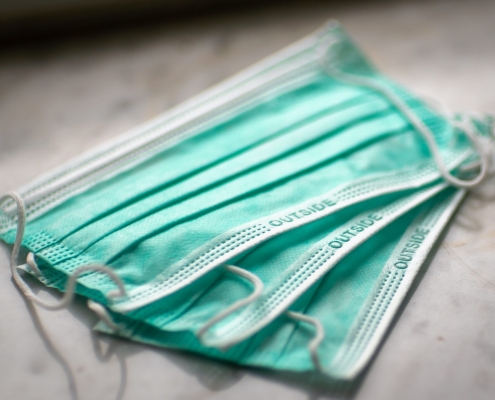
Jeff Davis2020-05-15 15:00:042023-04-17 07:04:38House Bill Mandates Mask Use on Airlines, Transit, Amtrak
https://enotrans.org/wp-content/uploads/2023/04/mika-baumeister-uz_T7h8ds04-unsplash-scaled-1.jpg
1698
2560
Jeff Davis
https://enotrans.org/wp-content/uploads/2022/12/Eno-Logo-2.png
Jeff Davis2020-05-15 15:00:042023-04-17 07:04:38House Bill Mandates Mask Use on Airlines, Transit, AmtrakRailroads have been a vital presence in American transportation for nearly 200 years moving both passengers and freight efficiently and effectively. Freight railroads in the United States are mostly owned by private companies, who maintain and operate their own networks. Passenger systems, whether through Amtrak or various commuter railroads, require public assistance and either operate on their own track or pay to use freight railroad-owned track.
https://enotrans.org/wp-content/uploads/2023/04/mika-baumeister-uz_T7h8ds04-unsplash-scaled-1.jpg
1698
2560
Jeff Davis
https://enotrans.org/wp-content/uploads/2022/12/Eno-Logo-2.png
Jeff Davis2020-05-15 15:00:042023-04-17 07:04:38House Bill Mandates Mask Use on Airlines, Transit, Amtrak https://enotrans.org/wp-content/uploads/2023/02/Food-Supply-Webinar-Copy.png
853
2559
Madeline Gorman
https://enotrans.org/wp-content/uploads/2022/12/Eno-Logo-2.png
Madeline Gorman2020-05-14 15:46:522023-02-15 11:55:16Webinar: How Disruptions to Our Transportation System Can Impact Food Supply
https://enotrans.org/wp-content/uploads/2023/02/Food-Supply-Webinar-Copy.png
853
2559
Madeline Gorman
https://enotrans.org/wp-content/uploads/2022/12/Eno-Logo-2.png
Madeline Gorman2020-05-14 15:46:522023-02-15 11:55:16Webinar: How Disruptions to Our Transportation System Can Impact Food Supply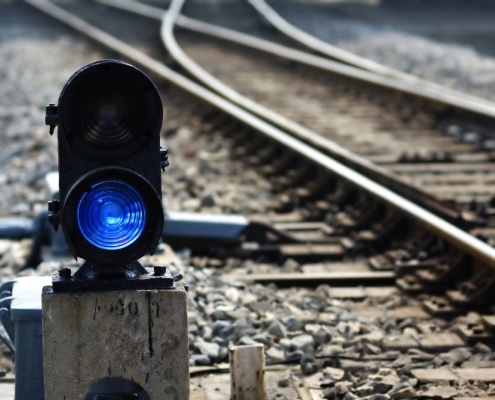 https://enotrans.org/wp-content/uploads/2023/01/train-light-2.jpg
665
1000
Paul Lewis
https://enotrans.org/wp-content/uploads/2022/12/Eno-Logo-2.png
Paul Lewis2020-05-01 17:56:112023-04-17 07:09:46COVID-19 Makes Meeting PTC Deadline Challenging, But Not Impossible
https://enotrans.org/wp-content/uploads/2023/01/train-light-2.jpg
665
1000
Paul Lewis
https://enotrans.org/wp-content/uploads/2022/12/Eno-Logo-2.png
Paul Lewis2020-05-01 17:56:112023-04-17 07:09:46COVID-19 Makes Meeting PTC Deadline Challenging, But Not Impossible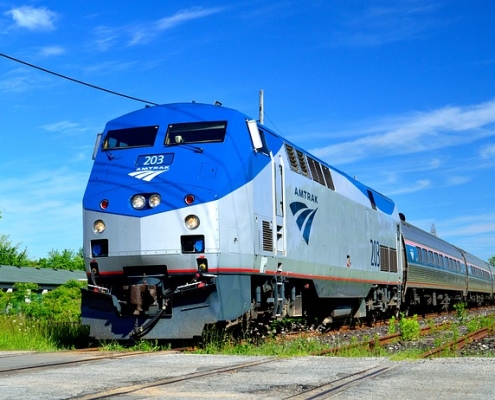 https://enotrans.org/wp-content/uploads/2023/02/amtrak-363669_640-1.jpg
462
640
Jeff Davis
https://enotrans.org/wp-content/uploads/2022/12/Eno-Logo-2.png
Jeff Davis2020-04-02 17:56:192023-04-17 07:25:58FRA and Amtrak Propose Metrics for Passenger Train Delays. Again.
https://enotrans.org/wp-content/uploads/2023/02/amtrak-363669_640-1.jpg
462
640
Jeff Davis
https://enotrans.org/wp-content/uploads/2022/12/Eno-Logo-2.png
Jeff Davis2020-04-02 17:56:192023-04-17 07:25:58FRA and Amtrak Propose Metrics for Passenger Train Delays. Again. https://enotrans.org/wp-content/uploads/2023/02/us-capitol-1273914_1280-e1473883102281.jpg
563
750
Jeff Davis
https://enotrans.org/wp-content/uploads/2022/12/Eno-Logo-2.png
Jeff Davis2020-04-01 19:35:472023-06-27 18:14:50House Democrats Seek to Move Previously Planned $760 Billion Infrastructure Bill As Next Response to Coronavirus
https://enotrans.org/wp-content/uploads/2023/02/us-capitol-1273914_1280-e1473883102281.jpg
563
750
Jeff Davis
https://enotrans.org/wp-content/uploads/2022/12/Eno-Logo-2.png
Jeff Davis2020-04-01 19:35:472023-06-27 18:14:50House Democrats Seek to Move Previously Planned $760 Billion Infrastructure Bill As Next Response to Coronavirus https://enotrans.org/wp-content/uploads/2023/02/Amtrak-Heritage-Portland.jpg
1151
2048
Jeff Davis
https://enotrans.org/wp-content/uploads/2022/12/Eno-Logo-2.png
Jeff Davis2020-03-27 13:38:102023-04-17 07:27:00The “CV3” Bill’s $1 Billion for Amtrak – How Would It Work?
https://enotrans.org/wp-content/uploads/2023/02/Amtrak-Heritage-Portland.jpg
1151
2048
Jeff Davis
https://enotrans.org/wp-content/uploads/2022/12/Eno-Logo-2.png
Jeff Davis2020-03-27 13:38:102023-04-17 07:27:00The “CV3” Bill’s $1 Billion for Amtrak – How Would It Work? https://enotrans.org/wp-content/uploads/2022/12/money-1-5-scaled.jpg
1600
2560
Jeff Davis
https://enotrans.org/wp-content/uploads/2022/12/Eno-Logo-2.png
Jeff Davis2020-03-25 20:14:472023-06-27 18:14:51Final Version of $2 Trillion COVID Response Bill Has $114 Billion for Transportation
https://enotrans.org/wp-content/uploads/2022/12/money-1-5-scaled.jpg
1600
2560
Jeff Davis
https://enotrans.org/wp-content/uploads/2022/12/Eno-Logo-2.png
Jeff Davis2020-03-25 20:14:472023-06-27 18:14:51Final Version of $2 Trillion COVID Response Bill Has $114 Billion for Transportation https://enotrans.org/wp-content/uploads/2023/01/us-capitol.jpg
517
800
Madeline Gorman
https://enotrans.org/wp-content/uploads/2022/12/Eno-Logo-2.png
Madeline Gorman2020-03-24 20:02:162023-02-15 12:08:21Rapid Response Webinar: The Coronavirus Relief Package & Transportation
https://enotrans.org/wp-content/uploads/2023/01/us-capitol.jpg
517
800
Madeline Gorman
https://enotrans.org/wp-content/uploads/2022/12/Eno-Logo-2.png
Madeline Gorman2020-03-24 20:02:162023-02-15 12:08:21Rapid Response Webinar: The Coronavirus Relief Package & Transportation https://enotrans.org/wp-content/uploads/2023/02/Senate-CV3-Bill-March-22-morning-version-pdf.jpg
1408
1088
Jeff Davis
https://enotrans.org/wp-content/uploads/2022/12/Eno-Logo-2.png
Jeff Davis2020-03-24 18:05:032023-04-28 14:15:07Senate Coronavirus Response Bill – March 22 a.m. Version
https://enotrans.org/wp-content/uploads/2023/02/Senate-CV3-Bill-March-22-morning-version-pdf.jpg
1408
1088
Jeff Davis
https://enotrans.org/wp-content/uploads/2022/12/Eno-Logo-2.png
Jeff Davis2020-03-24 18:05:032023-04-28 14:15:07Senate Coronavirus Response Bill – March 22 a.m. Version https://enotrans.org/wp-content/uploads/2023/02/iStock-183284479-e1508331299659.jpg
499
750
Jeff Davis
https://enotrans.org/wp-content/uploads/2022/12/Eno-Logo-2.png
Jeff Davis2020-03-23 20:46:352023-06-27 18:14:52Senate COVID Bill Stalled; House Plan Would More than Double USDOT Appropriations
https://enotrans.org/wp-content/uploads/2023/02/iStock-183284479-e1508331299659.jpg
499
750
Jeff Davis
https://enotrans.org/wp-content/uploads/2022/12/Eno-Logo-2.png
Jeff Davis2020-03-23 20:46:352023-06-27 18:14:52Senate COVID Bill Stalled; House Plan Would More than Double USDOT Appropriations https://enotrans.org/wp-content/uploads/2023/02/money-2173148_1280-e1495718384908-15.jpg
500
750
Jeff Davis
https://enotrans.org/wp-content/uploads/2022/12/Eno-Logo-2.png
Jeff Davis2020-03-22 16:18:342023-06-27 18:14:52Revised Coronavirus Bill Includes $20 Billion for Mass Transit, $10 Billion for Airports, $58 Billion in Loans for Airlines
https://enotrans.org/wp-content/uploads/2023/02/money-2173148_1280-e1495718384908-15.jpg
500
750
Jeff Davis
https://enotrans.org/wp-content/uploads/2022/12/Eno-Logo-2.png
Jeff Davis2020-03-12 20:23:202023-04-17 07:29:17USDOT Gives Out $248M in FY19 CRISI Rail Grants
https://enotrans.org/wp-content/uploads/2023/02/money-2173148_1280-e1495718384908-15.jpg
500
750
Jeff Davis
https://enotrans.org/wp-content/uploads/2022/12/Eno-Logo-2.png
Jeff Davis2020-03-22 16:18:342023-06-27 18:14:52Revised Coronavirus Bill Includes $20 Billion for Mass Transit, $10 Billion for Airports, $58 Billion in Loans for Airlines
https://enotrans.org/wp-content/uploads/2023/02/money-2173148_1280-e1495718384908-15.jpg
500
750
Jeff Davis
https://enotrans.org/wp-content/uploads/2022/12/Eno-Logo-2.png
Jeff Davis2020-03-12 20:23:202023-04-17 07:29:17USDOT Gives Out $248M in FY19 CRISI Rail GrantsSafer Railroading: A Guide Toward Targeted Safety Policy
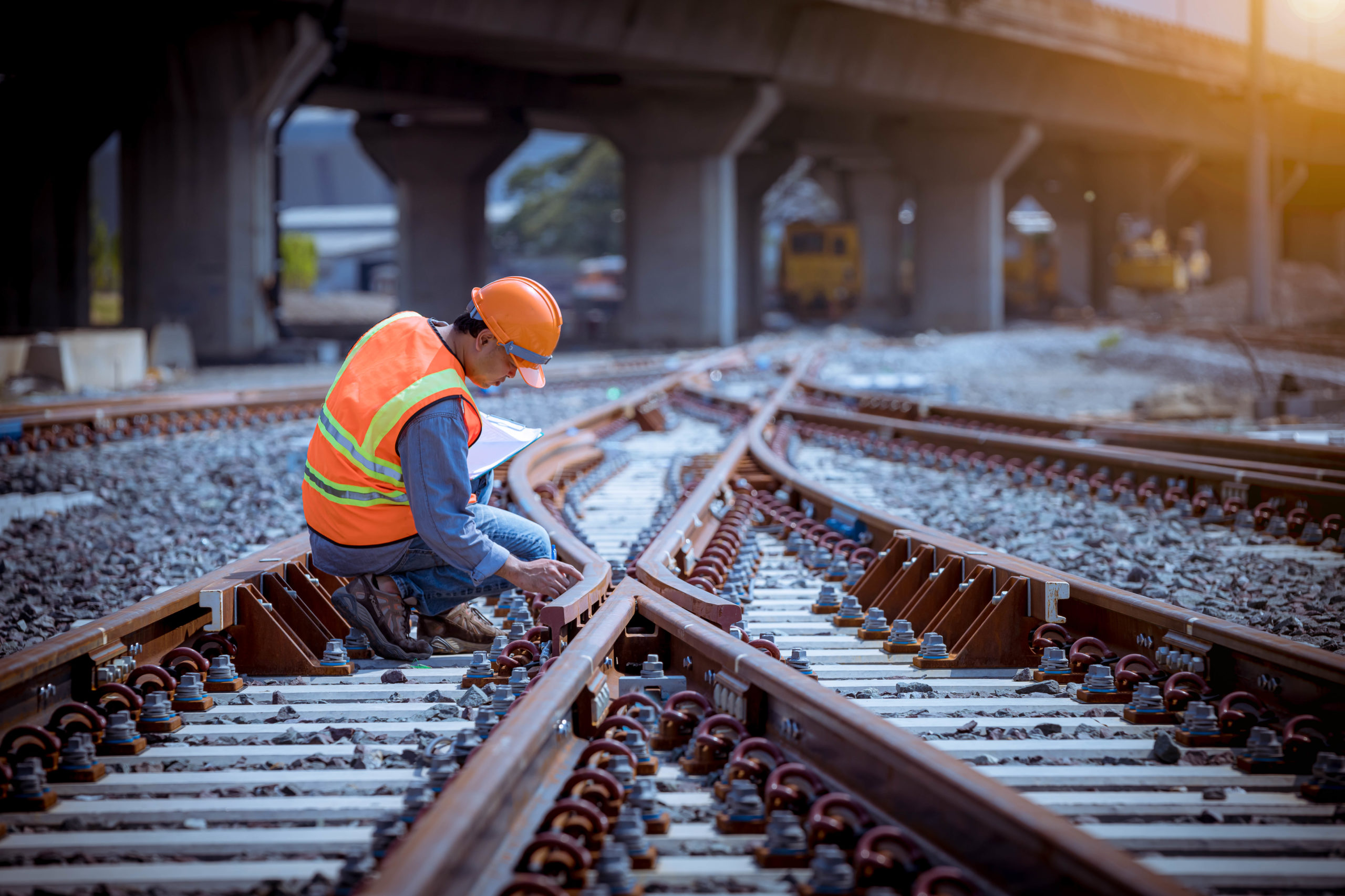
Railroads are among the safest modes of transportation for workers, riders, and the public. Strong federal standards for railroad track and operations, technological investments like positive train control, and communities’ infrastructure improvements have yielded significant gains. But most of these gains have plateaued and in some cases safety trends are moving in the wrong direction. A new strategy and framework is needed to address the most significant safety issues facing railroads. This report explores trends in railroad safety data and actionable recommendations for federal, state, local, and private sector actors to make a demonstrable improvement in railroad safety.