 https://enotrans.org/wp-content/uploads/2023/02/Joseph-Sherlock-1-scaled.jpg
2560
2535
Madeline Gorman
https://enotrans.org/wp-content/uploads/2022/12/Eno-Logo-2.png
Madeline Gorman2020-09-04 05:59:572023-06-28 05:18:26Webinar: Telework During COVID and Beyond: Leveraging Behavioral Science to Improve Virtual Work and the Future of Commuting
https://enotrans.org/wp-content/uploads/2023/02/Joseph-Sherlock-1-scaled.jpg
2560
2535
Madeline Gorman
https://enotrans.org/wp-content/uploads/2022/12/Eno-Logo-2.png
Madeline Gorman2020-09-04 05:59:572023-06-28 05:18:26Webinar: Telework During COVID and Beyond: Leveraging Behavioral Science to Improve Virtual Work and the Future of CommutingRailroads have been a vital presence in American transportation for nearly 200 years moving both passengers and freight efficiently and effectively. Freight railroads in the United States are mostly owned by private companies, who maintain and operate their own networks. Passenger systems, whether through Amtrak or various commuter railroads, require public assistance and either operate on their own track or pay to use freight railroad-owned track.
https://enotrans.org/wp-content/uploads/2023/02/Joseph-Sherlock-1-scaled.jpg
2560
2535
Madeline Gorman
https://enotrans.org/wp-content/uploads/2022/12/Eno-Logo-2.png
Madeline Gorman2020-09-04 05:59:572023-06-28 05:18:26Webinar: Telework During COVID and Beyond: Leveraging Behavioral Science to Improve Virtual Work and the Future of Commuting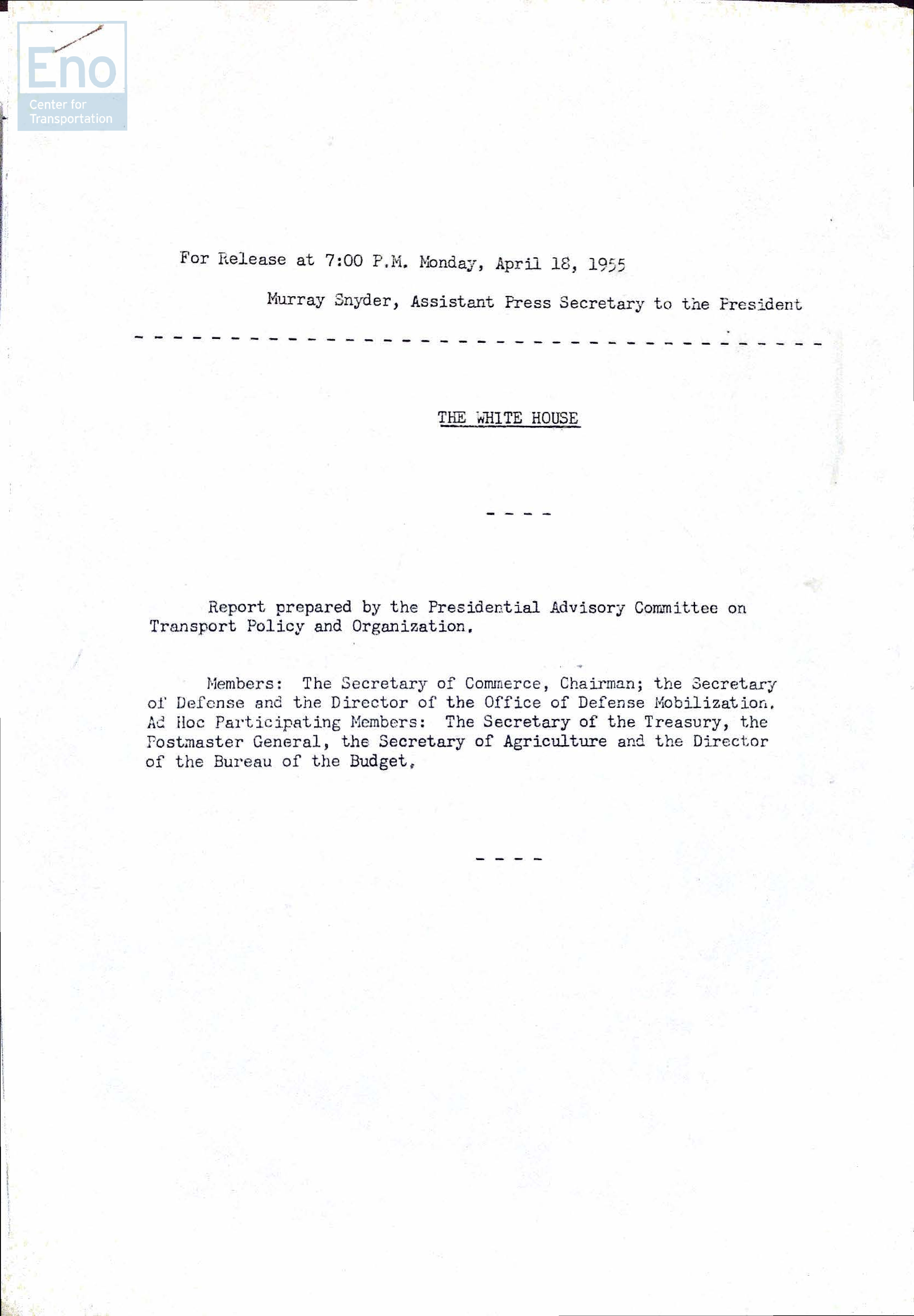 https://enotrans.org/wp-content/uploads/2023/02/1955-04-18-WH-release-of-report-of-PAC-on-Transport-Policy-and-Org-pdf.jpg
4281
2972
Jeff Davis
https://enotrans.org/wp-content/uploads/2022/12/Eno-Logo-2.png
Jeff Davis2020-08-31 13:01:292023-04-28 14:15:251955 “Weeks Report” – Revision of Federal Transportation Policy
https://enotrans.org/wp-content/uploads/2023/02/1955-04-18-WH-release-of-report-of-PAC-on-Transport-Policy-and-Org-pdf.jpg
4281
2972
Jeff Davis
https://enotrans.org/wp-content/uploads/2022/12/Eno-Logo-2.png
Jeff Davis2020-08-31 13:01:292023-04-28 14:15:251955 “Weeks Report” – Revision of Federal Transportation Policy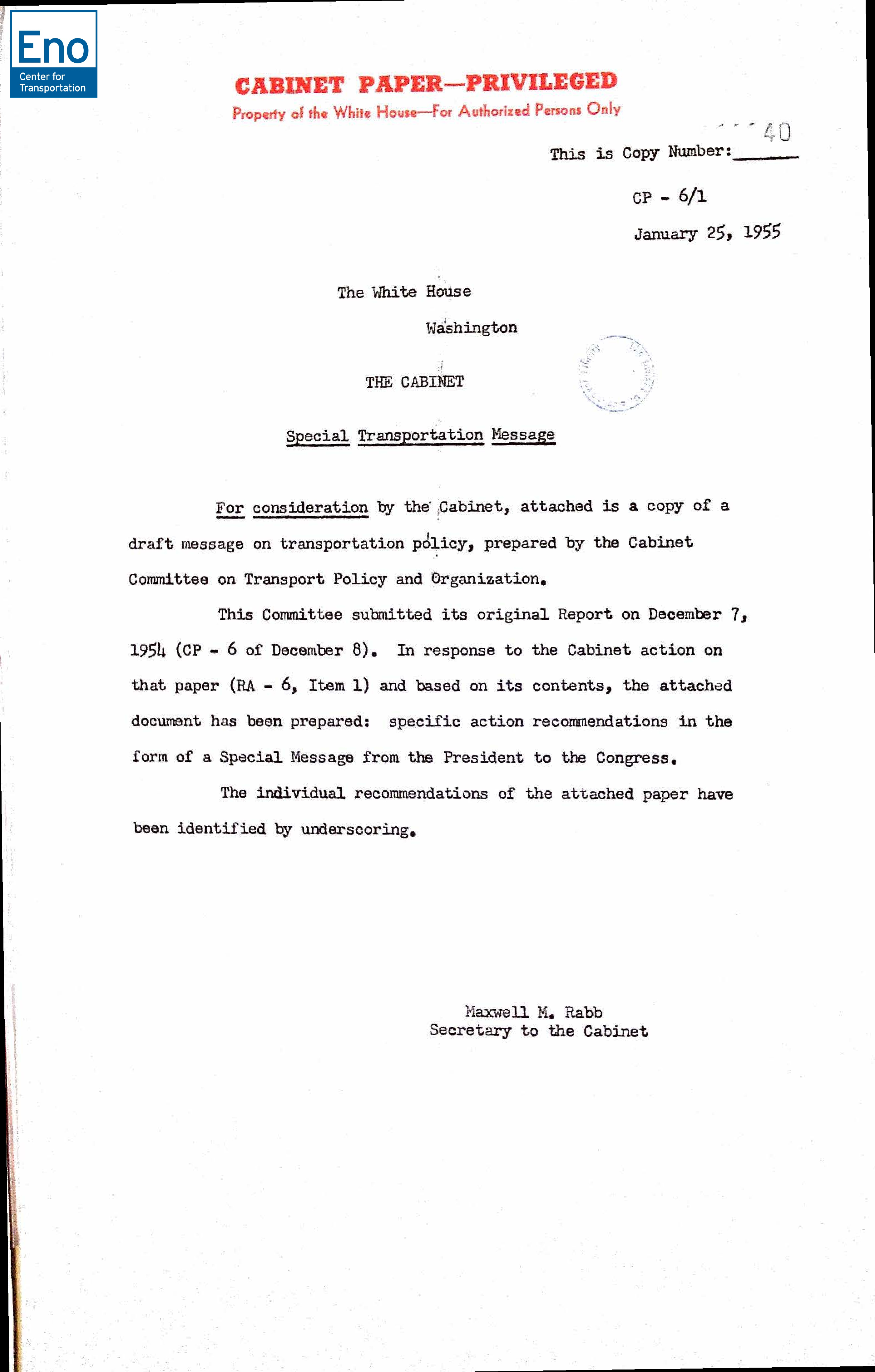 https://enotrans.org/wp-content/uploads/2023/02/1955-01-28-Cabinet-Minutes-and-Draft-Transpo-Message-pdf.jpg
4395
2802
Jeff Davis
https://enotrans.org/wp-content/uploads/2022/12/Eno-Logo-2.png
Jeff Davis2020-08-31 12:54:222023-04-28 14:15:25Cabinet Meeting of January 28, 1955
https://enotrans.org/wp-content/uploads/2023/02/1955-01-28-Cabinet-Minutes-and-Draft-Transpo-Message-pdf.jpg
4395
2802
Jeff Davis
https://enotrans.org/wp-content/uploads/2022/12/Eno-Logo-2.png
Jeff Davis2020-08-31 12:54:222023-04-28 14:15:25Cabinet Meeting of January 28, 1955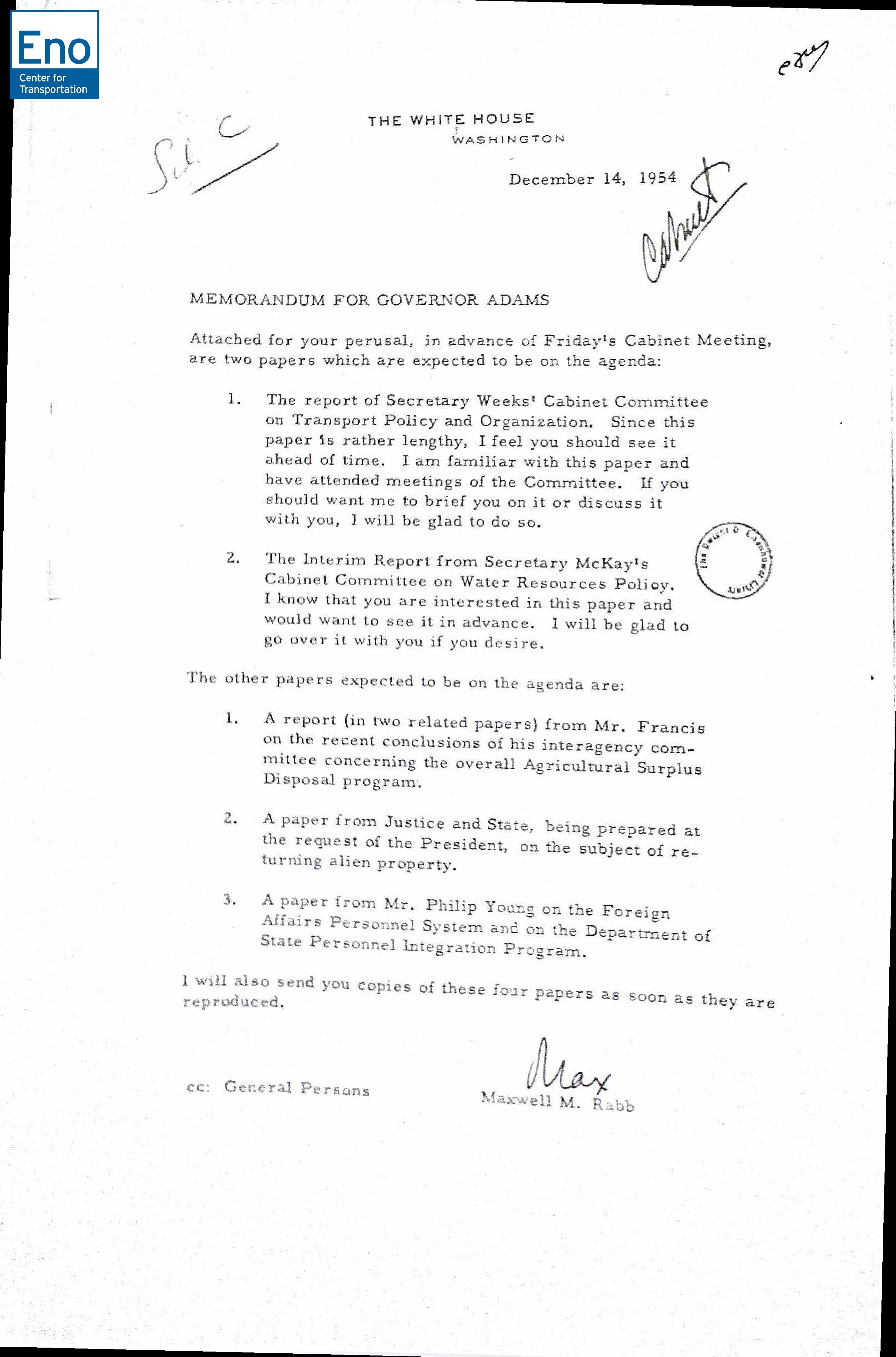 https://enotrans.org/wp-content/uploads/2023/02/1954-12-17-Cabinet-meeting-on-PACTPO-pdf.jpg
4480
2958
Jeff Davis
https://enotrans.org/wp-content/uploads/2022/12/Eno-Logo-2.png
Jeff Davis2020-08-30 21:53:572023-04-28 14:15:25December 1954 Cabinet Meeting on Railroad Policy
https://enotrans.org/wp-content/uploads/2023/02/1954-12-17-Cabinet-meeting-on-PACTPO-pdf.jpg
4480
2958
Jeff Davis
https://enotrans.org/wp-content/uploads/2022/12/Eno-Logo-2.png
Jeff Davis2020-08-30 21:53:572023-04-28 14:15:25December 1954 Cabinet Meeting on Railroad Policy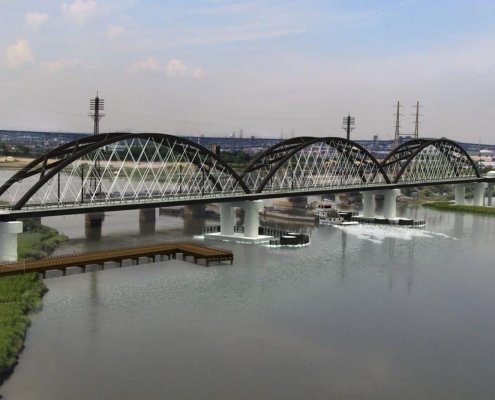 https://enotrans.org/wp-content/uploads/2023/01/portal-north-bridge.jpeg
933
1400
Jeff Davis
https://enotrans.org/wp-content/uploads/2022/12/Eno-Logo-2.png
Jeff Davis2020-08-28 16:09:082023-06-27 18:07:11FTA Allocates $248 Million to Portal North Bridge Replacement
https://enotrans.org/wp-content/uploads/2023/01/portal-north-bridge.jpeg
933
1400
Jeff Davis
https://enotrans.org/wp-content/uploads/2022/12/Eno-Logo-2.png
Jeff Davis2020-08-28 16:09:082023-06-27 18:07:11FTA Allocates $248 Million to Portal North Bridge Replacement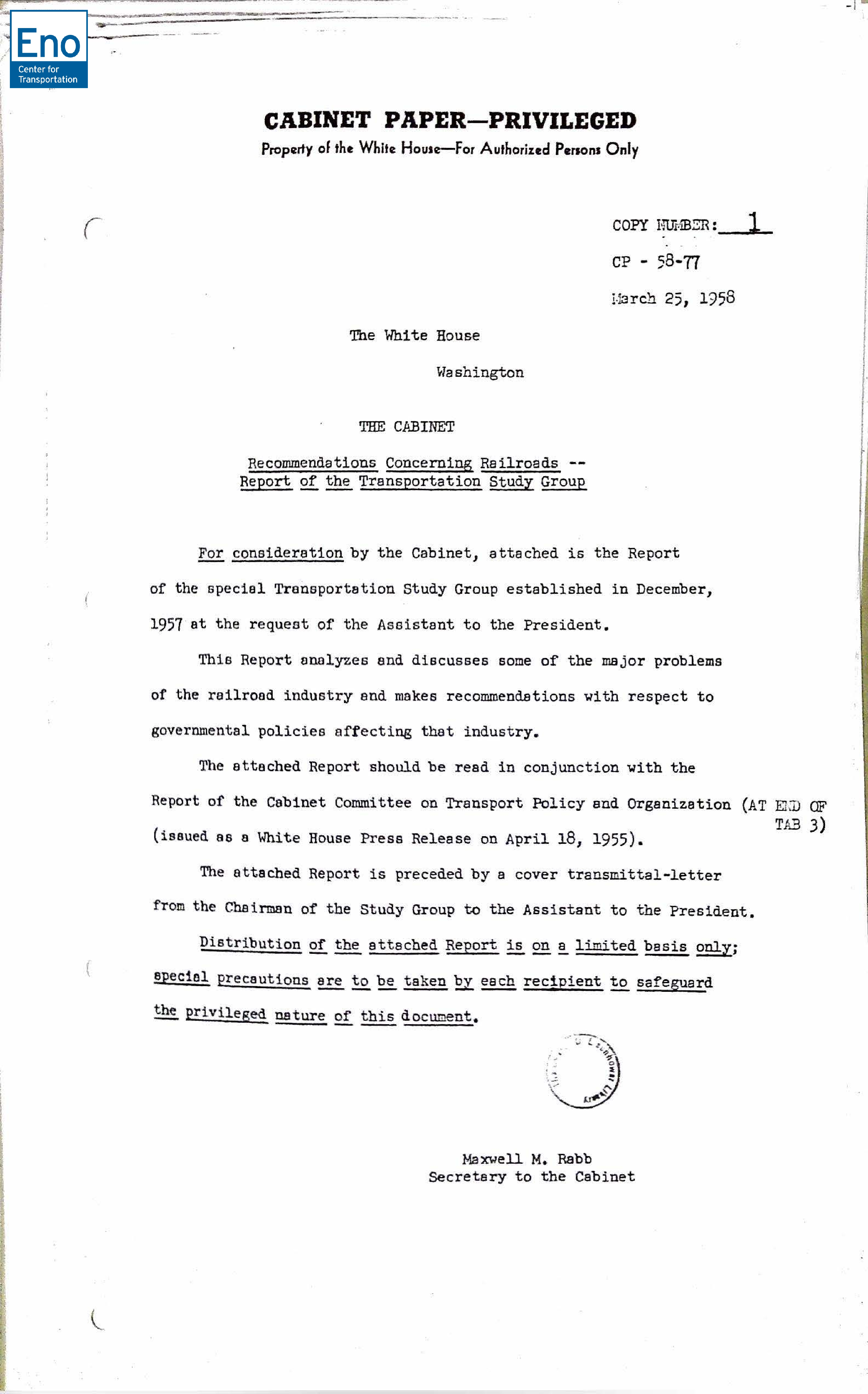 https://enotrans.org/wp-content/uploads/2023/02/1958-03-28-Cabinet-meeting-on-rail-and-follow-through-chrono-pdf.jpg
4523
2816
Jeff Davis
https://enotrans.org/wp-content/uploads/2022/12/Eno-Logo-2.png
Jeff Davis2020-08-25 02:25:492023-04-28 14:15:231958 Eisenhower Administration Statement of Railroad Policy
https://enotrans.org/wp-content/uploads/2023/02/1958-03-28-Cabinet-meeting-on-rail-and-follow-through-chrono-pdf.jpg
4523
2816
Jeff Davis
https://enotrans.org/wp-content/uploads/2022/12/Eno-Logo-2.png
Jeff Davis2020-08-25 02:25:492023-04-28 14:15:231958 Eisenhower Administration Statement of Railroad Policy https://enotrans.org/wp-content/uploads/2023/02/Kristin-Decas.jpg
297
274
Madeline Gorman
https://enotrans.org/wp-content/uploads/2022/12/Eno-Logo-2.png
Madeline Gorman2020-08-10 06:58:442023-06-28 05:31:49Webinar: Promoting Resiliency Across the Global Supply Chains
https://enotrans.org/wp-content/uploads/2023/02/Kristin-Decas.jpg
297
274
Madeline Gorman
https://enotrans.org/wp-content/uploads/2022/12/Eno-Logo-2.png
Madeline Gorman2020-08-10 06:58:442023-06-28 05:31:49Webinar: Promoting Resiliency Across the Global Supply Chains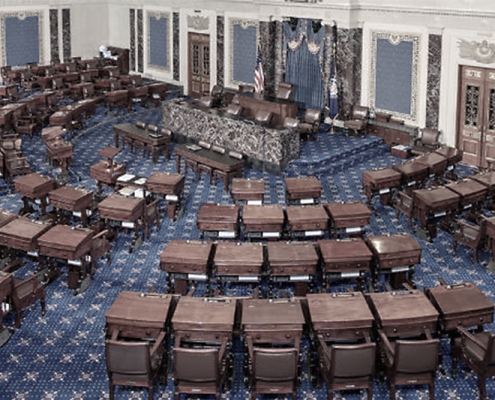 https://enotrans.org/wp-content/uploads/2023/01/senate-chamber-edited.jpg
533
800
Jeff Davis
https://enotrans.org/wp-content/uploads/2022/12/Eno-Logo-2.png
Jeff Davis2020-08-07 15:37:562023-04-14 11:10:06Senate Panel Holds Hearing on Rail Board, DOT IG Nominees
https://enotrans.org/wp-content/uploads/2023/01/senate-chamber-edited.jpg
533
800
Jeff Davis
https://enotrans.org/wp-content/uploads/2022/12/Eno-Logo-2.png
Jeff Davis2020-08-07 15:37:562023-04-14 11:10:06Senate Panel Holds Hearing on Rail Board, DOT IG Nominees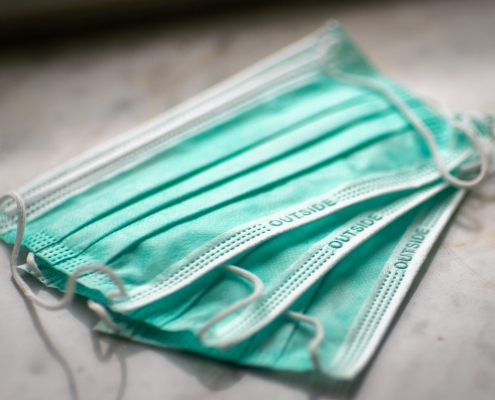 https://enotrans.org/wp-content/uploads/2023/04/mika-baumeister-uz_T7h8ds04-unsplash-scaled-2.jpg
1698
2560
Brianne Eby
https://enotrans.org/wp-content/uploads/2022/12/Eno-Logo-2.png
Brianne Eby2020-07-31 14:36:422023-04-14 11:09:52Labor Unions Ask USDOT for Mandated Passenger Face Masks
https://enotrans.org/wp-content/uploads/2023/04/mika-baumeister-uz_T7h8ds04-unsplash-scaled-2.jpg
1698
2560
Brianne Eby
https://enotrans.org/wp-content/uploads/2022/12/Eno-Logo-2.png
Brianne Eby2020-07-31 14:36:422023-04-14 11:09:52Labor Unions Ask USDOT for Mandated Passenger Face Masks https://enotrans.org/wp-content/uploads/2023/01/train-light-2.jpg
665
1000
Jeff Davis
https://enotrans.org/wp-content/uploads/2022/12/Eno-Logo-2.png
Jeff Davis2020-07-31 12:57:362023-04-14 11:09:56White House Submits Sixth Amtrak Board Nomination as Senate Prepares to Move Rail Nominees
https://enotrans.org/wp-content/uploads/2023/01/train-light-2.jpg
665
1000
Jeff Davis
https://enotrans.org/wp-content/uploads/2022/12/Eno-Logo-2.png
Jeff Davis2020-07-31 12:57:362023-04-14 11:09:56White House Submits Sixth Amtrak Board Nomination as Senate Prepares to Move Rail Nominees https://enotrans.org/wp-content/uploads/2023/02/capitol-176159_1280-e1478272577752.jpg
563
750
Jeff Davis
https://enotrans.org/wp-content/uploads/2022/12/Eno-Logo-2.png
Jeff Davis2020-07-23 23:37:382023-04-14 11:09:37Nomination News: STB May Get Full Membership, Szabat Approved by Committee
https://enotrans.org/wp-content/uploads/2023/02/capitol-176159_1280-e1478272577752.jpg
563
750
Jeff Davis
https://enotrans.org/wp-content/uploads/2022/12/Eno-Logo-2.png
Jeff Davis2020-07-23 23:37:382023-04-14 11:09:37Nomination News: STB May Get Full Membership, Szabat Approved by Committee https://enotrans.org/wp-content/uploads/2023/02/Full-Train-Horizon.jpeg
480
552
Madeline Gorman
https://enotrans.org/wp-content/uploads/2022/12/Eno-Logo-2.png
Madeline Gorman2020-07-12 01:31:102023-06-28 04:52:18Webinar: State of the Industry: Freight Rail in 2020
https://enotrans.org/wp-content/uploads/2023/02/Full-Train-Horizon.jpeg
480
552
Madeline Gorman
https://enotrans.org/wp-content/uploads/2022/12/Eno-Logo-2.png
Madeline Gorman2020-07-12 01:31:102023-06-28 04:52:18Webinar: State of the Industry: Freight Rail in 2020Safer Railroading: A Guide Toward Targeted Safety Policy
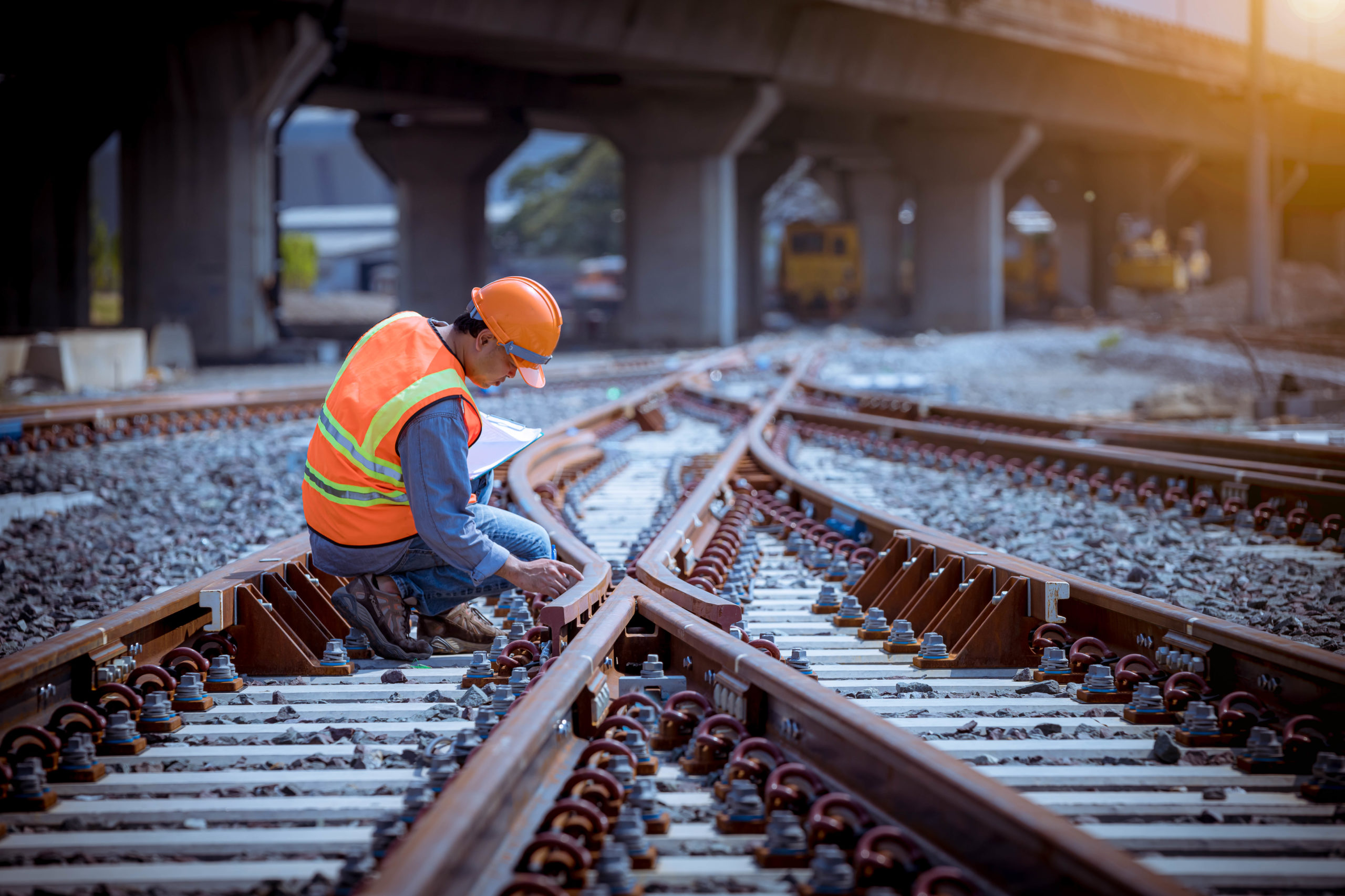
Railroads are among the safest modes of transportation for workers, riders, and the public. Strong federal standards for railroad track and operations, technological investments like positive train control, and communities’ infrastructure improvements have yielded significant gains. But most of these gains have plateaued and in some cases safety trends are moving in the wrong direction. A new strategy and framework is needed to address the most significant safety issues facing railroads. This report explores trends in railroad safety data and actionable recommendations for federal, state, local, and private sector actors to make a demonstrable improvement in railroad safety.