 https://enotrans.org/wp-content/uploads/2022/12/Eno-Logo-2.png
0
0
Karen Price
https://enotrans.org/wp-content/uploads/2022/12/Eno-Logo-2.png
Karen Price2015-09-09 00:00:002023-04-17 07:03:00Senate Commerce Examines FAA Reauthorization, Potential ATC Restructuring
Governance is at the core of any transportation issue. Public, private, and nonprofit actors are the machinery that enables the economy to function, compete effectively for employers and labor, and foster innovation. The ability of agencies to respond to changing and expanding demands varies across the country as is shaped to a large extent by a range of different institutional and organizational structures. Governance determines who makes decisions about capital and operating plans and sets out a process for how those decisions are made. Each structure has its own implications for funding, equitable and effective service patterns, and economic growth.
https://enotrans.org/wp-content/uploads/2022/12/Eno-Logo-2.png
0
0
Karen Price
https://enotrans.org/wp-content/uploads/2022/12/Eno-Logo-2.png
Karen Price2015-09-09 00:00:002023-04-17 07:03:00Senate Commerce Examines FAA Reauthorization, Potential ATC Restructuring
https://enotrans.org/wp-content/uploads/2022/12/Eno-Logo-2.png
0
0
Karen Price
https://enotrans.org/wp-content/uploads/2022/12/Eno-Logo-2.png
Karen Price2015-09-09 00:00:002023-04-17 07:03:03Senate Hearing Examines FAA Aircraft Certification Process
https://enotrans.org/wp-content/uploads/2022/12/Eno-Logo-2.png
0
0
Karen Price
https://enotrans.org/wp-content/uploads/2022/12/Eno-Logo-2.png
Karen Price2015-09-09 00:00:002023-04-17 07:03:05Senate Hearing Examines Airport Finance Issues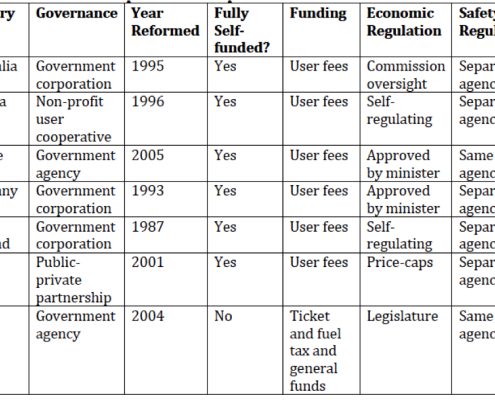 https://enotrans.org/wp-content/uploads/2023/02/ETW20150618atc.png
707
1051
Karen Price
https://enotrans.org/wp-content/uploads/2022/12/Eno-Logo-2.png
Karen Price2015-09-09 00:00:002023-06-28 07:11:51House To Consider Legislation Splitting Up FAA, Spinning Off Air Traffic Control to Non-Profit Corporation
https://enotrans.org/wp-content/uploads/2022/12/Eno-Logo-2.png
0
0
Karen Price
https://enotrans.org/wp-content/uploads/2022/12/Eno-Logo-2.png
Karen Price2015-09-09 00:00:002023-04-17 07:02:17Commerce Hearing Addresses Transpo Network Performance Issues
https://enotrans.org/wp-content/uploads/2022/12/Eno-Logo-2.png
0
0
Karen Price
https://enotrans.org/wp-content/uploads/2022/12/Eno-Logo-2.png
Karen Price2015-09-09 00:00:002023-04-17 07:02:19Sec. Foxx, Governors Testify on the Need for Long-Term Surface Reauthorization Bill
https://enotrans.org/wp-content/uploads/2022/12/Eno-Logo-2.png
0
0
Karen Price
https://enotrans.org/wp-content/uploads/2022/12/Eno-Logo-2.png
Karen Price2015-09-09 00:00:002023-04-17 07:02:24Foxx Testifies At House T&I On Need For GROW AMERICA Act
https://enotrans.org/wp-content/uploads/2023/02/MegaMenu-ETW-ETWLatestIssue.jpg
184
235
Jeff Davis
https://enotrans.org/wp-content/uploads/2022/12/Eno-Logo-2.png
Jeff Davis2015-09-08 19:13:092023-04-17 07:03:12Recess Is Over
https://enotrans.org/wp-content/uploads/2022/12/Eno-Logo-2.png
0
0
Jeff Davis
https://enotrans.org/wp-content/uploads/2022/12/Eno-Logo-2.png
Jeff Davis2015-09-08 17:31:042023-04-17 07:03:12Carper Introduces 16 Cent Per Gallon Gas Tax Increase In Senate
https://enotrans.org/wp-content/uploads/2022/12/Eno-Logo-2.png
0
0
Jeff Davis
https://enotrans.org/wp-content/uploads/2022/12/Eno-Logo-2.png
Jeff Davis2015-09-08 17:27:072023-04-17 07:03:17FAA Short-Term Extension Coming in September – But How Long?
https://enotrans.org/wp-content/uploads/2022/12/Eno-Logo-2.png
0
0
Jeff Davis
https://enotrans.org/wp-content/uploads/2022/12/Eno-Logo-2.png
Jeff Davis2015-09-08 17:24:082023-04-17 07:03:18New FRA Report Details PTC Implementation Woes
https://enotrans.org/wp-content/uploads/2022/12/Eno-Logo-2.png
0
0
Jeff Davis
https://enotrans.org/wp-content/uploads/2022/12/Eno-Logo-2.png
Jeff Davis2015-09-08 17:14:242023-04-17 07:03:18Senate Confirms FHWA, PHMSA Nominees; Receives FMCSA, NTSB Nods
Reforming America’s Transportation System

In February 2019 the Eno Center for Transportation (Eno) and the Reason Foundation (Reason) convened a three-day workshop (the Workshop) at the Pocantico Conference Center of the Rockefeller Brothers Fund (RBF) near Tarrytown, New York. Supported by RBF, with additional funding from Smith…
Transportation at the Ballot Box

Voters increasingly play a critical role in shaping communities from coast-to-coast by casting their votes on investments and other decisions about transportation. The Eno Center for Transportation tracks and analyzes transportation ballot measures across the country.