
 https://enotrans.org/wp-content/uploads/2023/02/membersOnly-1983-01-06-STAA-enrolled-bill-memo-pdf.jpg
1408
1089
ENO CENTER FOR TRANSPORTATION
https://enotrans.org/wp-content/uploads/2022/12/Eno-Logo-2.png
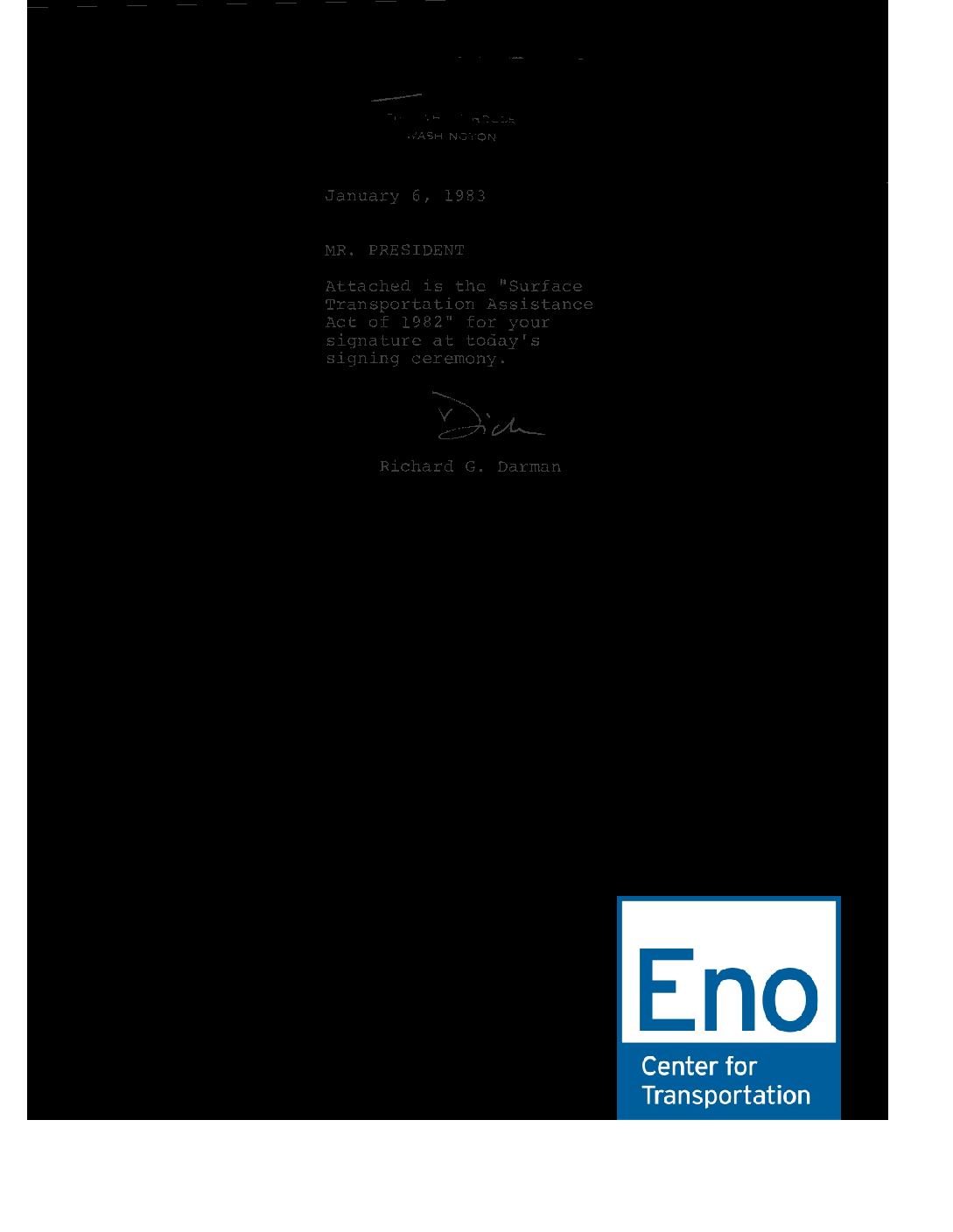
ENO CENTER FOR TRANSPORTATION2015-09-15 01:27:422023-04-28 14:09:401982 STAA White House Enrolled Bill Memo
https://enotrans.org/wp-content/uploads/2023/02/membersOnly-1983-01-06-STAA-enrolled-bill-memo-pdf.jpg
1408
1089
ENO CENTER FOR TRANSPORTATION
https://enotrans.org/wp-content/uploads/2022/12/Eno-Logo-2.png
ENO CENTER FOR TRANSPORTATION2015-09-15 01:27:422023-04-28 14:09:401982 STAA White House Enrolled Bill MemoThe first goal of any transportation agency is safety. Yet almost 40,000 Americans die on the transportation system every year. New proposals for safer streets, better vehicle design, and crash avoidance technology are reshaping the narrative around safety in an effort to reverse the downward trend of transportation safety. Governments are also concerned about the security of the system. Terrorism, hacking, and international affairs can threaten the transportation systems that support the national economy.
https://enotrans.org/wp-content/uploads/2023/02/membersOnly-1983-01-06-STAA-enrolled-bill-memo-pdf.jpg
1408
1089
ENO CENTER FOR TRANSPORTATION
https://enotrans.org/wp-content/uploads/2022/12/Eno-Logo-2.png
ENO CENTER FOR TRANSPORTATION2015-09-15 01:27:422023-04-28 14:09:401982 STAA White House Enrolled Bill Memo https://enotrans.org/wp-content/uploads/2022/12/Eno-Logo-2.png
0
0
enoactualize
https://enotrans.org/wp-content/uploads/2022/12/Eno-Logo-2.png
enoactualize2015-09-14 17:28:292023-04-28 14:09:39Federal Aviation Administration (FAA) Reform Reference Page
https://enotrans.org/wp-content/uploads/2022/12/Eno-Logo-2.png
0
0
enoactualize
https://enotrans.org/wp-content/uploads/2022/12/Eno-Logo-2.png
enoactualize2015-09-14 17:28:292023-04-28 14:09:39Federal Aviation Administration (FAA) Reform Reference Page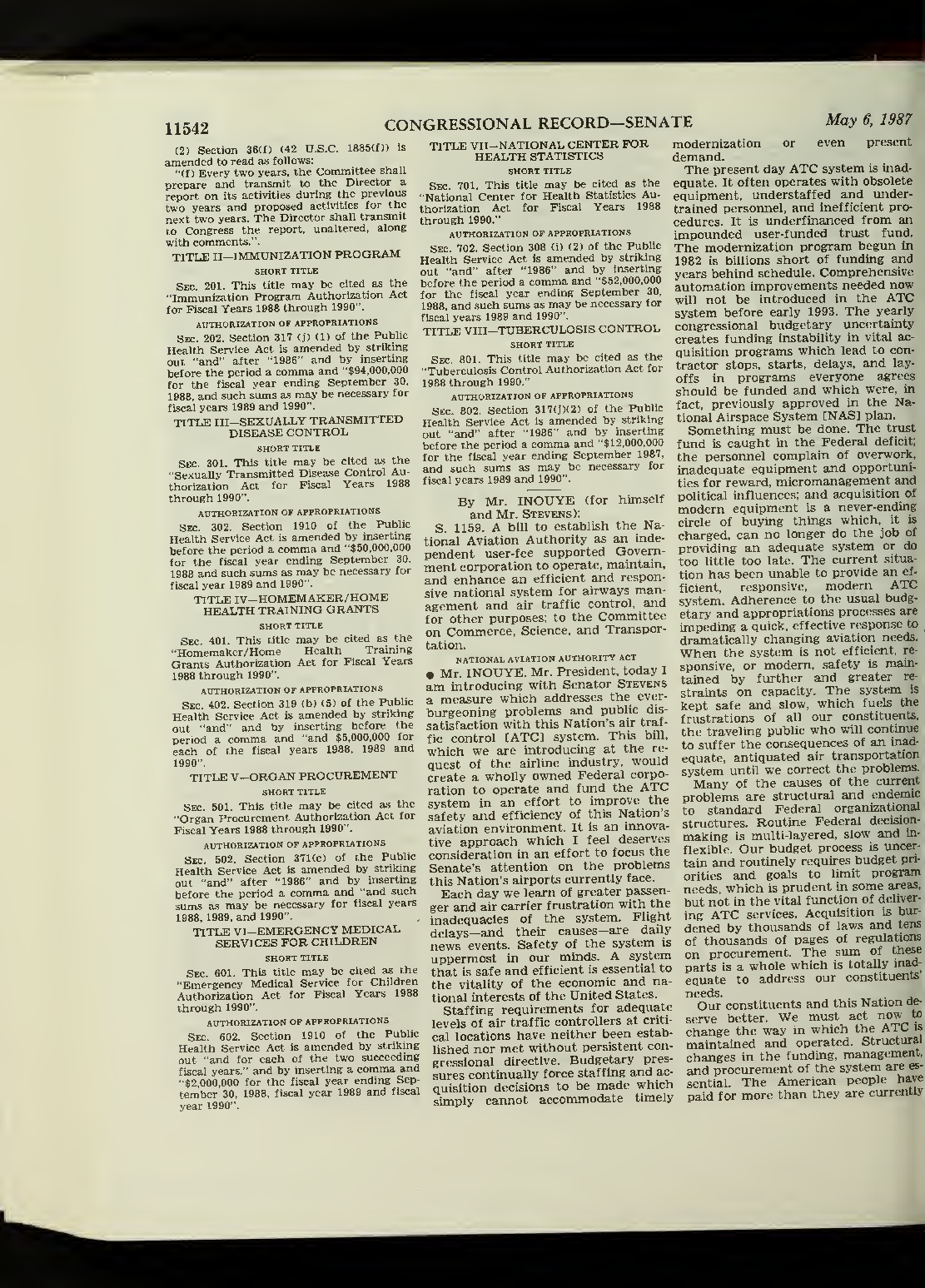 https://enotrans.org/wp-content/uploads/2023/02/membersOnly-Sen.-Inouye-and-Stevens-statements-about-1987-bill11-pdf.jpg
1547
1111
ENO CENTER FOR TRANSPORTATION
https://enotrans.org/wp-content/uploads/2022/12/Eno-Logo-2.png
ENO CENTER FOR TRANSPORTATION2015-09-14 05:55:142023-04-28 14:09:391987 Inouye and Stevens statements on Their ATC Corporation Bill
https://enotrans.org/wp-content/uploads/2023/02/membersOnly-Sen.-Inouye-and-Stevens-statements-about-1987-bill11-pdf.jpg
1547
1111
ENO CENTER FOR TRANSPORTATION
https://enotrans.org/wp-content/uploads/2022/12/Eno-Logo-2.png
ENO CENTER FOR TRANSPORTATION2015-09-14 05:55:142023-04-28 14:09:391987 Inouye and Stevens statements on Their ATC Corporation Bill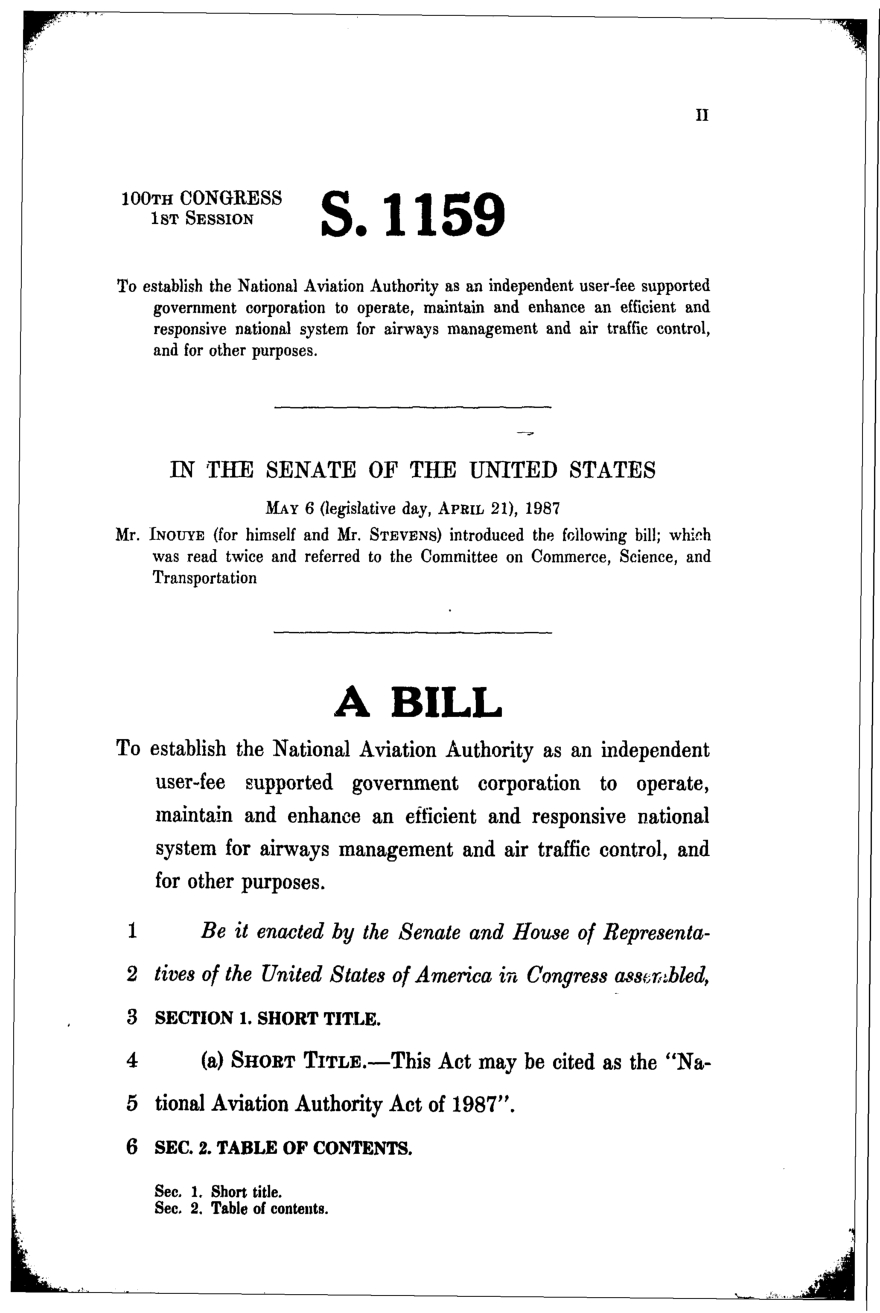 https://enotrans.org/wp-content/uploads/2023/02/membersOnly-1987-Senate-Bill-to-spin-off-ATC-into-a-user-fee-pdf.jpg
1313
880
ENO CENTER FOR TRANSPORTATION
https://enotrans.org/wp-content/uploads/2022/12/Eno-Logo-2.png
ENO CENTER FOR TRANSPORTATION2015-09-14 05:53:052023-04-28 14:09:391987 Inouye-Stevens Air Traffic Control Corporation Bill
https://enotrans.org/wp-content/uploads/2023/02/membersOnly-1987-Senate-Bill-to-spin-off-ATC-into-a-user-fee-pdf.jpg
1313
880
ENO CENTER FOR TRANSPORTATION
https://enotrans.org/wp-content/uploads/2022/12/Eno-Logo-2.png
ENO CENTER FOR TRANSPORTATION2015-09-14 05:53:052023-04-28 14:09:391987 Inouye-Stevens Air Traffic Control Corporation Bill https://enotrans.org/wp-content/uploads/2023/02/membersOnly-Corrected-TEA21-Statement-of-Managers-pdf.jpg
1408
1088
ENO CENTER FOR TRANSPORTATION
https://enotrans.org/wp-content/uploads/2022/12/Eno-Logo-2.png
ENO CENTER FOR TRANSPORTATION2015-09-14 02:20:392023-04-28 14:09:361998 TEA21 Conference Agreement – Corrected Statement of Managers
https://enotrans.org/wp-content/uploads/2023/02/membersOnly-Corrected-TEA21-Statement-of-Managers-pdf.jpg
1408
1088
ENO CENTER FOR TRANSPORTATION
https://enotrans.org/wp-content/uploads/2022/12/Eno-Logo-2.png
ENO CENTER FOR TRANSPORTATION2015-09-14 02:20:392023-04-28 14:09:361998 TEA21 Conference Agreement – Corrected Statement of Managers https://enotrans.org/wp-content/uploads/2023/02/membersOnly-TEA21-as-amended-through-July-1998-pdf.jpg
1408
1088
ENO CENTER FOR TRANSPORTATION
https://enotrans.org/wp-content/uploads/2022/12/Eno-Logo-2.png
ENO CENTER FOR TRANSPORTATION2015-09-14 02:13:362023-04-28 14:09:361998 TEA21 Law – As Amended Through July 1998.
https://enotrans.org/wp-content/uploads/2022/12/Eno-Logo-2.png
0
0
Jeff Davis
https://enotrans.org/wp-content/uploads/2022/12/Eno-Logo-2.png
Jeff Davis2015-09-13 23:30:412023-04-17 06:35:21Capitol Hill Events – Week of Sept. 14, 2015
https://enotrans.org/wp-content/uploads/2023/02/membersOnly-TEA21-as-amended-through-July-1998-pdf.jpg
1408
1088
ENO CENTER FOR TRANSPORTATION
https://enotrans.org/wp-content/uploads/2022/12/Eno-Logo-2.png
ENO CENTER FOR TRANSPORTATION2015-09-14 02:13:362023-04-28 14:09:361998 TEA21 Law – As Amended Through July 1998.
https://enotrans.org/wp-content/uploads/2022/12/Eno-Logo-2.png
0
0
Jeff Davis
https://enotrans.org/wp-content/uploads/2022/12/Eno-Logo-2.png
Jeff Davis2015-09-13 23:30:412023-04-17 06:35:21Capitol Hill Events – Week of Sept. 14, 2015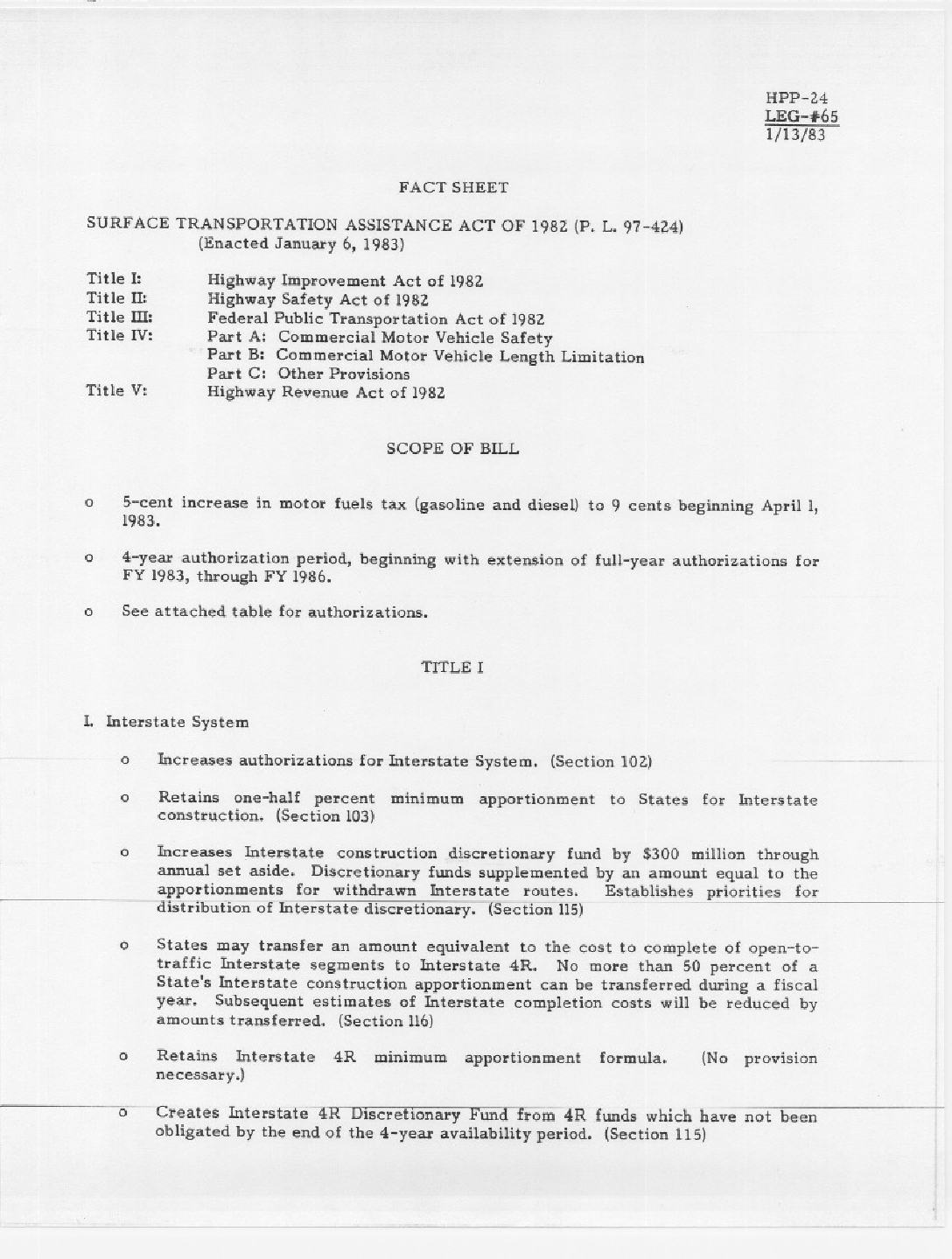 https://enotrans.org/wp-content/uploads/2023/02/membersOnly-DOT-Summary-of-STAA-1982-pdf.jpg
1439
1088
ENO CENTER FOR TRANSPORTATION
https://enotrans.org/wp-content/uploads/2022/12/Eno-Logo-2.png
ENO CENTER FOR TRANSPORTATION2015-09-13 22:29:412023-04-28 14:09:361982 STAA Summary Document From USDOT
https://enotrans.org/wp-content/uploads/2023/02/membersOnly-DOT-Summary-of-STURAA-1987-pdf.jpg
1434
1088
ENO CENTER FOR TRANSPORTATION
https://enotrans.org/wp-content/uploads/2022/12/Eno-Logo-2.png
ENO CENTER FOR TRANSPORTATION2015-09-13 22:26:352023-04-28 14:09:361987 STURAA Summary Document From USDOT
https://enotrans.org/wp-content/uploads/2022/12/Eno-Logo-2.png
0
0
ENO CENTER FOR TRANSPORTATION
https://enotrans.org/wp-content/uploads/2022/12/Eno-Logo-2.png
ENO CENTER FOR TRANSPORTATION2015-09-13 17:21:092023-04-28 14:09:34FY 2016 USDOT Budget Estimates for the National Highway Traffic Safety Administration
https://enotrans.org/wp-content/uploads/2022/12/Eno-Logo-2.png
0
0
ENO CENTER FOR TRANSPORTATION
https://enotrans.org/wp-content/uploads/2022/12/Eno-Logo-2.png
ENO CENTER FOR TRANSPORTATION2015-09-13 17:16:302023-04-28 14:09:33FY 2016 USDOT Budget Estimates for the Federal Motor Carrier Safety Administration
https://enotrans.org/wp-content/uploads/2022/12/Eno-Logo-2.png
0
0
ENO CENTER FOR TRANSPORTATION
https://enotrans.org/wp-content/uploads/2022/12/Eno-Logo-2.png
ENO CENTER FOR TRANSPORTATION2015-09-13 17:11:172023-04-28 14:09:33FY 2016 USDOT Appropriations – House Hearings on FHWA, FTA, NHTSA, MARAD (Video)
https://enotrans.org/wp-content/uploads/2023/02/membersOnly-DOT-Summary-of-STAA-1982-pdf.jpg
1439
1088
ENO CENTER FOR TRANSPORTATION
https://enotrans.org/wp-content/uploads/2022/12/Eno-Logo-2.png
ENO CENTER FOR TRANSPORTATION2015-09-13 22:29:412023-04-28 14:09:361982 STAA Summary Document From USDOT
https://enotrans.org/wp-content/uploads/2023/02/membersOnly-DOT-Summary-of-STURAA-1987-pdf.jpg
1434
1088
ENO CENTER FOR TRANSPORTATION
https://enotrans.org/wp-content/uploads/2022/12/Eno-Logo-2.png
ENO CENTER FOR TRANSPORTATION2015-09-13 22:26:352023-04-28 14:09:361987 STURAA Summary Document From USDOT
https://enotrans.org/wp-content/uploads/2022/12/Eno-Logo-2.png
0
0
ENO CENTER FOR TRANSPORTATION
https://enotrans.org/wp-content/uploads/2022/12/Eno-Logo-2.png
ENO CENTER FOR TRANSPORTATION2015-09-13 17:21:092023-04-28 14:09:34FY 2016 USDOT Budget Estimates for the National Highway Traffic Safety Administration
https://enotrans.org/wp-content/uploads/2022/12/Eno-Logo-2.png
0
0
ENO CENTER FOR TRANSPORTATION
https://enotrans.org/wp-content/uploads/2022/12/Eno-Logo-2.png
ENO CENTER FOR TRANSPORTATION2015-09-13 17:16:302023-04-28 14:09:33FY 2016 USDOT Budget Estimates for the Federal Motor Carrier Safety Administration
https://enotrans.org/wp-content/uploads/2022/12/Eno-Logo-2.png
0
0
ENO CENTER FOR TRANSPORTATION
https://enotrans.org/wp-content/uploads/2022/12/Eno-Logo-2.png
ENO CENTER FOR TRANSPORTATION2015-09-13 17:11:172023-04-28 14:09:33FY 2016 USDOT Appropriations – House Hearings on FHWA, FTA, NHTSA, MARAD (Video)Federal Ban on Chinese Railcars
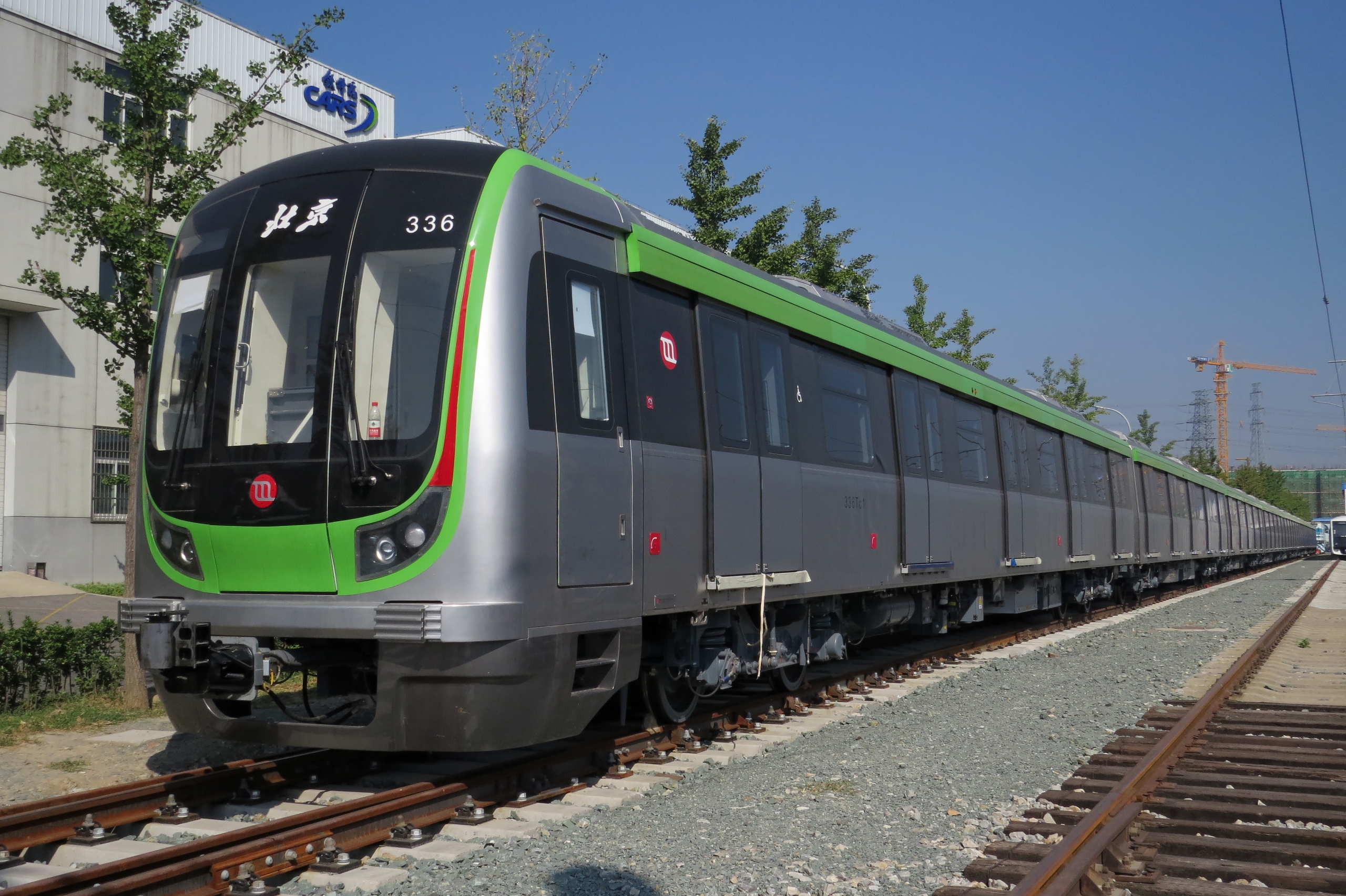
The Implications of the Federal Ban on Chinese Railcars (September 2018) concludes that until the federal government better understands the potential national security risks of using Chinese railcars in American transit systems, a one-year appropriations ban is more appropriate than a permanent policy change.