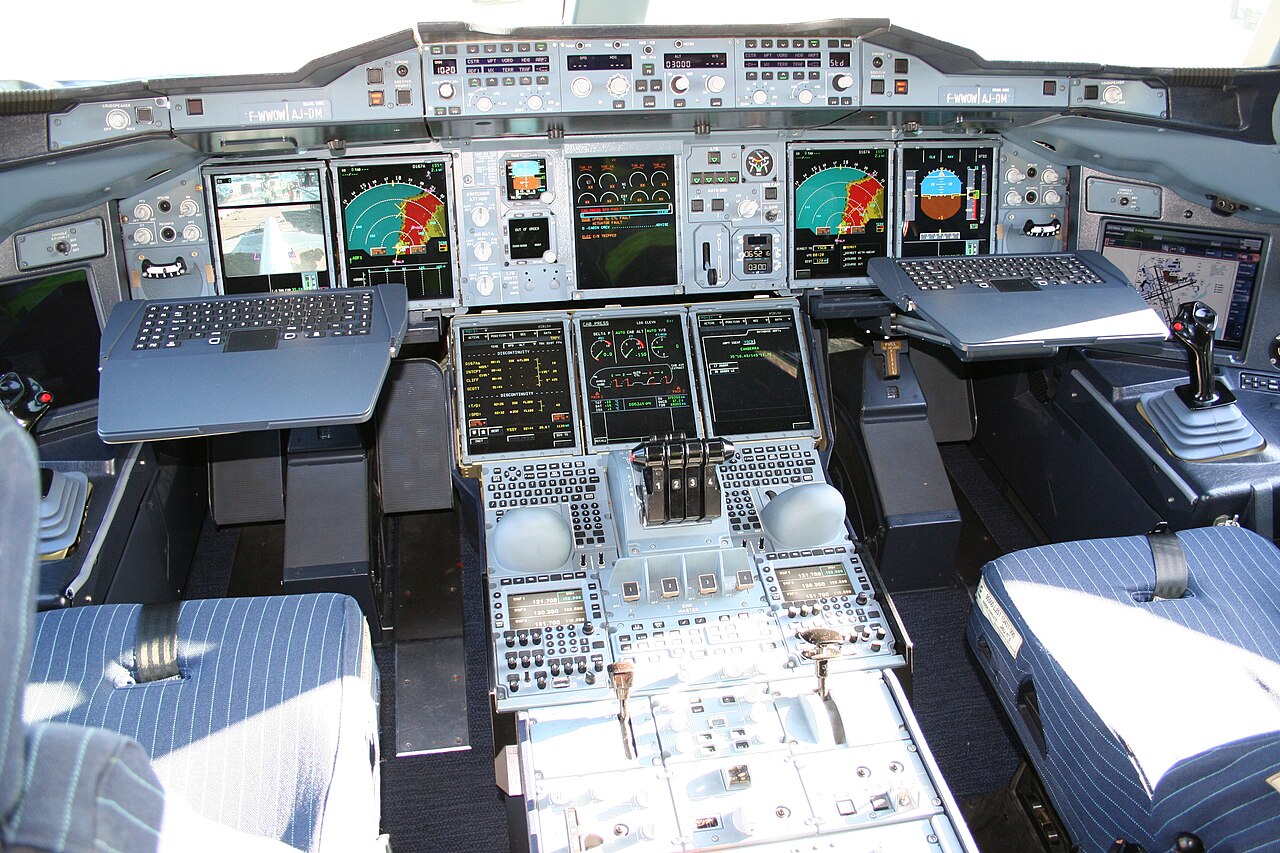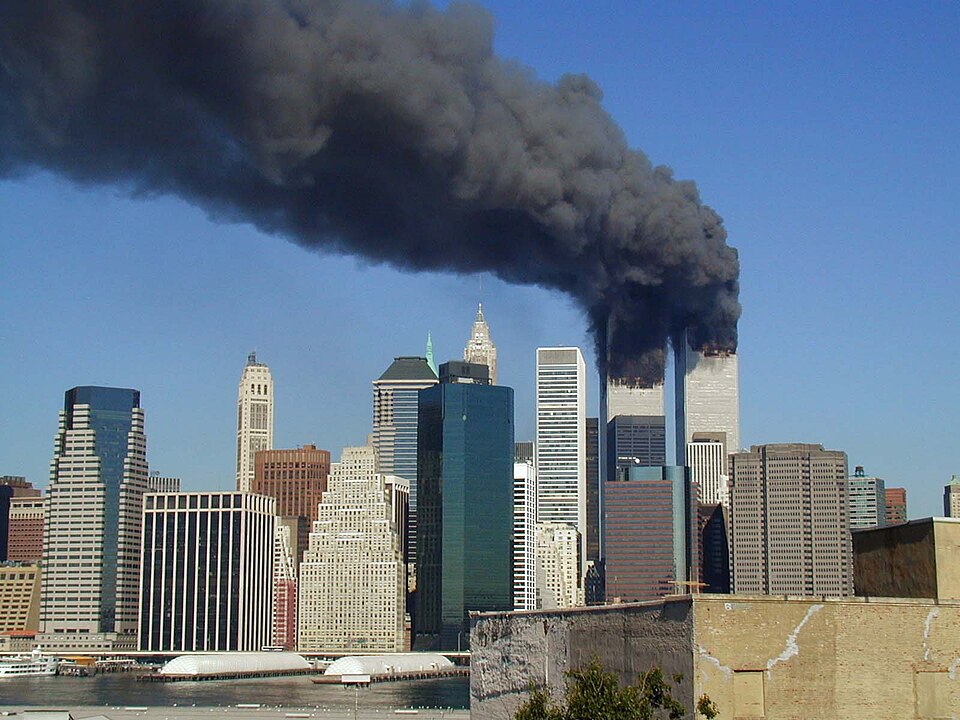
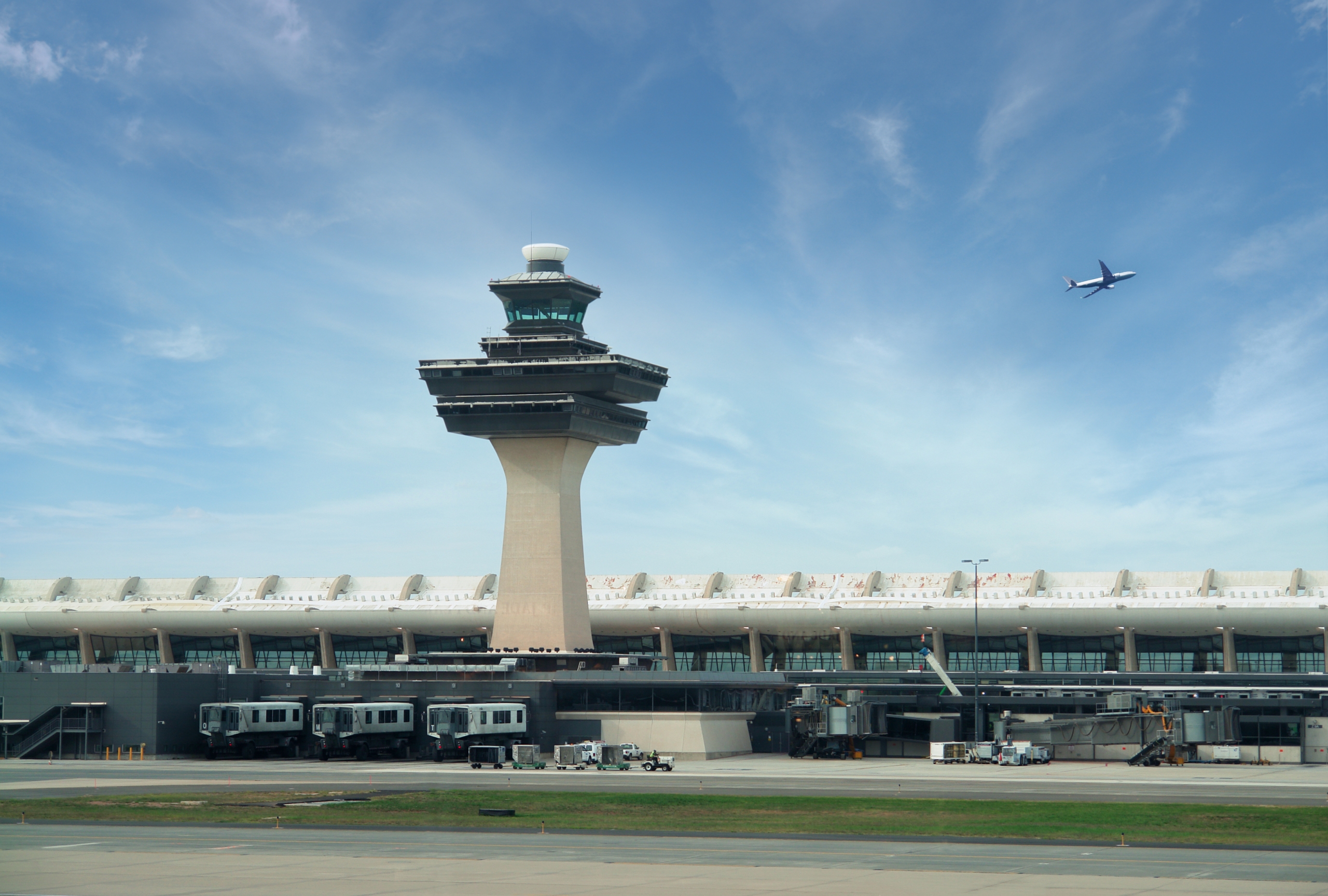
The aviation industry plays a critical role in the American economy, and this group recognizes its vast importance. The aviation sector transports 900 million passengers every year and is responsible for $1.5 trillion in total economic activity, nearly 12 million jobs, and represents 5.4 percent of the country’s gross domestic product. Moreover, the industry’s $83 billion trade surplus is the largest trade surplus within the U.S. economy. Tying this all together is a complex infrastructure network of airports and air traffic control operated by, among many others, millions of highly skilled pilots, mechanics and other technicians, and air traffic controllers. The tremendous collaborative effort of industry and government over the decades, translated into the safest airspace in the world. But, while the U.S. had long been considered the gold standard in aviation technology and safety, America has begun to lose its edge and is falling behind its peers. Today, congestion and delays plague U.S. airports while high-altitude traffic is guided by inefficient and old point-to-point, ground-based radar technology; qualified workers needed to meet the global demands for air travel in the next 30 years have grown increasingly scarce; and new technologies are challenging airline safety and security.

thumbnail

Honoring This Tragedy Through Action

The Air Line Pilots Association president reflects on how September 11 changed aviation, the security improvements that followed, and the...
thumbnail

Air Travel Would Never Be the Same

A former chief aviation strategy officer and a former JetBlue customer experience director examine how 9/11 made airport security more...
thumbnail

Never Forget. Always Learn.

A former Port Authority senior official reflects on the enduring lessons of September 11, including resilience, vigilance, preparedness, collaboration, and...
thumbnail

The Intensity and Gravity of It All

The former senior counsel to the U.S. Senate Commerce Committee's Aviation Subcommittee recalls the chaos around Congress and the unusually...
thumbnail

On the Ground at a State DOT

Former Maryland transportation secretary and Maryland’s acting aviation administrator recount the state’s September 11 response and explain why preparation and...
thumbnail

About This Edition

Eno’s principal researcher introduces the 25th anniversary special edition, drawing together contributors’ accounts of the transportation impacts, the changes that...

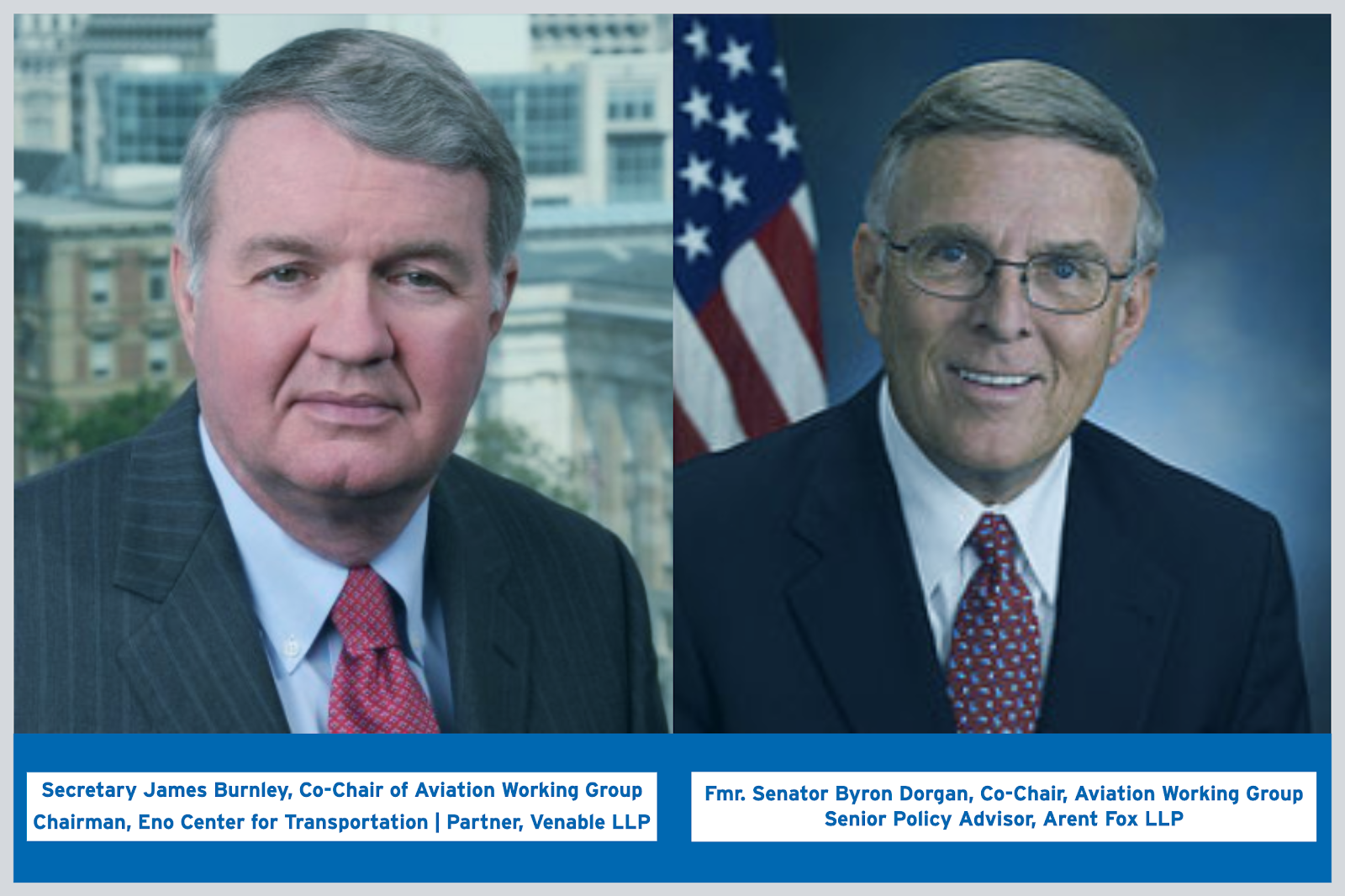
Aviation Working Group

Eno’s Aviation Working Group is a standing advisory group on all matters relating to aviation policy. The group provides Eno staff with insights, knowledge, feedback, and guidance on how to approach some of the most challenging contemporary aviation issues. The goal of the group  is to

(1) educate the public at large as well as policy makers as to the importance of the aviation industry to the U.S. economy;

(2) identify the roadblocks to progress, innovation, and modernization; and

(3) propose bold, pragmatic policy solutions to help tackle those challenges.

Focus Areas for Current Work:

UAS Integration: Research alternatives for certifying and integrating unmanned aerial systems  into the national airspace system and craft clear and actionable policy recommendations for a path forward

Workforce: Identify causes and solutions for workforce shortages across the industry to provide actionable recommendations for leaders

Policy Analysis: Provide analysis and recommendations to inform federal aviation policy related to funding and finance issues, air traffic control reform, and certification.

Member Organizations:

  • Airlines for America
  • Air Line Pilots Association
  • Airport Minority Advisory Council
  • American Airlines
  • Association of Equipment Manufacturers
  • International Air Transport Association
  • Japan International Transport Institute, USA (JITI)
  • National Air Traffic Controllers Association
  • U.S. Chamber of Commerce