
 https://enotrans.org/wp-content/uploads/2022/12/Eno-Logo-2.png
0
0
Jeff Davis
https://enotrans.org/wp-content/uploads/2022/12/Eno-Logo-2.png
Jeff Davis2016-07-08 19:30:262023-04-17 11:52:23Capitol Hill Events – Week of July 11, 2016
https://enotrans.org/wp-content/uploads/2022/12/Eno-Logo-2.png
0
0
Jeff Davis
https://enotrans.org/wp-content/uploads/2022/12/Eno-Logo-2.png
Jeff Davis2016-07-08 19:30:262023-04-17 11:52:23Capitol Hill Events – Week of July 11, 2016Governance is at the core of any transportation issue. Public, private, and nonprofit actors are the machinery that enables the economy to function, compete effectively for employers and labor, and foster innovation. The ability of agencies to respond to changing and expanding demands varies across the country as is shaped to a large extent by a range of different institutional and organizational structures. Governance determines who makes decisions about capital and operating plans and sets out a process for how those decisions are made. Each structure has its own implications for funding, equitable and effective service patterns, and economic growth.
https://enotrans.org/wp-content/uploads/2022/12/Eno-Logo-2.png
0
0
Jeff Davis
https://enotrans.org/wp-content/uploads/2022/12/Eno-Logo-2.png
Jeff Davis2016-07-08 19:30:262023-04-17 11:52:23Capitol Hill Events – Week of July 11, 2016 https://enotrans.org/wp-content/uploads/2023/02/membersOnly-FAA-Extension-to-Sept-2017-SBS-v1pt0-pdf.jpg
1408
1088
ENO CENTER FOR TRANSPORTATION
https://enotrans.org/wp-content/uploads/2022/12/Eno-Logo-2.png
ENO CENTER FOR TRANSPORTATION2016-07-07 20:34:572023-04-28 14:11:05Section-by-Section Summary of FAA Extension Legislation to September 2017
https://enotrans.org/wp-content/uploads/2023/02/membersOnly-FAA-Extension-to-Sept-2017-SBS-v1pt0-pdf.jpg
1408
1088
ENO CENTER FOR TRANSPORTATION
https://enotrans.org/wp-content/uploads/2022/12/Eno-Logo-2.png
ENO CENTER FOR TRANSPORTATION2016-07-07 20:34:572023-04-28 14:11:05Section-by-Section Summary of FAA Extension Legislation to September 2017 https://enotrans.org/wp-content/uploads/2023/02/HA-to-SA-to-HR-636-pdf.jpg
1408
1088
ENO CENTER FOR TRANSPORTATION
https://enotrans.org/wp-content/uploads/2022/12/Eno-Logo-2.png
ENO CENTER FOR TRANSPORTATION2016-07-07 18:29:182023-04-28 14:11:05Text of FAA Extension to September 30, 2017
https://enotrans.org/wp-content/uploads/2023/02/HA-to-SA-to-HR-636-pdf.jpg
1408
1088
ENO CENTER FOR TRANSPORTATION
https://enotrans.org/wp-content/uploads/2022/12/Eno-Logo-2.png
ENO CENTER FOR TRANSPORTATION2016-07-07 18:29:182023-04-28 14:11:05Text of FAA Extension to September 30, 2017 https://enotrans.org/wp-content/uploads/2023/02/iStock_000054592346_Double-1-e1453994247351.jpg
500
750
Jeff Davis
https://enotrans.org/wp-content/uploads/2022/12/Eno-Logo-2.png
Jeff Davis2016-07-06 20:29:032023-04-17 11:52:29Aviation Extension to September 2017 Announced
https://enotrans.org/wp-content/uploads/2023/02/iStock_000054592346_Double-1-e1453994247351.jpg
500
750
Jeff Davis
https://enotrans.org/wp-content/uploads/2022/12/Eno-Logo-2.png
Jeff Davis2016-07-06 20:29:032023-04-17 11:52:29Aviation Extension to September 2017 Announced https://enotrans.org/wp-content/uploads/2023/02/p96su9.jpg
257
379
Jeff Davis
https://enotrans.org/wp-content/uploads/2022/12/Eno-Logo-2.png
Jeff Davis2016-07-06 17:43:352023-06-28 06:44:25100th Anniversary of the Creation of the Federal-Aid Highway Program
https://enotrans.org/wp-content/uploads/2023/02/p96su9.jpg
257
379
Jeff Davis
https://enotrans.org/wp-content/uploads/2022/12/Eno-Logo-2.png
Jeff Davis2016-07-06 17:43:352023-06-28 06:44:25100th Anniversary of the Creation of the Federal-Aid Highway Program https://enotrans.org/wp-content/uploads/2023/02/iStock_000021011349_Large-e1454684621129.jpg
500
750
Jeff Davis
https://enotrans.org/wp-content/uploads/2022/12/Eno-Logo-2.png
Jeff Davis2016-07-06 17:39:072023-06-28 06:44:25Senate Passes Maritime Authorization Bill, Confirms FMC Nominees
https://enotrans.org/wp-content/uploads/2023/02/iStock_000021011349_Large-e1454684621129.jpg
500
750
Jeff Davis
https://enotrans.org/wp-content/uploads/2022/12/Eno-Logo-2.png
Jeff Davis2016-07-06 17:39:072023-06-28 06:44:25Senate Passes Maritime Authorization Bill, Confirms FMC Nominees https://enotrans.org/wp-content/uploads/2023/02/iStock_000003423052_Large-e1455200260726.jpg
499
750
Jeff Davis
https://enotrans.org/wp-content/uploads/2022/12/Eno-Logo-2.png
Jeff Davis2016-07-06 17:00:512023-04-17 11:54:05Inhofe Pushes WRDA Bill, But Pre-Recess Schedule Still Tight
https://enotrans.org/wp-content/uploads/2023/02/iStock_000003423052_Large-e1455200260726.jpg
499
750
Jeff Davis
https://enotrans.org/wp-content/uploads/2022/12/Eno-Logo-2.png
Jeff Davis2016-07-06 17:00:512023-04-17 11:54:05Inhofe Pushes WRDA Bill, But Pre-Recess Schedule Still Tight https://enotrans.org/wp-content/uploads/2023/01/26939267-e1460662949202.jpg
507
750
Jeff Davis
https://enotrans.org/wp-content/uploads/2022/12/Eno-Logo-2.png
Jeff Davis2016-07-06 16:20:442023-04-17 11:54:05$759 Million in FY16 Highway and Freight Grants Announced
https://enotrans.org/wp-content/uploads/2023/01/26939267-e1460662949202.jpg
507
750
Jeff Davis
https://enotrans.org/wp-content/uploads/2022/12/Eno-Logo-2.png
Jeff Davis2016-07-06 16:20:442023-04-17 11:54:05$759 Million in FY16 Highway and Freight Grants Announced https://enotrans.org/wp-content/uploads/2023/02/1966-07-01-Committee-Print-of-HR-15963-w-FCMU-amendments-pdf.jpg
4468
2990
ENO CENTER FOR TRANSPORTATION
https://enotrans.org/wp-content/uploads/2022/12/Eno-Logo-2.png
ENO CENTER FOR TRANSPORTATION2016-06-28 14:34:002023-04-28 14:11:05Amendments Adopted in House Government Operations Full Committee Markup of DOT Creation Bill, June 29, 1966
https://enotrans.org/wp-content/uploads/2023/02/1966-07-01-Committee-Print-of-HR-15963-w-FCMU-amendments-pdf.jpg
4468
2990
ENO CENTER FOR TRANSPORTATION
https://enotrans.org/wp-content/uploads/2022/12/Eno-Logo-2.png
ENO CENTER FOR TRANSPORTATION2016-06-28 14:34:002023-04-28 14:11:05Amendments Adopted in House Government Operations Full Committee Markup of DOT Creation Bill, June 29, 1966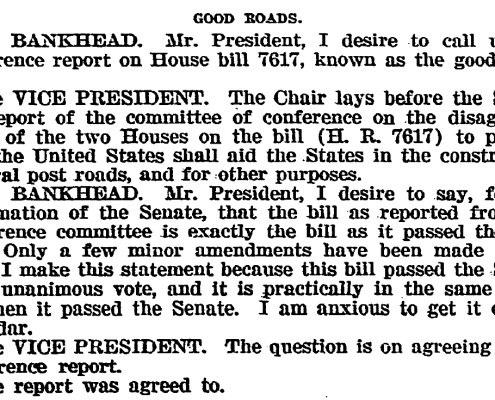 https://enotrans.org/wp-content/uploads/2023/02/Screen-Shot-2016-06-27-at-4.07.50-PM.png
735
1131
Jeff Davis
https://enotrans.org/wp-content/uploads/2022/12/Eno-Logo-2.png
Jeff Davis2016-06-27 20:28:012023-06-28 06:44:26100 Years Ago Today – Senate Approves Final Version of Good Roads Act
https://enotrans.org/wp-content/uploads/2023/02/Screen-Shot-2016-06-27-at-4.07.50-PM.png
735
1131
Jeff Davis
https://enotrans.org/wp-content/uploads/2022/12/Eno-Logo-2.png
Jeff Davis2016-06-27 20:28:012023-06-28 06:44:26100 Years Ago Today – Senate Approves Final Version of Good Roads Act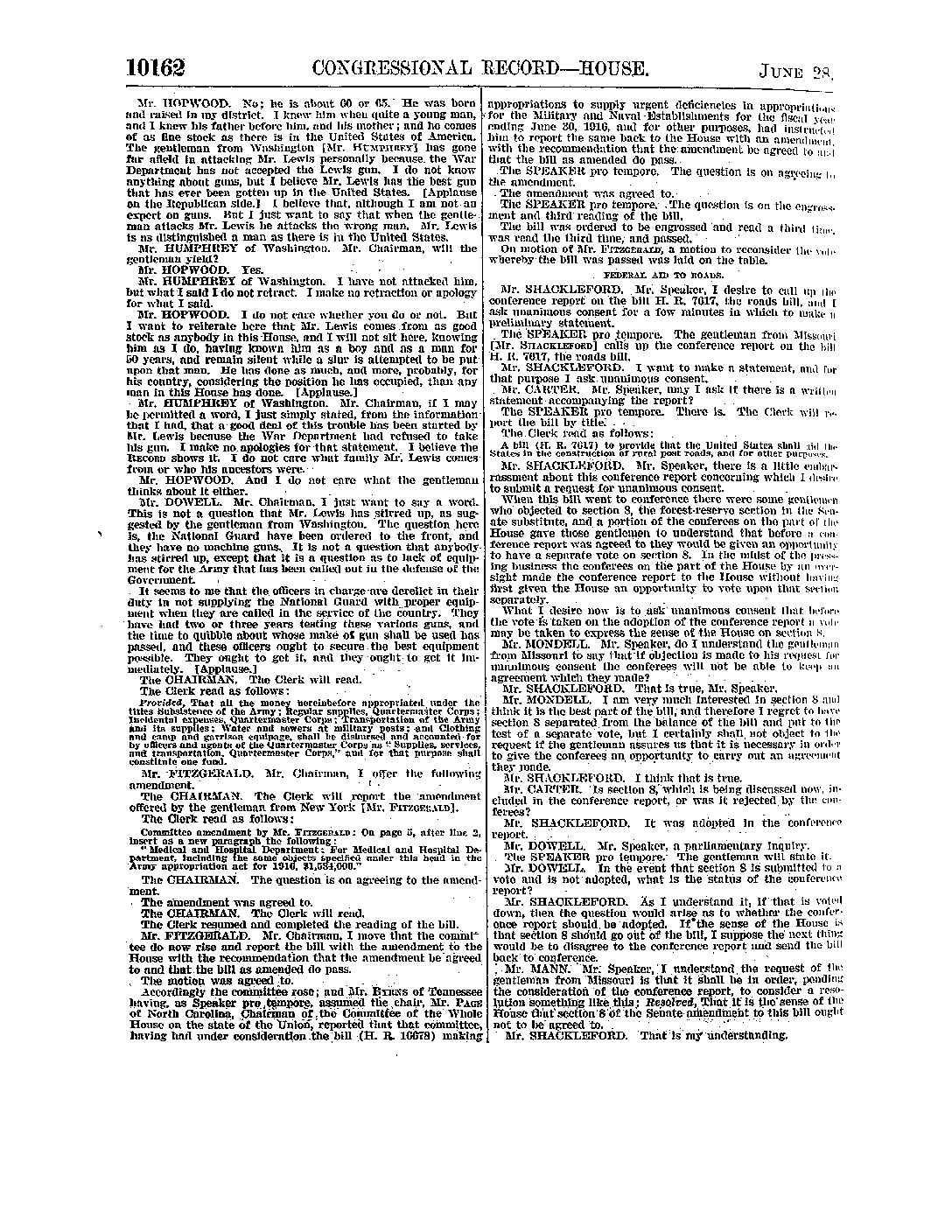 https://enotrans.org/wp-content/uploads/2023/02/1916-Good-Roads-Act-House-Conference-Report-Debate-pdf.jpg
1408
1088
ENO CENTER FOR TRANSPORTATION
https://enotrans.org/wp-content/uploads/2022/12/Eno-Logo-2.png
ENO CENTER FOR TRANSPORTATION2016-06-27 20:26:152023-04-28 14:11:041916 Good Roads Act – House Floor Debate on Conference Report
https://enotrans.org/wp-content/uploads/2023/02/1916-Good-Roads-Act-Conference-Report-pdf.jpg
1408
1088
ENO CENTER FOR TRANSPORTATION
https://enotrans.org/wp-content/uploads/2022/12/Eno-Logo-2.png
ENO CENTER FOR TRANSPORTATION2016-06-27 20:16:272023-04-28 14:11:041916 Good Roads Act – Conference Report
https://enotrans.org/wp-content/uploads/2023/02/1916-Good-Roads-Act-House-Conference-Report-Debate-pdf.jpg
1408
1088
ENO CENTER FOR TRANSPORTATION
https://enotrans.org/wp-content/uploads/2022/12/Eno-Logo-2.png
ENO CENTER FOR TRANSPORTATION2016-06-27 20:26:152023-04-28 14:11:041916 Good Roads Act – House Floor Debate on Conference Report
https://enotrans.org/wp-content/uploads/2023/02/1916-Good-Roads-Act-Conference-Report-pdf.jpg
1408
1088
ENO CENTER FOR TRANSPORTATION
https://enotrans.org/wp-content/uploads/2022/12/Eno-Logo-2.png
ENO CENTER FOR TRANSPORTATION2016-06-27 20:16:272023-04-28 14:11:041916 Good Roads Act – Conference ReportReforming America’s Transportation System

In February 2019 the Eno Center for Transportation (Eno) and the Reason Foundation (Reason) convened a three-day workshop (the Workshop) at the Pocantico Conference Center of the Rockefeller Brothers Fund (RBF) near Tarrytown, New York. Supported by RBF, with additional funding from Smith…
Transportation at the Ballot Box

Voters increasingly play a critical role in shaping communities from coast-to-coast by casting their votes on investments and other decisions about transportation. The Eno Center for Transportation tracks and analyzes transportation ballot measures across the country.