
APPLICATON PERIOD: Transportation Senior Executive
The 2022 TSE Program will be held from May 15 to May 20, 2022. Applications for the 2022 TSE Program are due on Monday, February 21 at 11:59pm EST.

The 2022 TSE Program will be held from May 15 to May 20, 2022. Applications for the 2022 TSE Program are due on Monday, February 21 at 11:59pm EST.

The 2022 TSE Program will be held from May 15 to May 20, 2022. Applications for the 2022 TSE Program are due on Monday, February 21 at 11:59pm EST.

As the Transportation sector continues to become more dependent on access to the electric power grid, increased coordination between the transportation and energy sectors will lead to more efficient connected […]

Many of the goods imported into the U.S. rely on intricate, finely-tuned, international supply chains. When the COVID-19 pandemic wreaked havoc on international supply networks that caused shortages, price increases, […]
Congress may have just released the text of its $1.5 trillion omnibus appropriations package, but Jeff Davis already has you covered for all your transportation update needs. In this Rapid […]

The war in Ukraine has touched almost every corner of the world in almost as many ways. From parts availability to rising oil prices, it's clear that what happens in […]
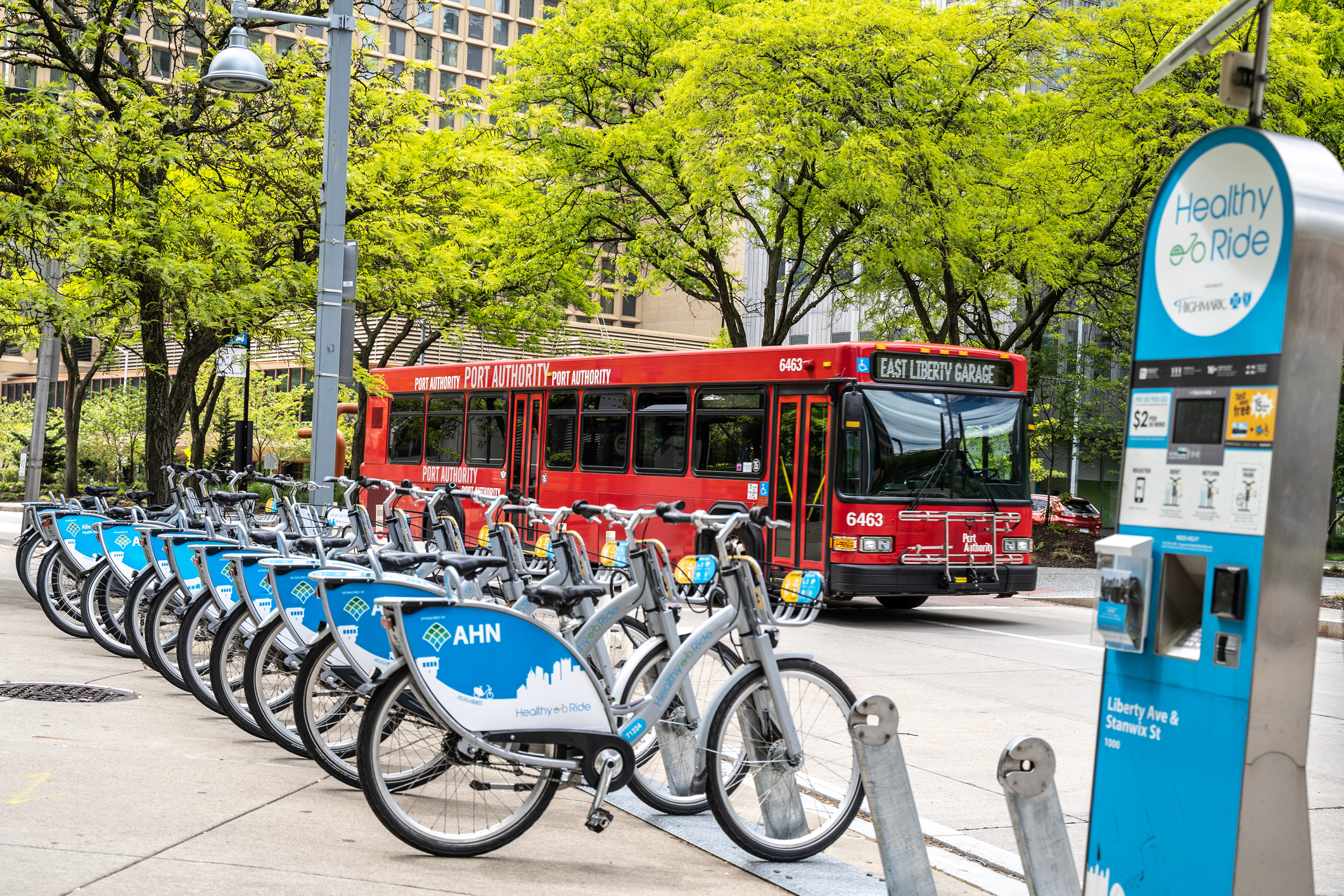
Cutting greenhouse gas emissions from transportation, which account for 29 percent of total emissions in the United States, is going to take a multifaceted approach. Leveraging public transit networks is […]

Cities own the streets that transit agencies need for their bus lanes. Regions often lack a coordinated entity to oversee implementation of road pricing. Freight rolling off a regional port […]

In January 2019, LA Metro launched a first-mile, last-mile mobility on demand (MOD) pilot with Via, offering shared rides to and from select rail transit stations. LA Metro and their […]
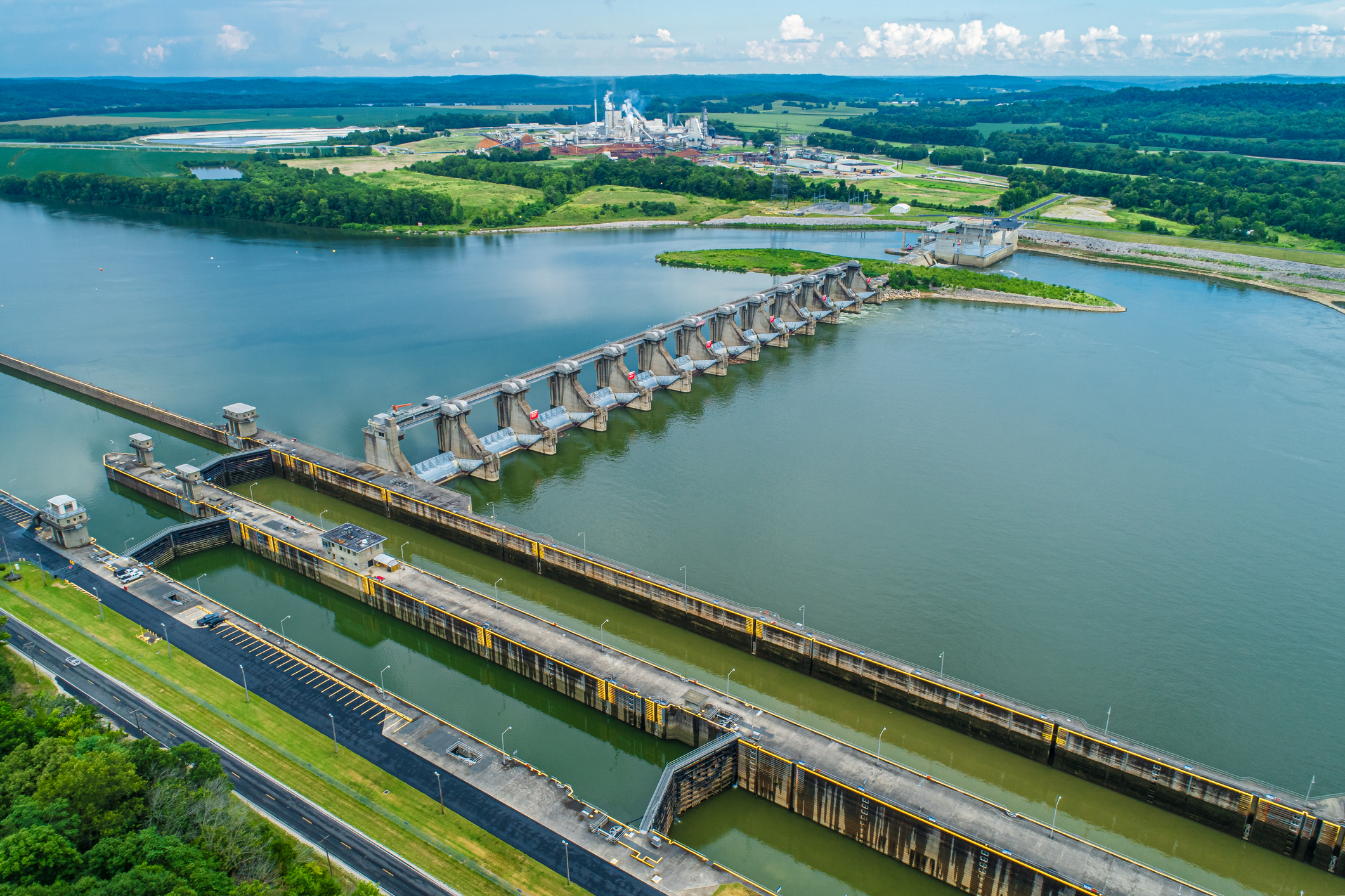
The 12,000-mile inland waterways network in the United States is a vital trade corridor serving energy, agriculture, and other freight shipments internally and for export. Major global events like the […]

Who was transit built for? For what purpose? And how has that approach changed? Join Eno for a webinar that will answer these questions and more on the past, present, […]
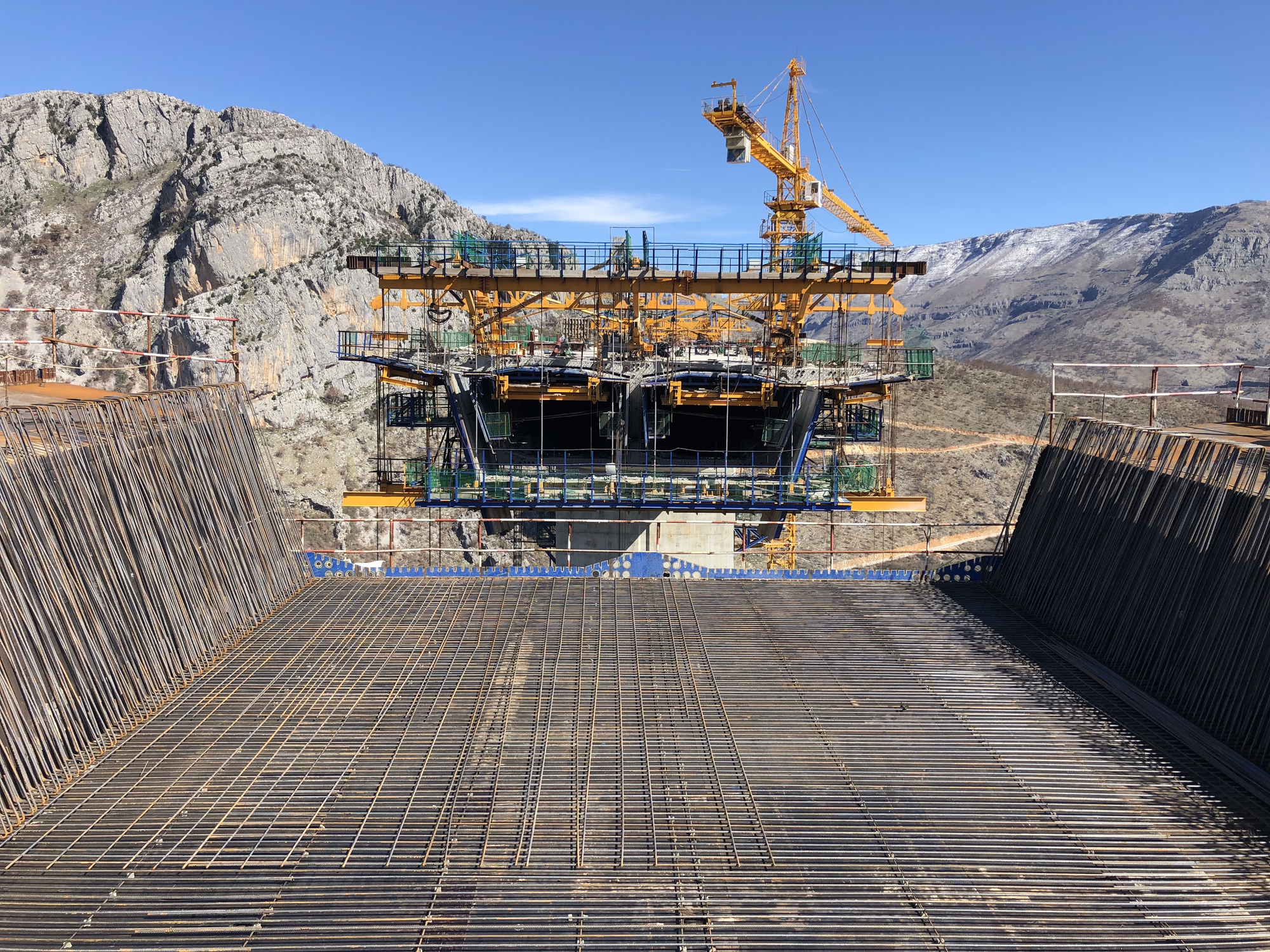
In November 2021, President Biden signed the Infrastructure Investment and Jobs Act (IIJA), the single largest infrastructure spending bill in American history. But with so many opportunities, projects, and problems […]