

Shared Roadways, Platforms, and Benefits: Integrating Autonomous Travel Choices
As robotaxis expand into more U.S. cities, this report examines how autonomous vehicle deployment could affect labor, safety, equity, and transportation access. Drawing on early deployments, it explores how policy and network design may shape...
Customization, Competition, and Costs: Findings and Recommendations for the U.S. Transit Bus Industry
To help transit agencies purchase better buses at lower cost with shorter delivery times, Eno's report examines one of the most important but least understood factors shaping the U.S. transit bus market: customization. Unlike automobiles,...

Benefits and Beneficiaries of the Nation’s Inland Waterways
The Europeans settled the United States via waterborne transportation. Settlements, and then cities, first arose where there were natural seaports. They later developed along rivers as far upstream as the boats of the time could manage. Beginning in the Jacksonian era, the federal government took on responsibility for keeping those inland waterways navigable and properly maintained.

Transportation at the Ballot Box 2024
Transportation ballot measures are vital for determining the future of mobility, infrastructure, and community development. From public transit funding to road safety enhancements, these measures influence how cities, counties, and states prioritize and invest in transportation. Eno’s Transportation at the Ballot Box initiative provides transportation professionals, local and state officials, and municipal leaders with the tools and insights necessary to navigate this critical area of public decision-making.

Success Factors in Private Contracting for Public Transportation
In the dynamic realm of transportation, artificial intelligence (AI) emerges as a pivotal force, revolutionizing how tasks are accomplished and potentials are unlocked. This article delves into the multifaceted role of AI in augmenting human capabilities and reshaping operations. From automated vehicles to intuitive maps and tailored recommendations, AI permeates consumer interfaces, promising improved safety, streamlined operations, and cost-efficiency. However, integrating AI into this sector demands a profound understanding of its intricacies and challenges, given the weight of accountability and stringent regulations. The article emphasizes the imperative for transportation practitioners and policymakers to grasp AI’s mechanics, fostering informed decision-making to harness its potential effectively. Ultimately, this policy brief seeks to bridge the gap between AI and transportation, empowering professionals to usher in a new era of innovation and equitable advancement.

AI and Transportation
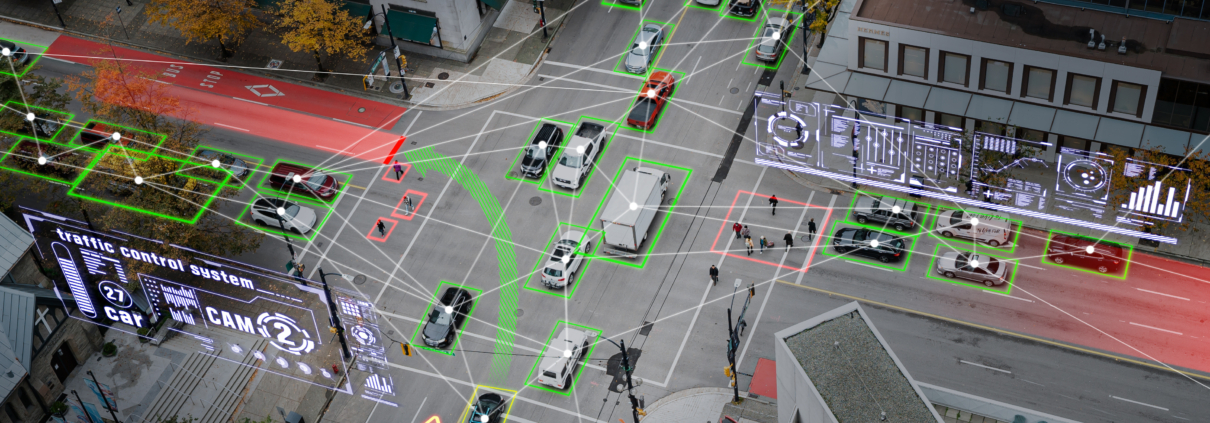
In the dynamic realm of transportation, artificial intelligence (AI) emerges as a pivotal force, revolutionizing how tasks are accomplished and potentials are unlocked. This article delves into the multifaceted role of AI in augmenting human capabilities and reshaping operations. From automated vehicles to intuitive maps and tailored recommendations, AI permeates consumer interfaces, promising improved safety, streamlined operations, and cost-efficiency. However, integrating AI into this sector demands a profound understanding of its intricacies and challenges, given the weight of accountability and stringent regulations. The article emphasizes the imperative for transportation practitioners and policymakers to grasp AI’s mechanics, fostering informed decision-making to harness its potential effectively. Ultimately, this policy brief seeks to bridge the gap between AI and transportation, empowering professionals to usher in a new era of innovation and equitable advancement.

Driving Change: Advice For The National VMT-Fee Pilot
The US faces funding challenges for transportation infrastructure due to changing vehicle technology. To address this, a national pilot program for a vehicle miles traveled (VMT) fee is being established. Recommendations include simplicity, scalability, and standardization. Testing will focus on commercial trucks and private passenger vehicles. The goal is to explore alternative funding models and address the transportation funding crisis.
Data for Environmentally Sustainable and Inclusive Urban Mobility
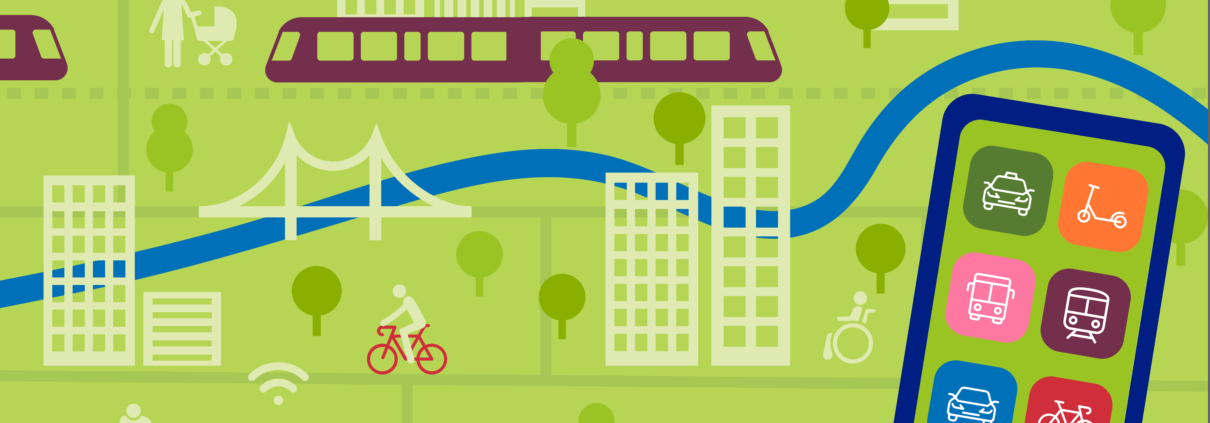
Data on passenger movements, vehicle fleets, fare payments, and transportation infrastructure has immense potential to inform cities to better plan, regulate, and enforce their urban mobility systems. This report specifically examines the opportunities that exist for U.S. cities to use mobility data—made available through adoption of new mobility services and data-based technologies—to improve transportation’s environmental sustainability, accessibility, and equity.

Filling Gaps in US Spectrum Allocation: Reforms for Collaborative Management
The Eno Center for Transportation (Eno) and the Information Technology and Innovation Foundation (ITIF) collaborated on an initiative to inform future spectrum allocations. These two independent,…

On the Right Track: Rail Transit Project Delivery Around the World
When the Infrastructure Investment and Jobs Act (IIJA) was signed into law at the end of 2021, it promised to usher in a new era in transportation, energy, water, and telecommunications projects. This major increase…