
 https://enotrans.org/wp-content/uploads/2022/12/Eno-Logo-2.png
0
0
Jeff Davis
https://enotrans.org/wp-content/uploads/2022/12/Eno-Logo-2.png
Jeff Davis2015-09-08 17:24:082023-04-17 07:03:18New FRA Report Details PTC Implementation Woes
https://enotrans.org/wp-content/uploads/2022/12/Eno-Logo-2.png
0
0
Jeff Davis
https://enotrans.org/wp-content/uploads/2022/12/Eno-Logo-2.png
Jeff Davis2015-09-08 17:24:082023-04-17 07:03:18New FRA Report Details PTC Implementation WoesRailroads have been a vital presence in American transportation for nearly 200 years moving both passengers and freight efficiently and effectively. Freight railroads in the United States are mostly owned by private companies, who maintain and operate their own networks. Passenger systems, whether through Amtrak or various commuter railroads, require public assistance and either operate on their own track or pay to use freight railroad-owned track.
https://enotrans.org/wp-content/uploads/2022/12/Eno-Logo-2.png
0
0
Jeff Davis
https://enotrans.org/wp-content/uploads/2022/12/Eno-Logo-2.png
Jeff Davis2015-09-08 17:24:082023-04-17 07:03:18New FRA Report Details PTC Implementation Woes
https://enotrans.org/wp-content/uploads/2022/12/Eno-Logo-2.png
0
0
Jeff Davis
https://enotrans.org/wp-content/uploads/2022/12/Eno-Logo-2.png
Jeff Davis2015-09-08 05:48:462023-04-17 07:05:52House Passes Compromise FY15 Homeland Approps. Bill With Veto-Bait Immigration Riders
https://enotrans.org/wp-content/uploads/2022/12/Eno-Logo-2.png
0
0
Jeff Davis
https://enotrans.org/wp-content/uploads/2022/12/Eno-Logo-2.png
Jeff Davis2015-07-30 09:52:592023-04-17 07:06:34July 30, 2015 9:52 a.m. – House and Senate Almost Over DRIVE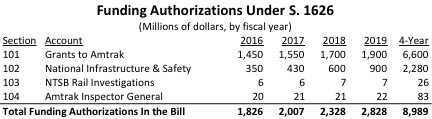 https://enotrans.org/wp-content/uploads/2022/12/a8ac465f-d08f-4862-becb-619d9061dc23-1.jpg
119
432
Jeff Davis
https://enotrans.org/wp-content/uploads/2022/12/Eno-Logo-2.png
Jeff Davis2015-06-09 13:30:362023-04-17 07:10:18Senators Introduce Amtrak Bill; Homeland Funding and STB Reauthorization Advance
https://enotrans.org/wp-content/uploads/2022/12/Eno-Logo-2.png
0
0
Karen Price
https://enotrans.org/wp-content/uploads/2022/12/Eno-Logo-2.png
Karen Price2015-06-01 16:12:172023-04-17 07:10:18What Does the Amtrak Incident Tell Us About How We Can Improve Safety?
https://enotrans.org/wp-content/uploads/2022/12/a8ac465f-d08f-4862-becb-619d9061dc23-1.jpg
119
432
Jeff Davis
https://enotrans.org/wp-content/uploads/2022/12/Eno-Logo-2.png
Jeff Davis2015-06-09 13:30:362023-04-17 07:10:18Senators Introduce Amtrak Bill; Homeland Funding and STB Reauthorization Advance
https://enotrans.org/wp-content/uploads/2022/12/Eno-Logo-2.png
0
0
Karen Price
https://enotrans.org/wp-content/uploads/2022/12/Eno-Logo-2.png
Karen Price2015-06-01 16:12:172023-04-17 07:10:18What Does the Amtrak Incident Tell Us About How We Can Improve Safety?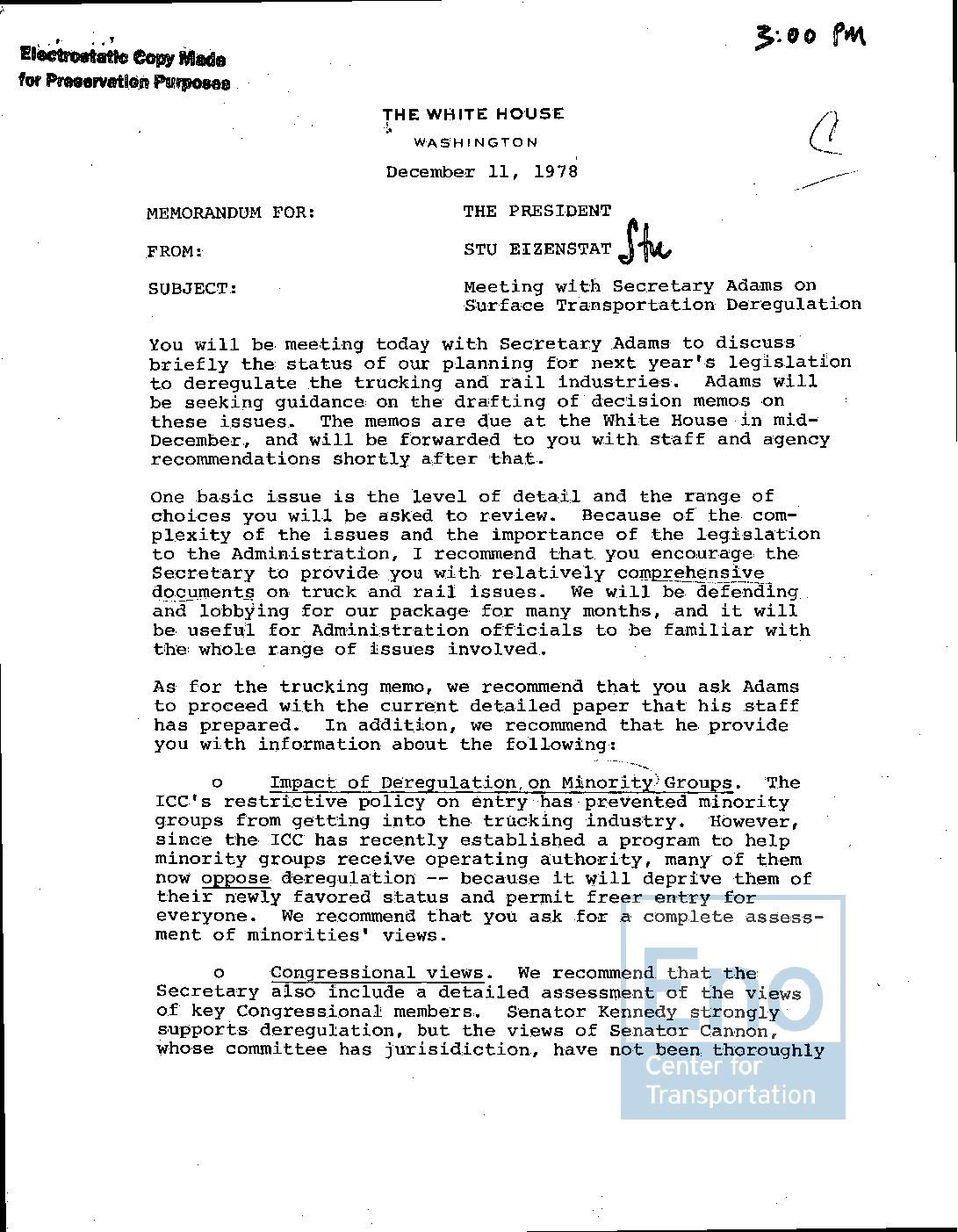 https://enotrans.org/wp-content/uploads/2023/02/membersOnly-1978-12-11-Carter-Adams-meeting-on-surface-dereg-pdf.jpg
1403
1091
ENO CENTER FOR TRANSPORTATION
https://enotrans.org/wp-content/uploads/2022/12/Eno-Logo-2.png
ENO CENTER FOR TRANSPORTATION2015-05-13 02:13:052023-04-28 14:08:431978 White House Strategy Memo on Trucking and Rail Deregulation Proposals
https://enotrans.org/wp-content/uploads/2023/02/membersOnly-1978-12-11-Carter-Adams-meeting-on-surface-dereg-pdf.jpg
1403
1091
ENO CENTER FOR TRANSPORTATION
https://enotrans.org/wp-content/uploads/2022/12/Eno-Logo-2.png
ENO CENTER FOR TRANSPORTATION2015-05-13 02:13:052023-04-28 14:08:431978 White House Strategy Memo on Trucking and Rail Deregulation Proposals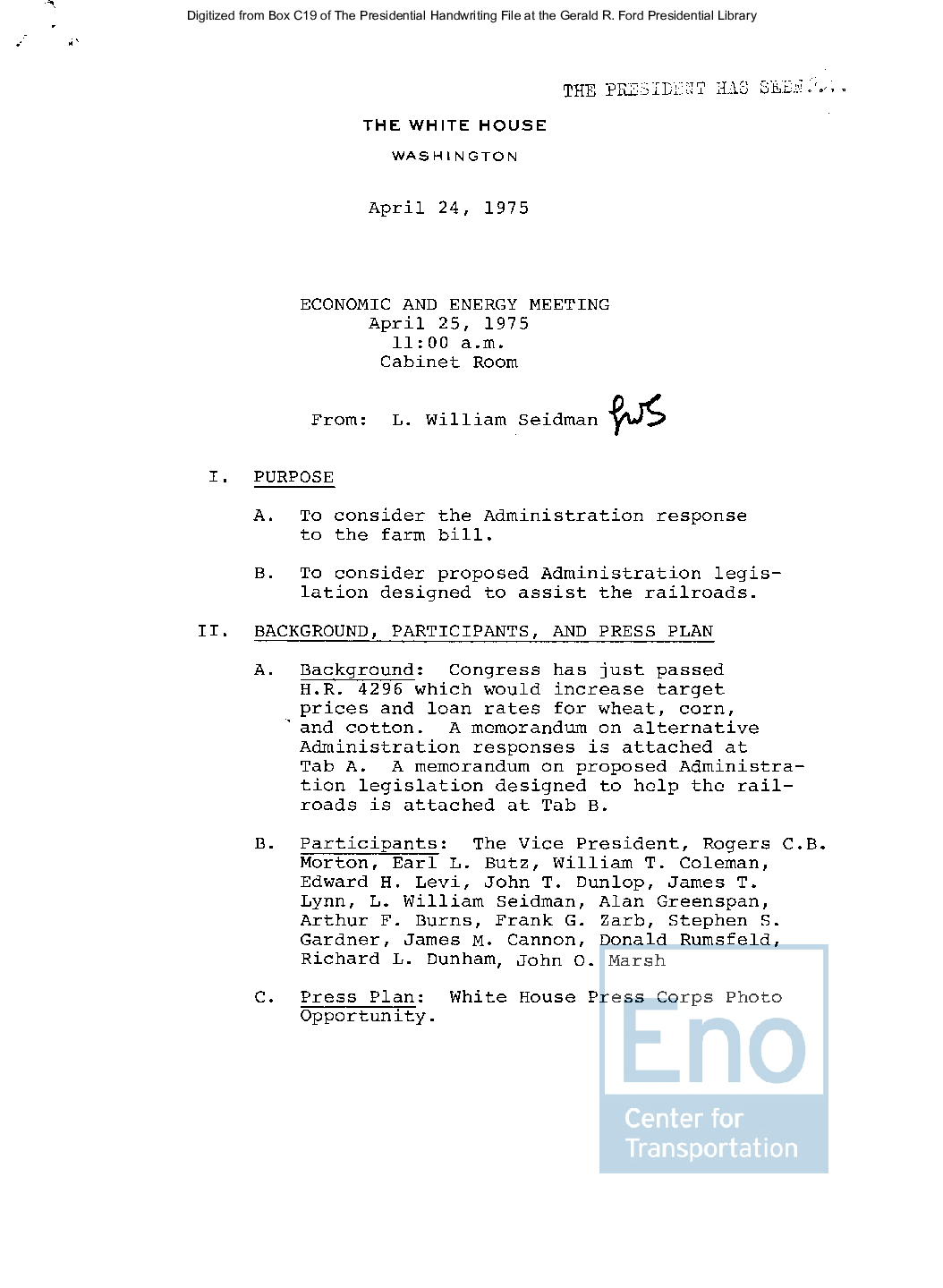 https://enotrans.org/wp-content/uploads/2023/02/membersOnly-1975-04-24-WH-briefing-memos-on-4R-strategy-pdf.jpg
1439
1054
ENO CENTER FOR TRANSPORTATION
https://enotrans.org/wp-content/uploads/2022/12/Eno-Logo-2.png
ENO CENTER FOR TRANSPORTATION2015-05-08 02:10:572023-04-28 14:08:431975 White House Freight Rail Assistance Decision Memo
https://enotrans.org/wp-content/uploads/2023/02/membersOnly-1975-04-24-WH-briefing-memos-on-4R-strategy-pdf.jpg
1439
1054
ENO CENTER FOR TRANSPORTATION
https://enotrans.org/wp-content/uploads/2022/12/Eno-Logo-2.png
ENO CENTER FOR TRANSPORTATION2015-05-08 02:10:572023-04-28 14:08:431975 White House Freight Rail Assistance Decision Memo https://enotrans.org/wp-content/uploads/2023/02/ETWExpress20150428tab1.png
472
900
Jeff Davis
https://enotrans.org/wp-content/uploads/2022/12/Eno-Logo-2.png
Jeff Davis2015-04-28 11:30:102023-07-28 02:11:45House’s FY 2016 USDOT Appropriations Bill Cuts Discretionary Spending, Freezes Major HTF Accounts; Bans Some Cuba Travel
https://enotrans.org/wp-content/uploads/2022/12/Eno-Logo-2.png
0
0
Karen Price
https://enotrans.org/wp-content/uploads/2022/12/Eno-Logo-2.png
Karen Price2015-04-19 18:17:482023-04-17 07:12:05Virginia’s Commitment to Transit Funding Creates a Wealth of New Projects Benefiting the Commonwealth
https://enotrans.org/wp-content/uploads/2022/12/Eno-Logo-2.png
0
0
Jeff Davis
https://enotrans.org/wp-content/uploads/2022/12/Eno-Logo-2.png
Jeff Davis2015-03-30 13:48:422023-07-28 02:11:53White House Transmits New GROW AMERICA Bill to Congress
https://enotrans.org/wp-content/uploads/2023/02/membersOnly-1977-03-21-Carter-to-Adams-handwritten-transit-letter-pdf.jpg
1295
939
ENO CENTER FOR TRANSPORTATION
https://enotrans.org/wp-content/uploads/2022/12/Eno-Logo-2.png
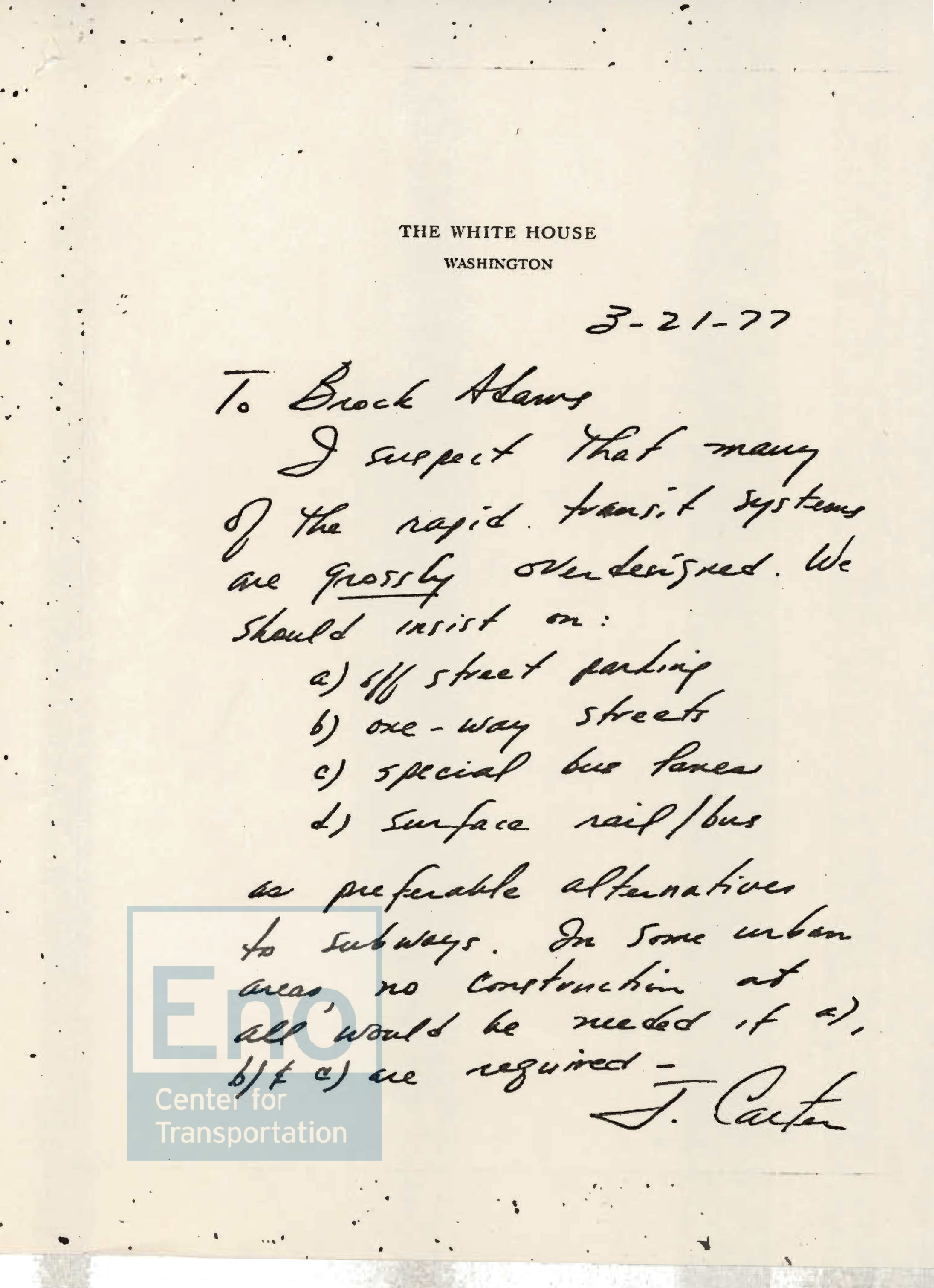
ENO CENTER FOR TRANSPORTATION2015-03-24 22:43:072023-04-28 14:08:421977 President Carter Handwritten Note to Sec. Adams Opposing New Subway Systems
https://enotrans.org/wp-content/uploads/2022/12/Eno-Logo-2.png
0
0
Paul Lewis
https://enotrans.org/wp-content/uploads/2022/12/Eno-Logo-2.png
Paul Lewis2015-02-19 17:11:582023-04-17 07:13:56Funding for freight can be a critical element for the next transportation bill
https://enotrans.org/wp-content/uploads/2023/02/ETWExpress20150428tab1.png
472
900
Jeff Davis
https://enotrans.org/wp-content/uploads/2022/12/Eno-Logo-2.png
Jeff Davis2015-04-28 11:30:102023-07-28 02:11:45House’s FY 2016 USDOT Appropriations Bill Cuts Discretionary Spending, Freezes Major HTF Accounts; Bans Some Cuba Travel
https://enotrans.org/wp-content/uploads/2022/12/Eno-Logo-2.png
0
0
Karen Price
https://enotrans.org/wp-content/uploads/2022/12/Eno-Logo-2.png
Karen Price2015-04-19 18:17:482023-04-17 07:12:05Virginia’s Commitment to Transit Funding Creates a Wealth of New Projects Benefiting the Commonwealth
https://enotrans.org/wp-content/uploads/2022/12/Eno-Logo-2.png
0
0
Jeff Davis
https://enotrans.org/wp-content/uploads/2022/12/Eno-Logo-2.png
Jeff Davis2015-03-30 13:48:422023-07-28 02:11:53White House Transmits New GROW AMERICA Bill to Congress
https://enotrans.org/wp-content/uploads/2023/02/membersOnly-1977-03-21-Carter-to-Adams-handwritten-transit-letter-pdf.jpg
1295
939
ENO CENTER FOR TRANSPORTATION
https://enotrans.org/wp-content/uploads/2022/12/Eno-Logo-2.png
ENO CENTER FOR TRANSPORTATION2015-03-24 22:43:072023-04-28 14:08:421977 President Carter Handwritten Note to Sec. Adams Opposing New Subway Systems
https://enotrans.org/wp-content/uploads/2022/12/Eno-Logo-2.png
0
0
Paul Lewis
https://enotrans.org/wp-content/uploads/2022/12/Eno-Logo-2.png
Paul Lewis2015-02-19 17:11:582023-04-17 07:13:56Funding for freight can be a critical element for the next transportation billSafer Railroading: A Guide Toward Targeted Safety Policy

Railroads are among the safest modes of transportation for workers, riders, and the public. Strong federal standards for railroad track and operations, technological investments like positive train control, and communities’ infrastructure improvements have yielded significant gains. But most of these gains have plateaued and in some cases safety trends are moving in the wrong direction. A new strategy and framework is needed to address the most significant safety issues facing railroads. This report explores trends in railroad safety data and actionable recommendations for federal, state, local, and private sector actors to make a demonstrable improvement in railroad safety.