
 https://enotrans.org/wp-content/uploads/2023/02/membersOnly-1943railroadseizure.compressed-pdf.jpg
1663
1315
ENO CENTER FOR TRANSPORTATION
https://enotrans.org/wp-content/uploads/2022/12/Eno-Logo-2.png
ENO CENTER FOR TRANSPORTATION2015-10-09 18:13:222023-04-28 14:10:141943 Seizure of the Railroad Industry
https://enotrans.org/wp-content/uploads/2023/02/membersOnly-1943railroadseizure.compressed-pdf.jpg
1663
1315
ENO CENTER FOR TRANSPORTATION
https://enotrans.org/wp-content/uploads/2022/12/Eno-Logo-2.png
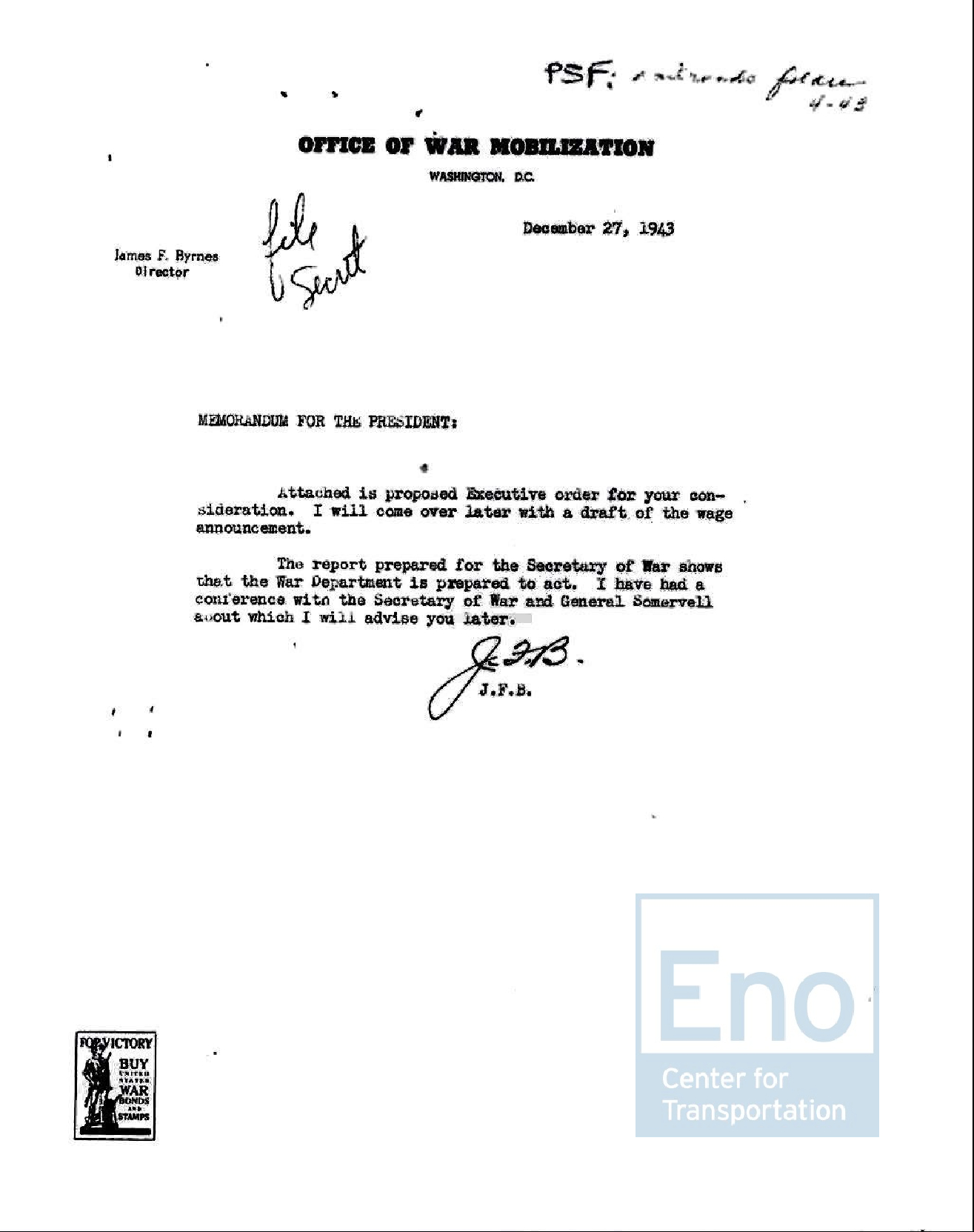
ENO CENTER FOR TRANSPORTATION2015-10-09 18:13:222023-04-28 14:10:141943 Seizure of the Railroad IndustryRailroads have been a vital presence in American transportation for nearly 200 years moving both passengers and freight efficiently and effectively. Freight railroads in the United States are mostly owned by private companies, who maintain and operate their own networks. Passenger systems, whether through Amtrak or various commuter railroads, require public assistance and either operate on their own track or pay to use freight railroad-owned track.
https://enotrans.org/wp-content/uploads/2023/02/membersOnly-1943railroadseizure.compressed-pdf.jpg
1663
1315
ENO CENTER FOR TRANSPORTATION
https://enotrans.org/wp-content/uploads/2022/12/Eno-Logo-2.png
ENO CENTER FOR TRANSPORTATION2015-10-09 18:13:222023-04-28 14:10:141943 Seizure of the Railroad Industry https://enotrans.org/wp-content/uploads/2022/12/Eno-Logo-2.png
0
0
Jeff Davis
https://enotrans.org/wp-content/uploads/2022/12/Eno-Logo-2.png
Jeff Davis2015-10-08 19:08:382023-04-17 06:30:16Senate Committee Approves Bill Giving USDOT Power to Appoint WMATA Board Members
https://enotrans.org/wp-content/uploads/2022/12/Eno-Logo-2.png
0
0
Emily Han
https://enotrans.org/wp-content/uploads/2022/12/Eno-Logo-2.png
Emily Han2015-10-08 18:58:322023-04-17 06:30:19Future Of Stand-Alone PTC Deadline Extension Uncertain
https://enotrans.org/wp-content/uploads/2022/12/Eno-Logo-2.png
0
0
Jeff Davis
https://enotrans.org/wp-content/uploads/2022/12/Eno-Logo-2.png
Jeff Davis2015-10-08 19:08:382023-04-17 06:30:16Senate Committee Approves Bill Giving USDOT Power to Appoint WMATA Board Members
https://enotrans.org/wp-content/uploads/2022/12/Eno-Logo-2.png
0
0
Emily Han
https://enotrans.org/wp-content/uploads/2022/12/Eno-Logo-2.png
Emily Han2015-10-08 18:58:322023-04-17 06:30:19Future Of Stand-Alone PTC Deadline Extension Uncertain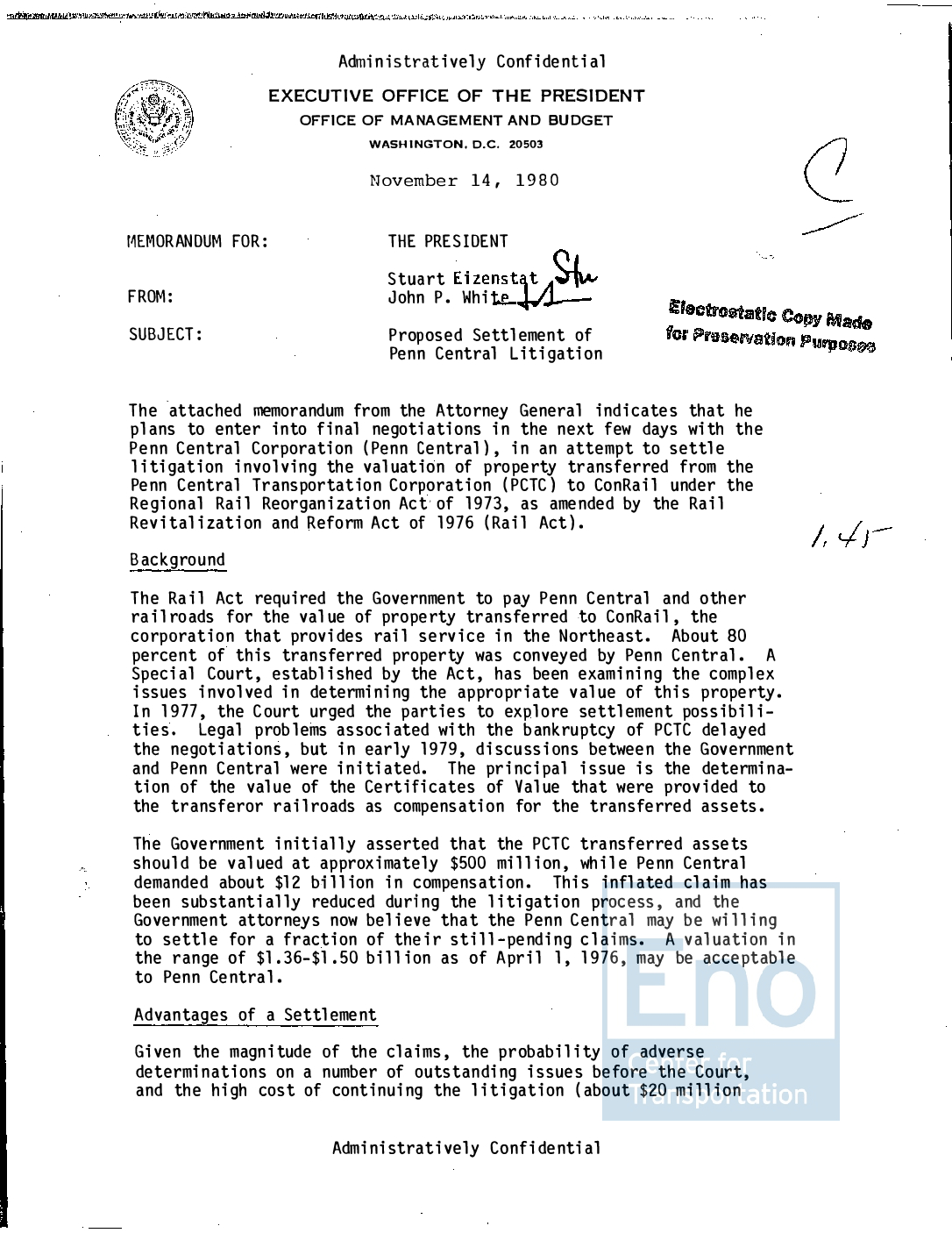 https://enotrans.org/wp-content/uploads/2023/02/membersOnly-1980-Carter-briefing-on-Penn-Central-settlement-pdf.jpg
1406
1086
ENO CENTER FOR TRANSPORTATION
https://enotrans.org/wp-content/uploads/2022/12/Eno-Logo-2.png
ENO CENTER FOR TRANSPORTATION2015-10-08 11:17:062023-04-28 14:10:131980 Briefing for President Carter on the Proposed Penn Central Settlement
https://enotrans.org/wp-content/uploads/2023/02/membersOnly-1980-Carter-briefing-on-Penn-Central-settlement-pdf.jpg
1406
1086
ENO CENTER FOR TRANSPORTATION
https://enotrans.org/wp-content/uploads/2022/12/Eno-Logo-2.png
ENO CENTER FOR TRANSPORTATION2015-10-08 11:17:062023-04-28 14:10:131980 Briefing for President Carter on the Proposed Penn Central Settlement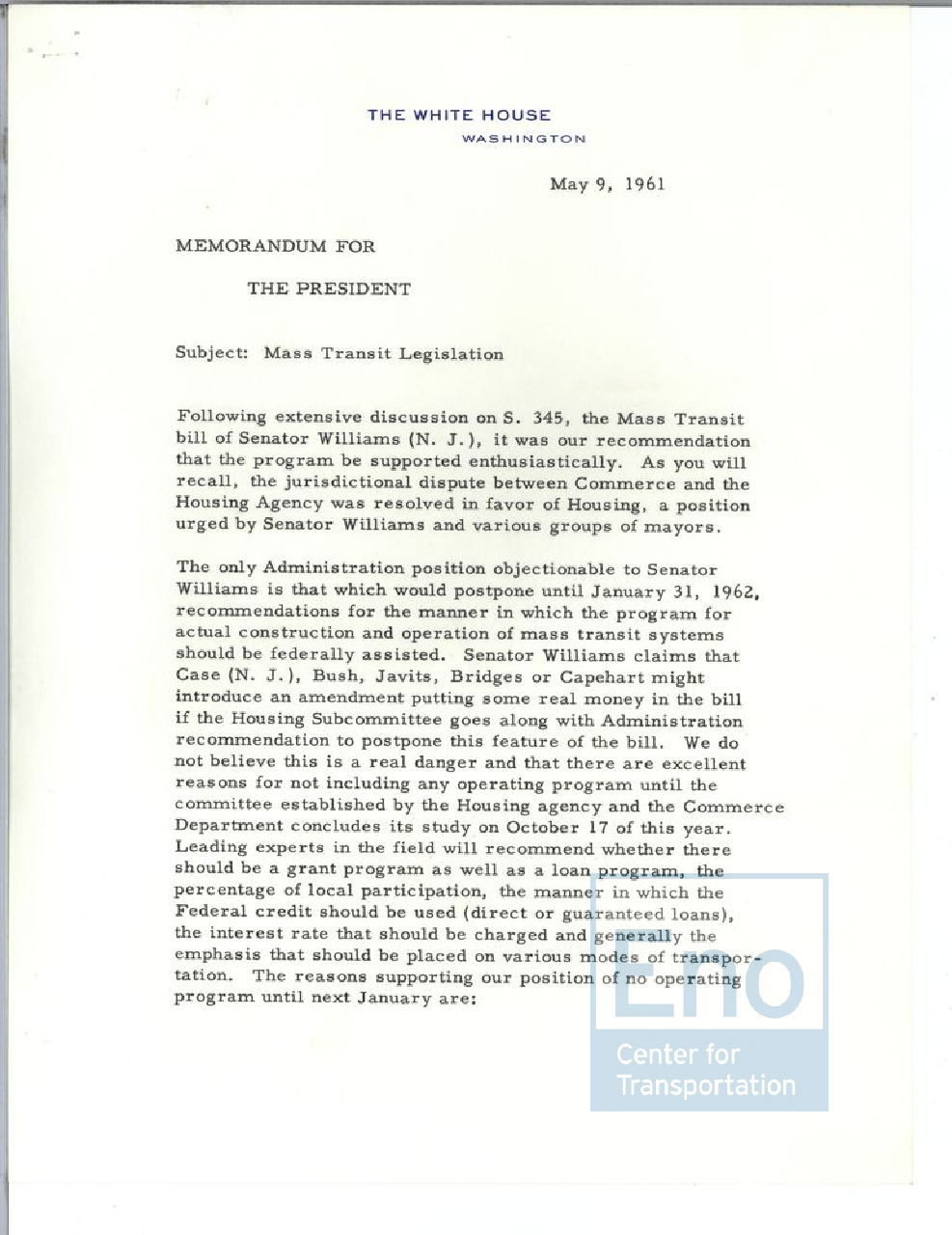 https://enotrans.org/wp-content/uploads/2023/02/membersOnly-1961-05-09-White-to-JFK-transit-memo-pdf.jpg
1280
987
ENO CENTER FOR TRANSPORTATION
https://enotrans.org/wp-content/uploads/2022/12/Eno-Logo-2.png
ENO CENTER FOR TRANSPORTATION2015-10-03 02:23:072023-04-28 14:10:091961 (May 9) Lee White Memo to JFK on Mass Transit Legislation
https://enotrans.org/wp-content/uploads/2023/02/membersOnly-1961-05-09-White-to-JFK-transit-memo-pdf.jpg
1280
987
ENO CENTER FOR TRANSPORTATION
https://enotrans.org/wp-content/uploads/2022/12/Eno-Logo-2.png
ENO CENTER FOR TRANSPORTATION2015-10-03 02:23:072023-04-28 14:10:091961 (May 9) Lee White Memo to JFK on Mass Transit Legislation https://enotrans.org/wp-content/uploads/2023/02/Screen-Shot-2015-10-02-at-6.47.01-AM.png
1140
2036
Emily Han
https://enotrans.org/wp-content/uploads/2022/12/Eno-Logo-2.png
Emily Han2015-10-02 03:20:332023-04-17 06:32:09Congress May Move Free-Standing PTC Deadline Extension Bill
https://enotrans.org/wp-content/uploads/2023/02/Screen-Shot-2015-10-02-at-6.47.01-AM.png
1140
2036
Emily Han
https://enotrans.org/wp-content/uploads/2022/12/Eno-Logo-2.png
Emily Han2015-10-02 03:20:332023-04-17 06:32:09Congress May Move Free-Standing PTC Deadline Extension Bill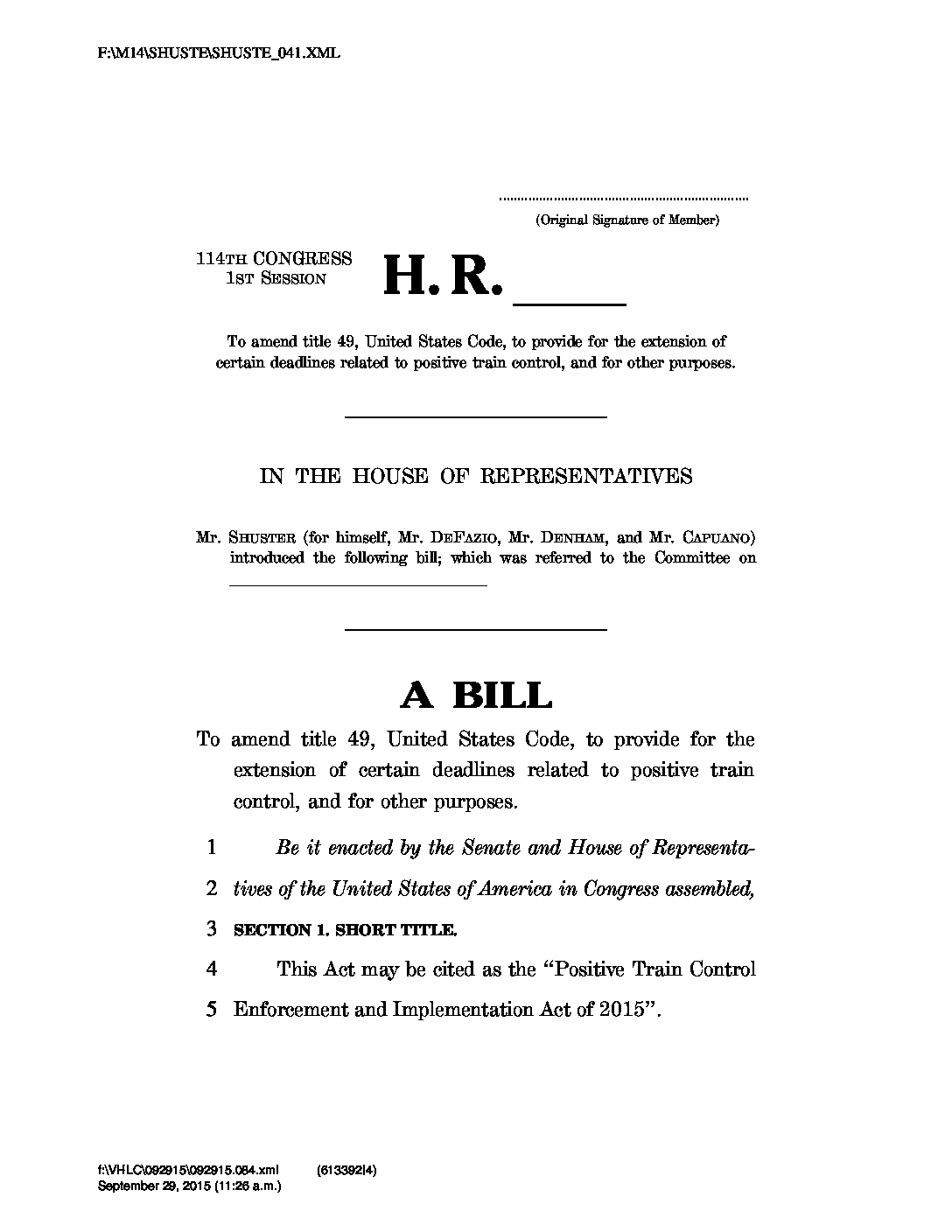 https://enotrans.org/wp-content/uploads/2023/02/HousePTC-pdf.jpg
1408
1088
ENO CENTER FOR TRANSPORTATION
https://enotrans.org/wp-content/uploads/2022/12/Eno-Logo-2.png
ENO CENTER FOR TRANSPORTATION2015-09-30 15:07:402023-04-28 14:10:08H.R. 3651, House 3-Year Positive Train Control (PTC) Deadline Extension
https://enotrans.org/wp-content/uploads/2022/12/Eno-Logo-2.png
0
0
ENO CENTER FOR TRANSPORTATION
https://enotrans.org/wp-content/uploads/2022/12/Eno-Logo-2.png
ENO CENTER FOR TRANSPORTATION2015-09-29 22:53:112023-04-28 14:10:08FY 2009 Transportation Appropriations – Senate Hearings
https://enotrans.org/wp-content/uploads/2022/12/Eno-Logo-2.png
0
0
ENO CENTER FOR TRANSPORTATION
https://enotrans.org/wp-content/uploads/2022/12/Eno-Logo-2.png
ENO CENTER FOR TRANSPORTATION2015-09-29 22:51:122023-04-28 14:10:08FY 2008 Transportation Appropriations – Senate Hearings
https://enotrans.org/wp-content/uploads/2022/12/Eno-Logo-2.png
0
0
ENO CENTER FOR TRANSPORTATION
https://enotrans.org/wp-content/uploads/2022/12/Eno-Logo-2.png
ENO CENTER FOR TRANSPORTATION2015-09-29 22:49:142023-04-28 14:10:08FY 2007 Transportation Appropriations – Senate Hearings
https://enotrans.org/wp-content/uploads/2023/02/HousePTC-pdf.jpg
1408
1088
ENO CENTER FOR TRANSPORTATION
https://enotrans.org/wp-content/uploads/2022/12/Eno-Logo-2.png
ENO CENTER FOR TRANSPORTATION2015-09-30 15:07:402023-04-28 14:10:08H.R. 3651, House 3-Year Positive Train Control (PTC) Deadline Extension
https://enotrans.org/wp-content/uploads/2022/12/Eno-Logo-2.png
0
0
ENO CENTER FOR TRANSPORTATION
https://enotrans.org/wp-content/uploads/2022/12/Eno-Logo-2.png
ENO CENTER FOR TRANSPORTATION2015-09-29 22:53:112023-04-28 14:10:08FY 2009 Transportation Appropriations – Senate Hearings
https://enotrans.org/wp-content/uploads/2022/12/Eno-Logo-2.png
0
0
ENO CENTER FOR TRANSPORTATION
https://enotrans.org/wp-content/uploads/2022/12/Eno-Logo-2.png
ENO CENTER FOR TRANSPORTATION2015-09-29 22:51:122023-04-28 14:10:08FY 2008 Transportation Appropriations – Senate Hearings
https://enotrans.org/wp-content/uploads/2022/12/Eno-Logo-2.png
0
0
ENO CENTER FOR TRANSPORTATION
https://enotrans.org/wp-content/uploads/2022/12/Eno-Logo-2.png
ENO CENTER FOR TRANSPORTATION2015-09-29 22:49:142023-04-28 14:10:08FY 2007 Transportation Appropriations – Senate Hearings https://enotrans.org/wp-content/uploads/2023/02/membersOnly-NEXTEA-apportionment-formulas-pdf.jpg
1408
1088
ENO CENTER FOR TRANSPORTATION
https://enotrans.org/wp-content/uploads/2022/12/Eno-Logo-2.png
ENO CENTER FOR TRANSPORTATION2015-09-26 22:21:382023-04-28 14:10:051997 NEXTEA (Administration Bill) Summary of Proposed Changes to Highway Formulas
https://enotrans.org/wp-content/uploads/2023/02/membersOnly-NEXTEAsecbysecpt2-pdf.jpg
1408
1088
ENO CENTER FOR TRANSPORTATION
https://enotrans.org/wp-content/uploads/2022/12/Eno-Logo-2.png
ENO CENTER FOR TRANSPORTATION2015-09-26 22:16:232023-04-28 14:10:051997 NEXTEA (Administration Bill) Section-by-Section Summary – Part 2
https://enotrans.org/wp-content/uploads/2023/02/membersOnly-NEXTEA-apportionment-formulas-pdf.jpg
1408
1088
ENO CENTER FOR TRANSPORTATION
https://enotrans.org/wp-content/uploads/2022/12/Eno-Logo-2.png
ENO CENTER FOR TRANSPORTATION2015-09-26 22:21:382023-04-28 14:10:051997 NEXTEA (Administration Bill) Summary of Proposed Changes to Highway Formulas
https://enotrans.org/wp-content/uploads/2023/02/membersOnly-NEXTEAsecbysecpt2-pdf.jpg
1408
1088
ENO CENTER FOR TRANSPORTATION
https://enotrans.org/wp-content/uploads/2022/12/Eno-Logo-2.png
ENO CENTER FOR TRANSPORTATION2015-09-26 22:16:232023-04-28 14:10:051997 NEXTEA (Administration Bill) Section-by-Section Summary – Part 2Safer Railroading: A Guide Toward Targeted Safety Policy
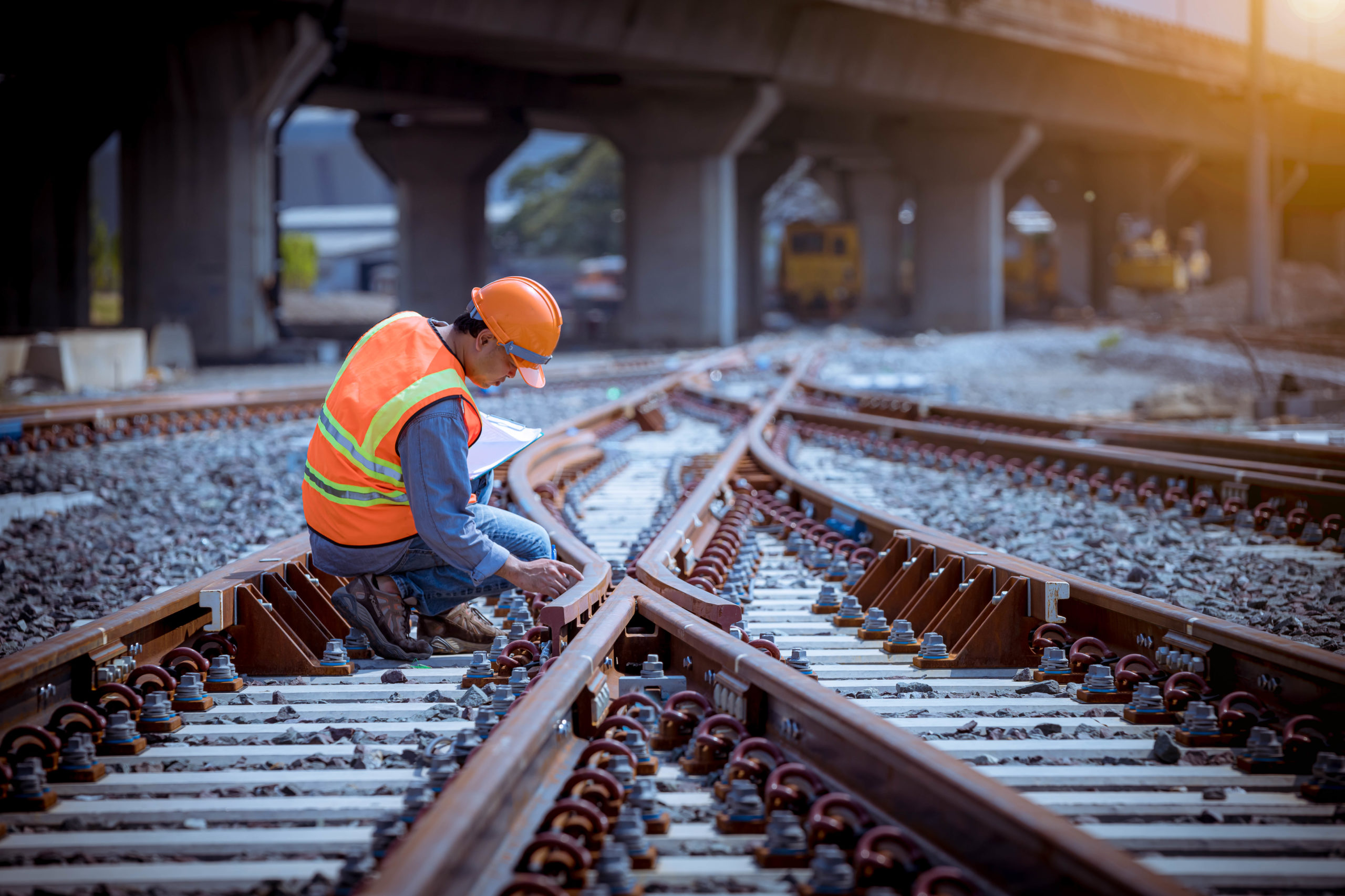
Railroads are among the safest modes of transportation for workers, riders, and the public. Strong federal standards for railroad track and operations, technological investments like positive train control, and communities’ infrastructure improvements have yielded significant gains. But most of these gains have plateaued and in some cases safety trends are moving in the wrong direction. A new strategy and framework is needed to address the most significant safety issues facing railroads. This report explores trends in railroad safety data and actionable recommendations for federal, state, local, and private sector actors to make a demonstrable improvement in railroad safety.