
 https://enotrans.org/wp-content/uploads/2023/01/iStock-135873262-e1512752245409.jpg
502
750
Jeff Davis
https://enotrans.org/wp-content/uploads/2022/12/Eno-Logo-2.png
Jeff Davis2017-12-08 16:25:142023-04-17 09:36:27DOT Withdraws ECP Brake Rule
https://enotrans.org/wp-content/uploads/2023/01/iStock-135873262-e1512752245409.jpg
502
750
Jeff Davis
https://enotrans.org/wp-content/uploads/2022/12/Eno-Logo-2.png
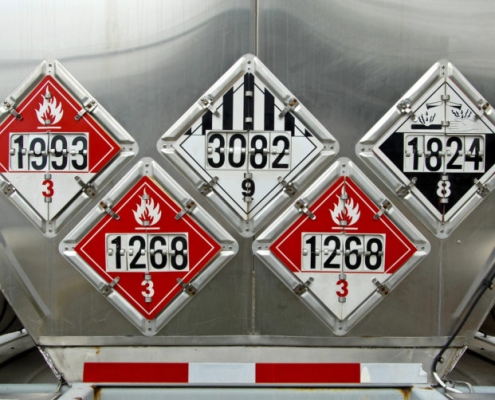
Jeff Davis2017-12-08 16:25:142023-04-17 09:36:27DOT Withdraws ECP Brake RuleRailroads have been a vital presence in American transportation for nearly 200 years moving both passengers and freight efficiently and effectively. Freight railroads in the United States are mostly owned by private companies, who maintain and operate their own networks. Passenger systems, whether through Amtrak or various commuter railroads, require public assistance and either operate on their own track or pay to use freight railroad-owned track.
https://enotrans.org/wp-content/uploads/2023/01/iStock-135873262-e1512752245409.jpg
502
750
Jeff Davis
https://enotrans.org/wp-content/uploads/2022/12/Eno-Logo-2.png
Jeff Davis2017-12-08 16:25:142023-04-17 09:36:27DOT Withdraws ECP Brake Rule https://enotrans.org/wp-content/uploads/2022/12/Eno-Logo-2.png
0
0
Jeff Davis
https://enotrans.org/wp-content/uploads/2022/12/Eno-Logo-2.png
Jeff Davis2017-12-08 13:29:292023-04-17 09:38:33Capitol Hill Events – Week of December 11, 2017
https://enotrans.org/wp-content/uploads/2022/12/Eno-Logo-2.png
0
0
Jeff Davis
https://enotrans.org/wp-content/uploads/2022/12/Eno-Logo-2.png
Jeff Davis2017-12-08 13:29:292023-04-17 09:38:33Capitol Hill Events – Week of December 11, 2017 https://enotrans.org/wp-content/uploads/2023/01/GOP-tax-reform-logo-e1510869345338.png
442
650
Jeff Davis
https://enotrans.org/wp-content/uploads/2022/12/Eno-Logo-2.png
Jeff Davis2017-12-01 22:15:532023-04-17 09:39:01Tax Bill Debate Continues in Senate as Infrastructure Amendments Debated
https://enotrans.org/wp-content/uploads/2023/01/GOP-tax-reform-logo-e1510869345338.png
442
650
Jeff Davis
https://enotrans.org/wp-content/uploads/2022/12/Eno-Logo-2.png
Jeff Davis2017-12-01 22:15:532023-04-17 09:39:01Tax Bill Debate Continues in Senate as Infrastructure Amendments Debated https://enotrans.org/wp-content/uploads/2023/01/CAHSR-train-e1501873171613.png
508
750
Jeff Davis
https://enotrans.org/wp-content/uploads/2022/12/Eno-Logo-2.png
Jeff Davis2017-12-01 19:22:472023-04-17 09:40:10Books Closed on FY17; $248 Million in ARRA High Speed Rail Funding Vanishes Unspent
https://enotrans.org/wp-content/uploads/2023/01/CAHSR-train-e1501873171613.png
508
750
Jeff Davis
https://enotrans.org/wp-content/uploads/2022/12/Eno-Logo-2.png
Jeff Davis2017-12-01 19:22:472023-04-17 09:40:10Books Closed on FY17; $248 Million in ARRA High Speed Rail Funding Vanishes Unspent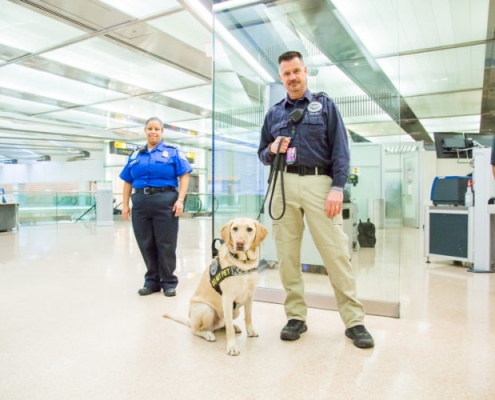 https://enotrans.org/wp-content/uploads/2023/01/141204_iad-020-e1487341833442.jpg
500
750
Jeff Davis
https://enotrans.org/wp-content/uploads/2022/12/Eno-Logo-2.png
Jeff Davis2017-11-22 02:19:032023-06-27 19:16:42Senate Chairman Releases FY18 Homeland Appropriations Bill
https://enotrans.org/wp-content/uploads/2023/01/141204_iad-020-e1487341833442.jpg
500
750
Jeff Davis
https://enotrans.org/wp-content/uploads/2022/12/Eno-Logo-2.png
Jeff Davis2017-11-22 02:19:032023-06-27 19:16:42Senate Chairman Releases FY18 Homeland Appropriations Bill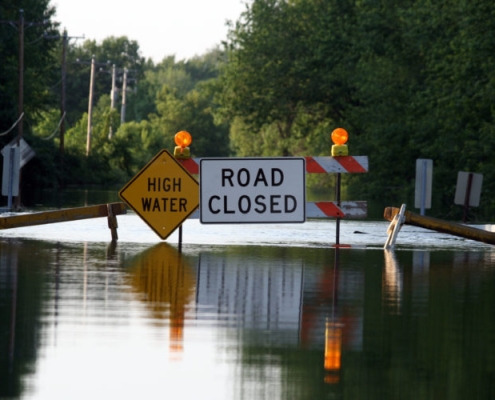 https://enotrans.org/wp-content/uploads/2023/01/iStock-147243623-e1511297332312.jpg
500
750
Emil Frankel
https://enotrans.org/wp-content/uploads/2022/12/Eno-Logo-2.png
Emil Frankel2017-11-22 00:23:562023-04-17 09:41:59Guest Op-Ed: Resilient Infrastructure Can Help Us Adapt to a Warmer World
https://enotrans.org/wp-content/uploads/2023/01/iStock-147243623-e1511297332312.jpg
500
750
Emil Frankel
https://enotrans.org/wp-content/uploads/2022/12/Eno-Logo-2.png
Emil Frankel2017-11-22 00:23:562023-04-17 09:41:59Guest Op-Ed: Resilient Infrastructure Can Help Us Adapt to a Warmer World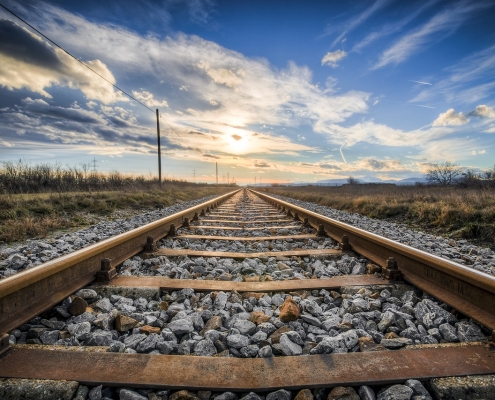 https://enotrans.org/wp-content/uploads/2023/01/gleise-1555348_1280.jpg
853
1280
Herman Haksteen
https://enotrans.org/wp-content/uploads/2022/12/Eno-Logo-2.png
Herman Haksteen2017-11-15 21:18:012023-06-27 19:16:44Op-Ed: How Can We Get Rail Freight Service Back to Work for the American Consumer?
https://enotrans.org/wp-content/uploads/2023/01/gleise-1555348_1280.jpg
853
1280
Herman Haksteen
https://enotrans.org/wp-content/uploads/2022/12/Eno-Logo-2.png
Herman Haksteen2017-11-15 21:18:012023-06-27 19:16:44Op-Ed: How Can We Get Rail Freight Service Back to Work for the American Consumer?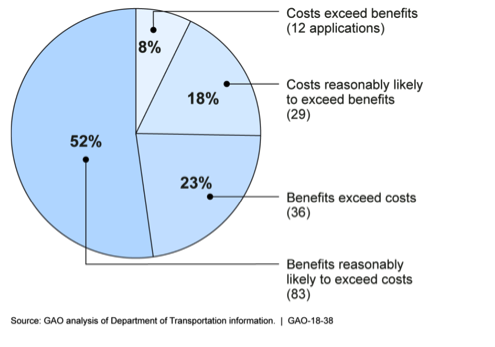 https://enotrans.org/wp-content/uploads/2023/01/GAO-FASTLANE-3.png
347
525
Paul Lewis
https://enotrans.org/wp-content/uploads/2022/12/Eno-Logo-2.png
Paul Lewis2017-11-09 21:38:422023-06-27 19:16:45GAO, in Line with Eno, Recommends More Transparency for Federal Discretionary Grants.
https://enotrans.org/wp-content/uploads/2022/12/Eno-Logo-2.png
0
0
Jeff Davis
https://enotrans.org/wp-content/uploads/2022/12/Eno-Logo-2.png
Jeff Davis2017-11-03 13:20:552023-04-17 09:53:00Capitol Hill Events – Week of November 6, 2017
https://enotrans.org/wp-content/uploads/2023/01/GAO-FASTLANE-3.png
347
525
Paul Lewis
https://enotrans.org/wp-content/uploads/2022/12/Eno-Logo-2.png
Paul Lewis2017-11-09 21:38:422023-06-27 19:16:45GAO, in Line with Eno, Recommends More Transparency for Federal Discretionary Grants.
https://enotrans.org/wp-content/uploads/2022/12/Eno-Logo-2.png
0
0
Jeff Davis
https://enotrans.org/wp-content/uploads/2022/12/Eno-Logo-2.png
Jeff Davis2017-11-03 13:20:552023-04-17 09:53:00Capitol Hill Events – Week of November 6, 2017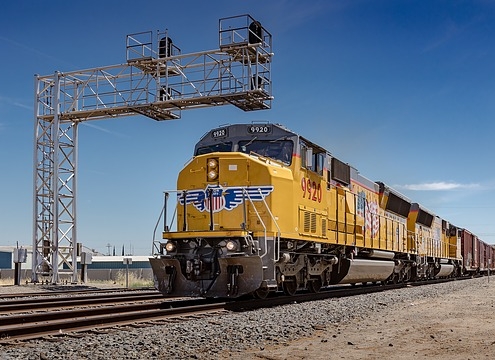 https://enotrans.org/wp-content/uploads/2023/01/usa-2132383_640.jpg
360
640
Ian Jefferies
https://enotrans.org/wp-content/uploads/2022/12/Eno-Logo-2.png
Ian Jefferies2017-11-01 20:41:072023-04-17 09:54:22Op-Ed: Freight Rail is a Driver of Innovation
https://enotrans.org/wp-content/uploads/2023/01/usa-2132383_640.jpg
360
640
Ian Jefferies
https://enotrans.org/wp-content/uploads/2022/12/Eno-Logo-2.png
Ian Jefferies2017-11-01 20:41:072023-04-17 09:54:22Op-Ed: Freight Rail is a Driver of Innovation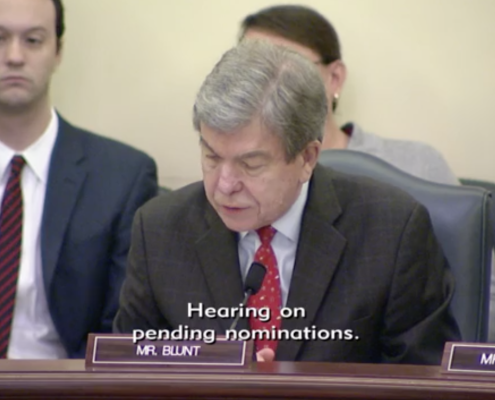 https://enotrans.org/wp-content/uploads/2023/01/Commerce-Committee.png
770
1380
Greg Rogers
https://enotrans.org/wp-content/uploads/2022/12/Eno-Logo-2.png
Greg Rogers2017-11-01 20:39:042023-04-17 09:54:26Senate Commerce Questions Four Trump Transportation Nominees
https://enotrans.org/wp-content/uploads/2023/01/f400-outlays-FY08-17.png
527
902
Jeff Davis
https://enotrans.org/wp-content/uploads/2022/12/Eno-Logo-2.png
Jeff Davis2017-10-27 13:38:202023-06-27 19:16:47FY17 Year-End Budget Totals: $93.9 Billion for Transportation
https://enotrans.org/wp-content/uploads/2023/01/Commerce-Committee.png
770
1380
Greg Rogers
https://enotrans.org/wp-content/uploads/2022/12/Eno-Logo-2.png
Greg Rogers2017-11-01 20:39:042023-04-17 09:54:26Senate Commerce Questions Four Trump Transportation Nominees
https://enotrans.org/wp-content/uploads/2023/01/f400-outlays-FY08-17.png
527
902
Jeff Davis
https://enotrans.org/wp-content/uploads/2022/12/Eno-Logo-2.png
Jeff Davis2017-10-27 13:38:202023-06-27 19:16:47FY17 Year-End Budget Totals: $93.9 Billion for TransportationSafer Railroading: A Guide Toward Targeted Safety Policy
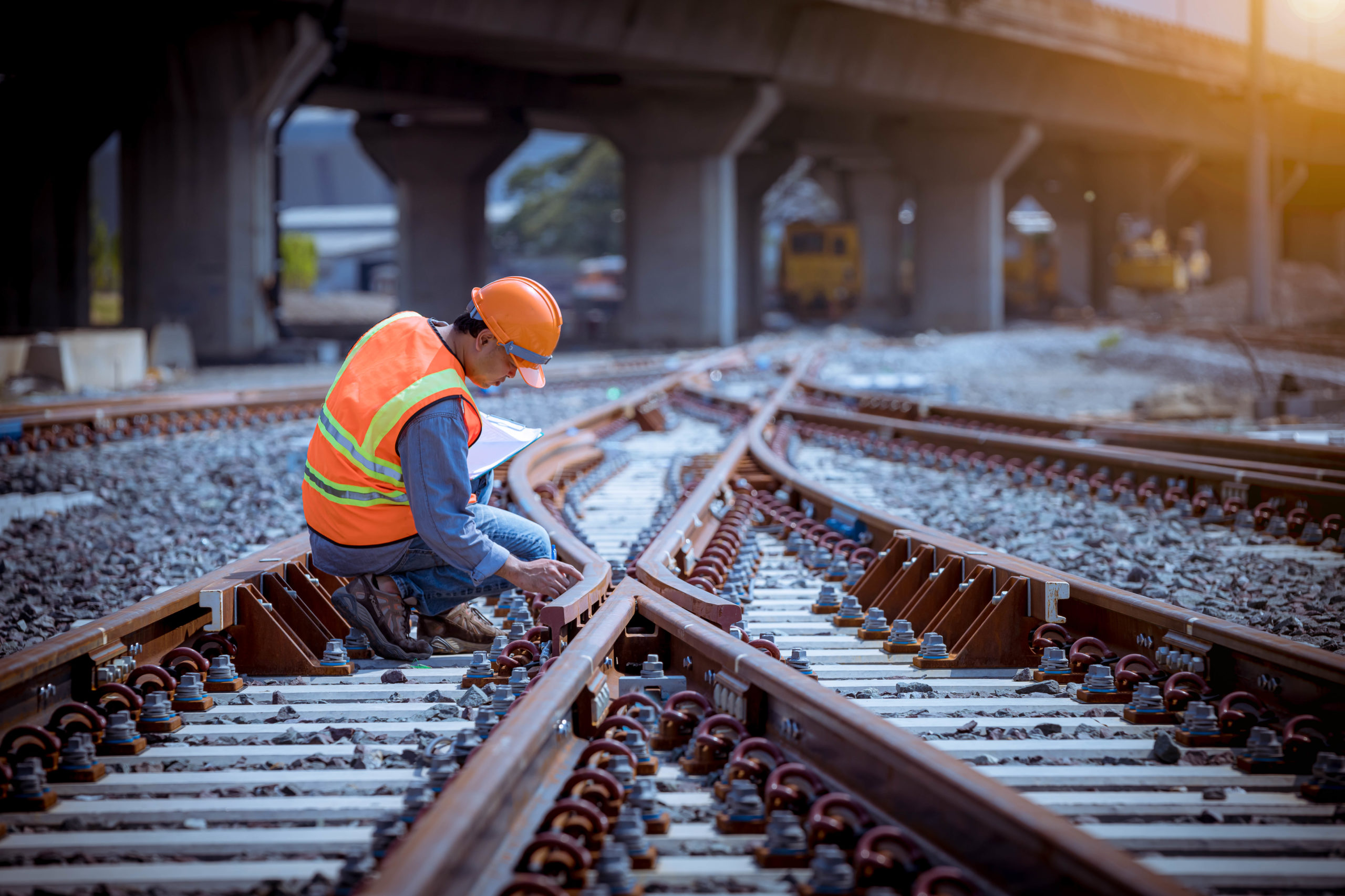
Railroads are among the safest modes of transportation for workers, riders, and the public. Strong federal standards for railroad track and operations, technological investments like positive train control, and communities’ infrastructure improvements have yielded significant gains. But most of these gains have plateaued and in some cases safety trends are moving in the wrong direction. A new strategy and framework is needed to address the most significant safety issues facing railroads. This report explores trends in railroad safety data and actionable recommendations for federal, state, local, and private sector actors to make a demonstrable improvement in railroad safety.