
 https://enotrans.org/wp-content/uploads/2023/02/railroad-railway-rail-safety-track-train-worker-scaled-7.jpg
1706
2560
Paul Lewis
https://enotrans.org/wp-content/uploads/2022/12/Eno-Logo-2.png
Paul Lewis2022-05-13 18:39:302023-04-14 11:23:41Surface Transportation Board Reauthorization Hearing Previews Future Rulings
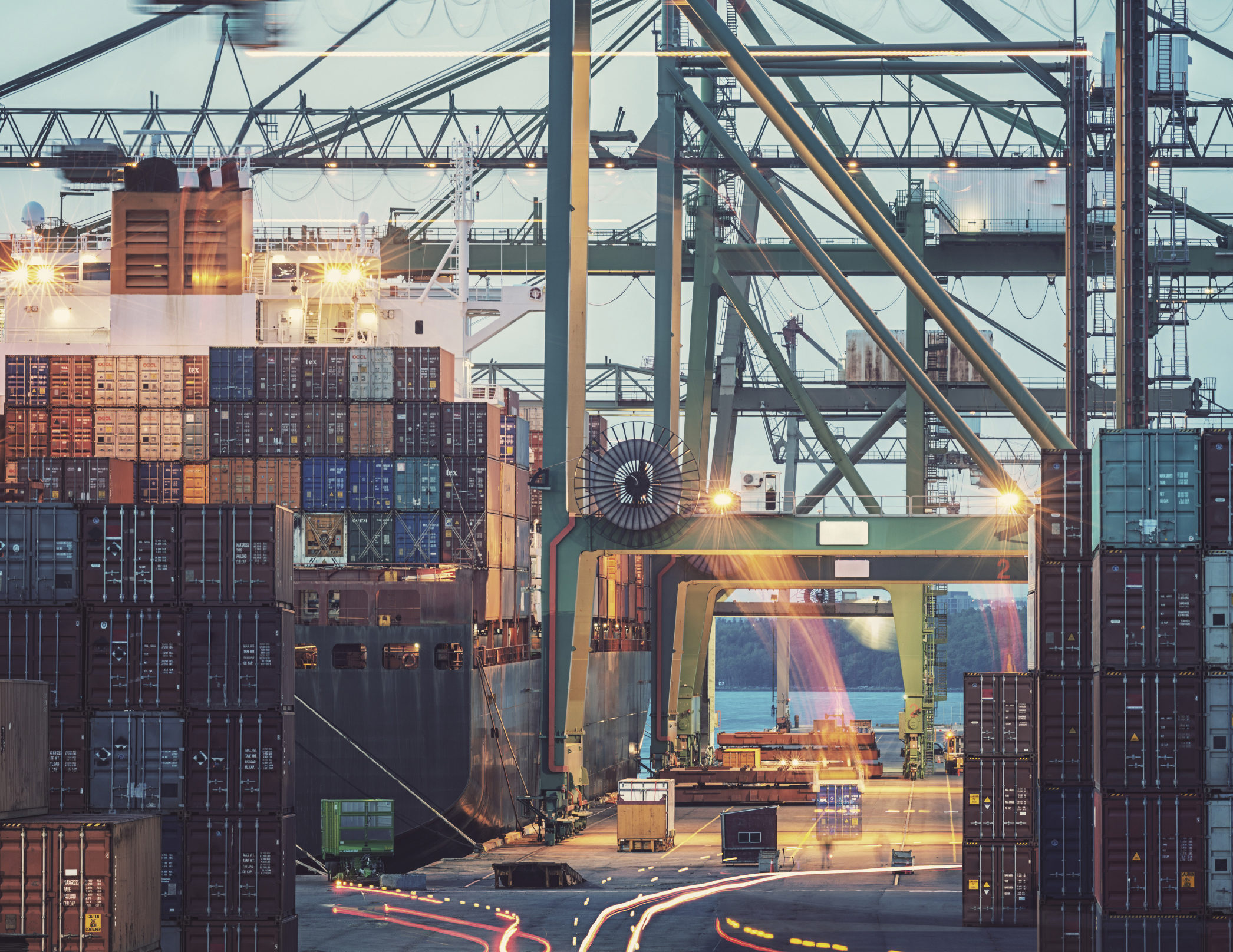
As the American economy grows, so does the volume of freight. Expanding supply chains, just-in-time deliveries, and increasing competition means freight demand has grown faster than the population. Over 50 million tons of freight move across the U.S. transportation network every day on truck, train, barge, pipeline, and plane, with each mode responsible for carrying different goods in an interrelated network. Federal grant programs aim to target funding to freight bottlenecks and intermodal connectors while also supporting experiments in drone delivery. At the local level, policymakers are placing emphasis on managing curb space, reducing emissions, and more efficiently using space to deliver packages, food, and other essentials.
https://enotrans.org/wp-content/uploads/2023/02/railroad-railway-rail-safety-track-train-worker-scaled-7.jpg
1706
2560
Paul Lewis
https://enotrans.org/wp-content/uploads/2022/12/Eno-Logo-2.png
Paul Lewis2022-05-13 18:39:302023-04-14 11:23:41Surface Transportation Board Reauthorization Hearing Previews Future Rulings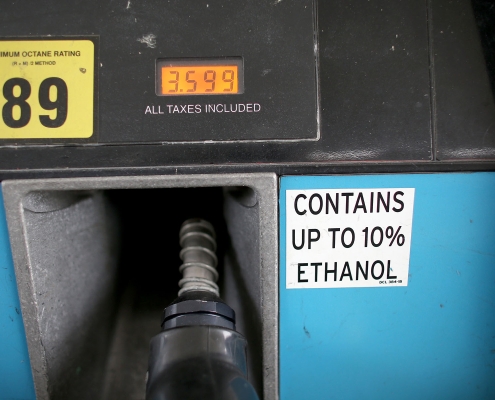 https://enotrans.org/wp-content/uploads/2022/12/ethanol-at-gas-pump.jpg
1200
2000
Jeff Davis
https://enotrans.org/wp-content/uploads/2022/12/Eno-Logo-2.png
Jeff Davis2022-05-13 18:34:282023-06-27 17:12:14Gasoline Prices Rise Again, Diesel Supplies Tightening in Northeast
 https://enotrans.org/wp-content/uploads/2023/01/lone-semi-truck.jpg
1280
1920
Jonathan Hammond
https://enotrans.org/wp-content/uploads/2022/12/Eno-Logo-2.png
Jonathan Hammond2022-04-29 18:29:302023-04-14 11:23:23Guest Op-Ed: Why Workforce Development Should Be Included in Freight Transportation Plans
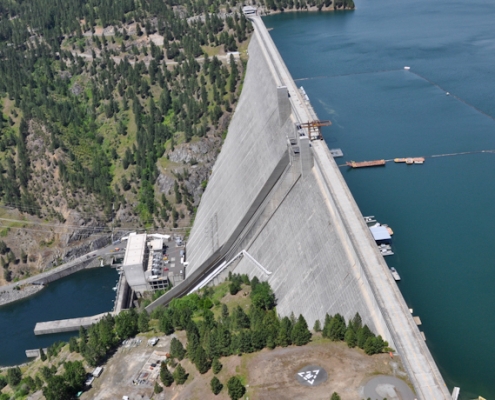 https://enotrans.org/wp-content/uploads/2023/02/Dworshak-dam.jpg
460
940
Jeff Davis
https://enotrans.org/wp-content/uploads/2022/12/Eno-Logo-2.png
Jeff Davis2022-04-01 19:08:472023-06-27 17:12:18Administration Again Proposes Unlikely Cuts in Corps Water Resources Budget
 https://enotrans.org/wp-content/uploads/2023/01/cargo-supply-chain-freight-port-maritime-boat-shipping.jpg
1396
2146
Jeff Davis
https://enotrans.org/wp-content/uploads/2022/12/Eno-Logo-2.png
Jeff Davis2022-04-01 19:06:342023-04-14 11:23:01Senate Passes Ocean Shipping Bill; Path to Reconciling With House Bill Unclear
 https://enotrans.org/wp-content/uploads/2023/02/iStock_19670716_LARGE-e1466005647958.jpg
500
750
Jonathan Hammond
https://enotrans.org/wp-content/uploads/2022/12/Eno-Logo-2.png
Jonathan Hammond2022-03-11 19:10:492023-04-14 11:22:34Guest Op-Ed: The Real Danger of Mandatory Reciprocal Switching Is Freight Rail Stagnation
 https://enotrans.org/wp-content/uploads/2023/02/water-768546_1280-e1495719336461.jpg
500
750
Jeff Davis
https://enotrans.org/wp-content/uploads/2022/12/Eno-Logo-2.png
Jeff Davis2022-03-11 17:13:362023-06-27 17:48:29What’s in the FY22 Omnibus: Water Resources Funding
 https://enotrans.org/wp-content/uploads/2022/12/Eno-Logo-2.png
0
0
ENO CENTER FOR TRANSPORTATION
https://enotrans.org/wp-content/uploads/2022/12/Eno-Logo-2.png
ENO CENTER FOR TRANSPORTATION2022-02-27 07:44:432025-08-14 14:18:17Links to the Text of Major Highway and Mass Transit Authorization Laws
https://enotrans.org/wp-content/uploads/2023/01/cargo-supply-chain-freight-port-maritime-boat-shipping.jpg
1396
2146
Madeline Gorman
https://enotrans.org/wp-content/uploads/2022/12/Eno-Logo-2.png
Madeline Gorman2022-02-24 17:24:522023-06-28 04:52:32Webinar: The Emerging Future of Supply Chains
 https://enotrans.org/wp-content/uploads/2023/01/maritime-boat-freight-port-ship.jpg
1499
2000
Katie Donahue
https://enotrans.org/wp-content/uploads/2022/12/Eno-Logo-2.png
Katie Donahue2022-02-11 20:05:102023-04-14 11:22:02Port of Long Beach Highlights Dredging Project in T&I’s WRDA Hearing
 https://enotrans.org/wp-content/uploads/2023/01/San_Juan_Port_cargo_ships.jpg
1010
1504
Jeff Davis
https://enotrans.org/wp-content/uploads/2022/12/Eno-Logo-2.png
Jeff Davis2022-02-11 10:12:582023-04-14 11:21:56Senate Confirms Balance-Shifting Nominee to Maritime Commission
https://enotrans.org/wp-content/uploads/2023/01/connectedcarsanimatedsignals-1.jpg
599
1000
Jonathan Hammond
https://enotrans.org/wp-content/uploads/2022/12/Eno-Logo-2.png
Jonathan Hammond2022-02-04 19:54:442023-04-14 11:21:47House Spins Wheels Reviewing Autonomous Vehicle Technology
Op-Ed: When Investing in Infrastructure, Invest in Freight
The lesson from the 2019 Infrastructure Week is that throwing money at the problem is not enough. Panel discussions, speeches, and presentations this week did not dwell on the proposed multi trillion dollar funding amount but focused rightly on what the goals and objectives of a federal investment…