Automated Vehicles, Electric Vehicles, Environment, Equity, Public health, Public transit, Shared Vehicles, TNCs, Transit Technology
/
Given its position as the largest, densest metropolitan region in the US, the City of Los Angeles stands to reap the most benefits or possibly suffer the greatest negative effects of the arrival of disruptive transportation technologies and new business models that rest on the acceleration of shared mobility, machine learning, clean energy, and big data. Urban Mobility in a Digital Age established LADOT’s vision for mobility in Los Angeles, anchored on the foundation of actively managed electric, shared, autonomous mobility that tackles congestion, enables economic mobility, enables equitable outcomes, and saves lives.
https://enotrans.org/wp-content/uploads/2023/04/digital_cities_city-lights-street-buildings-768x768-1.jpg184235Karen Pricehttps://enotrans.org/wp-content/uploads/2022/12/Eno-Logo-2.pngKaren Price2018-03-29 17:34:012023-04-17 09:07:08Op-Ed: How Los Angeles is Adapting Urban Mobility for our Digital Age
Each year, the Eno Future Leaders Development Conference (LDC) gives 20 of the nation’s top graduate students in transportation a first-hand look at how national transportation policies are developed. This year’s Fellows have just been announced.
https://enotrans.org/wp-content/uploads/2023/01/LDC_cover.jpg12802560Carolyn Dorfhttps://enotrans.org/wp-content/uploads/2022/12/Eno-Logo-2.pngCarolyn Dorf2018-03-29 17:32:302023-04-17 09:07:11Eno Announces the Future Development Conference Class of 2018
Federal credit programs like PABs are instrumental in fueling pioneering infrastructure projects that may not otherwise be feasible – projects that support transformational improvements that are unlocking our most congested cities.
Diversity in the workforce is a multi-layered conversation that both the public and private sector industries must address in their actions, policies, and inclusivity. The culture essential to diversity and inclusivity starts at the top and promotes hiring the best and most diverse talent, inclusivity, networking, mentoring, professional growth and talent development.
https://enotrans.org/wp-content/uploads/2023/01/coaching-coders-coding-7374-scaled.jpg17072560Jannet Walker Fordhttps://enotrans.org/wp-content/uploads/2022/12/Eno-Logo-2.pngJannet Walker Ford2018-03-29 17:24:122023-04-17 09:08:18Op-Ed: Building a Pipeline of Talented Women in Transportation
Transportation costs, after housing, are the biggest expenses in the budgets of most American households particularly for those settled along the urban fringe. Federal and local policies can help low-income households in a short term to spend less on transportation, but also, by providing access to opportunities, increases their chance of upward mobility.
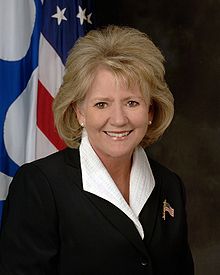
Dear Eno Members and Subscribers, It is my pleasure to serve as guest editor for this week’s Women’s Takeover edition of Eno Transportation Weekly. This week’s ETW was written, edited, and distributed completely by women in honor of Women’s History Month and includes contributions from a diverse group of leaders and experts…
https://enotrans.org/wp-content/uploads/2022/12/220px-Mary_Peters_official_DOT_portrait-1.jpg275220Mary E. Petershttps://enotrans.org/wp-content/uploads/2022/12/Eno-Logo-2.pngMary E. Peters2018-03-28 15:14:412023-06-27 19:13:20Letter from the Guest Editor, Mary Peters
Next week, Former USDOT secretary and current Eno Board member Mary Peters will serve as the guest editor of a special Women Take Over edition of Eno Transportation Weekly (ETW).
https://enotrans.org/wp-content/uploads/2023/01/ETW-Women-article-1.jpg13402560Karen Pricehttps://enotrans.org/wp-content/uploads/2022/12/Eno-Logo-2.pngKaren Price2018-03-23 00:12:172024-04-01 05:07:55ETW Special Edition – Women Take Over
https://enotrans.org/wp-content/uploads/2023/02/construction-site-2086521_1280.jpg8131280Jeff Davishttps://enotrans.org/wp-content/uploads/2022/12/Eno-Logo-2.pngJeff Davis2018-03-22 18:34:132023-04-17 09:11:26FY18 Omnibus: Was the Promise of $10 Billion in Extra Infrastructure Spending Kept?