The Last Exit: Fixing the Highway Trust Fund while Solvency is still Solvable
January 27, 2026 - As the Infrastructure Investment and Jobs Act’s advance appropriations expire in 2026, Congress faces a critical choice between locking in the efficiency, capacity, and ridership gains enabled by predictable rail funding...
Looking Down the Tracks: A Case for More Predictable Intercity Passenger Rail Funding
January 27, 2026 - As the Infrastructure Investment and Jobs Act’s advance appropriations expire in 2026, Congress faces a critical choice between locking in the efficiency, capacity, and ridership gains enabled by predictable rail funding...
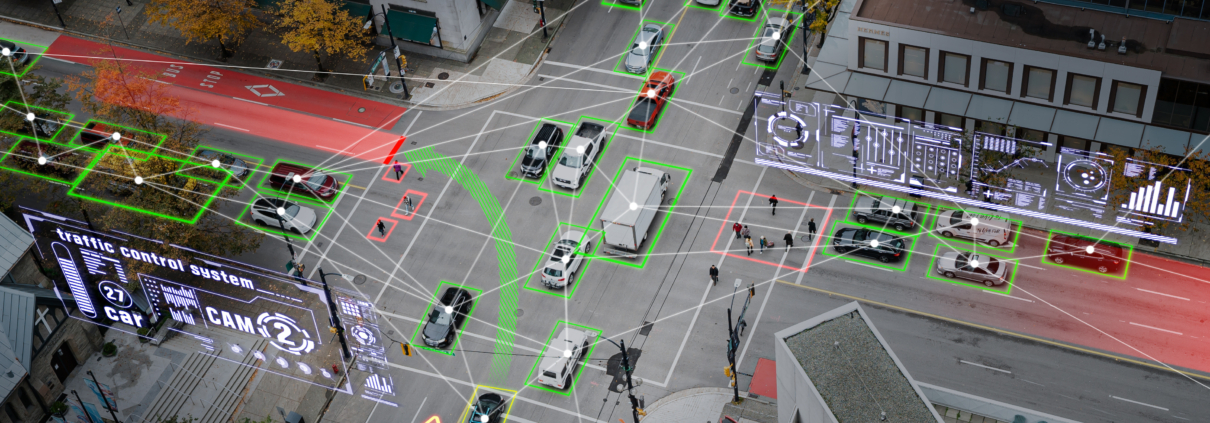
In the dynamic realm of transportation, artificial intelligence (AI) emerges as a pivotal force, revolutionizing how tasks are accomplished and potentials are unlocked. This article delves into the multifaceted role of AI in augmenting human capabilities and reshaping operations. From automated vehicles to intuitive maps and tailored recommendations, AI permeates consumer interfaces, promising improved safety, streamlined operations, and cost-efficiency. However, integrating AI into this sector demands a profound understanding of its intricacies and challenges, given the weight of accountability and stringent regulations. The article emphasizes the imperative for transportation practitioners and policymakers to grasp AI’s mechanics, fostering informed decision-making to harness its potential effectively. Ultimately, this policy brief seeks to bridge the gap between AI and transportation, empowering professionals to usher in a new era of innovation and equitable advancement.
https://enotrans.org/wp-content/uploads/2024/03/iStock-1163976736-scaled.jpg17072560Christopher McGuirehttps://enotrans.org/wp-content/uploads/2022/12/Eno-Logo-2.pngChristopher McGuire2024-09-25 09:29:392025-10-01 15:52:08Success Factors in Private Contracting for Public Transportation
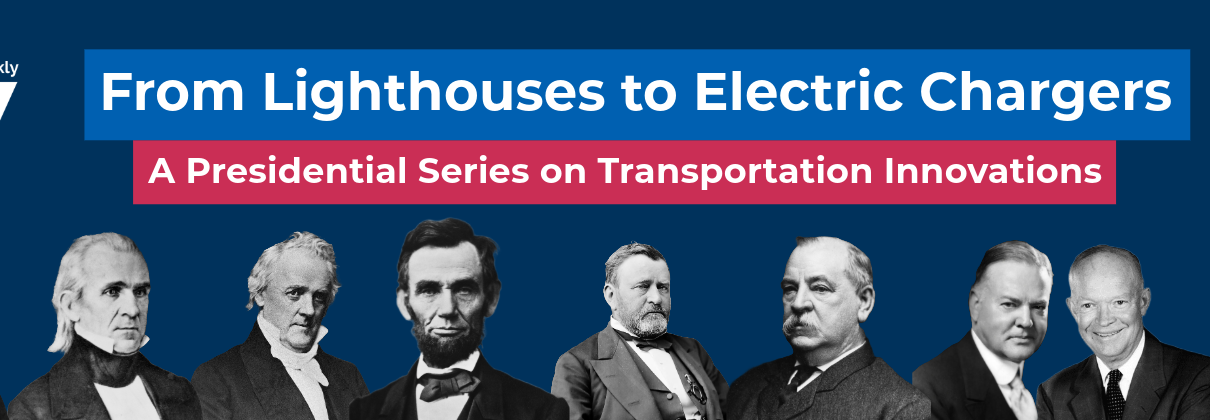
https://enotrans.org/wp-content/uploads/2024/02/Presidential-Essay-Series-Header-2.png4201920Jonathan Hammondhttps://enotrans.org/wp-content/uploads/2022/12/Eno-Logo-2.pngJonathan Hammond2024-02-23 09:54:402026-03-06 14:41:49From Lighthouses to Electric Chargers: A Presidential Series on Transportation Innovations
In the dynamic realm of transportation, artificial intelligence (AI) emerges as a pivotal force, revolutionizing how tasks are accomplished and potentials are unlocked. This article delves into the multifaceted role of AI in augmenting human capabilities and reshaping operations. From automated vehicles to intuitive maps and tailored recommendations, AI permeates consumer interfaces, promising improved safety, streamlined operations, and cost-efficiency. However, integrating AI into this sector demands a profound understanding of its intricacies and challenges, given the weight of accountability and stringent regulations. The article emphasizes the imperative for transportation practitioners and policymakers to grasp AI’s mechanics, fostering informed decision-making to harness its potential effectively. Ultimately, this policy brief seeks to bridge the gap between AI and transportation, empowering professionals to usher in a new era of innovation and equitable advancement.
The US faces funding challenges for transportation infrastructure due to changing vehicle technology. To address this, a national pilot program for a vehicle miles traveled (VMT) fee is being established. Recommendations include simplicity, scalability, and standardization. Testing will focus on commercial trucks and private passenger vehicles. The goal is to explore alternative funding models and address the transportation funding crisis.
https://enotrans.org/wp-content/uploads/2023/07/iStock-1168247335-scaled.jpg17072560Christopher McGuirehttps://enotrans.org/wp-content/uploads/2022/12/Eno-Logo-2.pngChristopher McGuire2023-07-24 15:31:042023-09-20 15:23:49Driving Change: Advice For The National VMT-Fee Pilot
Data on passenger movements, vehicle fleets, fare payments, and transportation infrastructure has immense potential to inform cities to better plan, regulate, and enforce their urban mobility systems. This report specifically examines the opportunities that exist for U.S. cities to use mobility data—made available through adoption of new mobility services and data-based technologies—to improve transportation’s environmental sustainability, accessibility, and equity.
https://enotrans.org/wp-content/uploads/2023/06/Mobilitatsstudie_Coverdesign_Amerika-scaled.jpg18102560enoactualizehttps://enotrans.org/wp-content/uploads/2022/12/Eno-Logo-2.pngenoactualize2023-06-13 09:14:112023-07-17 04:11:41Data for Environmentally Sustainable and Inclusive Urban Mobility
The Eno Center for Transportation (Eno) and the Information Technology and Innovation Foundation (ITIF) collaborated on an initiative to inform future spectrum allocations. These two independent,…
https://enotrans.org/wp-content/uploads/2023/03/iStock-924694848-scaled.jpg14632560enoactualizehttps://enotrans.org/wp-content/uploads/2022/12/Eno-Logo-2.pngenoactualize2023-02-27 11:46:422023-04-28 14:17:09Filling Gaps in US Spectrum Allocation: Reforms for Collaborative Management
When the Infrastructure Investment and Jobs Act (IIJA) was signed into law at the end of 2021, it promised to usher in a new era in transportation, energy, water, and telecommunications projects. This major increase…
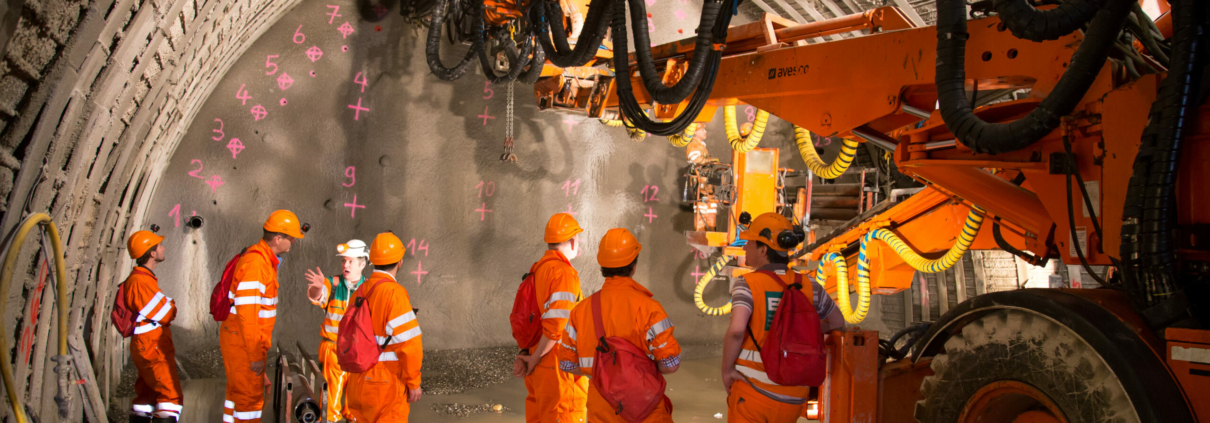
https://enotrans.org/wp-content/uploads/2023/02/iStock-853184256-scaled-4.jpg17072560Paul Lewishttps://enotrans.org/wp-content/uploads/2022/12/Eno-Logo-2.pngPaul Lewis2022-09-27 18:59:382023-04-28 14:17:00On the Right Track: Rail Transit Project Delivery Around the World
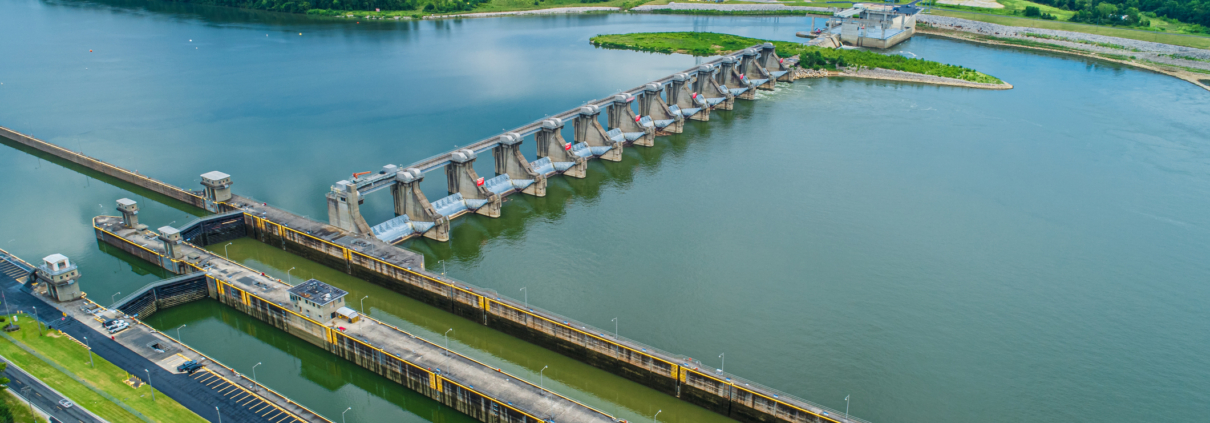
Want a high level overview of this report? Sign up now for the webinar on June 7 with the authors. The 12,000-mile inland waterways network in the United States is a vital trade corridor serving…
https://enotrans.org/wp-content/uploads/2023/01/inland-waterways-water-ohio-river-dam.jpg14132121Paul Lewishttps://enotrans.org/wp-content/uploads/2022/12/Eno-Logo-2.pngPaul Lewis2022-05-24 04:05:552025-10-01 16:50:33Waterborne Competitiveness: U.S. and Foreign Investments in Inland Waterways
With the passage of Proposition A in 2020, Austin voters gave their approval to an ambitious, far-reaching vision for the region’s transit future. The multi-billion dollar Project Connect will deliver a vast new network of…
Coming Out of the Crisis: A Look Past the Pandemic The pandemic isn’t quite behind us, but every day the contours of the new normal take shape. The pace of transformation in every mode of…
https://enotrans.org/wp-content/uploads/2023/01/essay-1.jpg10801920Karen Pricehttps://enotrans.org/wp-content/uploads/2022/12/Eno-Logo-2.pngKaren Price2022-02-18 05:17:222023-04-28 14:16:44Centennial Anthology: A Collection of Essays and Ideas