The Last Exit: Fixing the Highway Trust Fund while Solvency is still Solvable
January 27, 2026 - As the Infrastructure Investment and Jobs Act’s advance appropriations expire in 2026, Congress faces a critical choice between locking in the efficiency, capacity, and ridership gains enabled by predictable rail funding...
Looking Down the Tracks: A Case for More Predictable Intercity Passenger Rail Funding
January 27, 2026 - As the Infrastructure Investment and Jobs Act’s advance appropriations expire in 2026, Congress faces a critical choice between locking in the efficiency, capacity, and ridership gains enabled by predictable rail funding...
January 27, 2026 – As the Infrastructure Investment and Jobs Act’s advance appropriations expire in 2026, Congress faces a critical choice between locking in the efficiency, capacity, and ridership gains enabled by predictable rail funding or reverting to an unstable annual funding cycle that would squander recent progress.
https://enotrans.org/wp-content/uploads/2026/03/HTF-Header-1-Adams-1.png200600Karen Pricehttps://enotrans.org/wp-content/uploads/2022/12/Eno-Logo-2.pngKaren Price2026-03-17 16:54:362026-03-18 17:30:45The Last Exit: Fixing the Highway Trust Fund while Solvency is still Solvable
January 27, 2026 – As the Infrastructure Investment and Jobs Act’s advance appropriations expire in 2026, Congress faces a critical choice between locking in the efficiency, capacity, and ridership gains enabled by predictable rail funding or reverting to an unstable annual funding cycle that would squander recent progress.
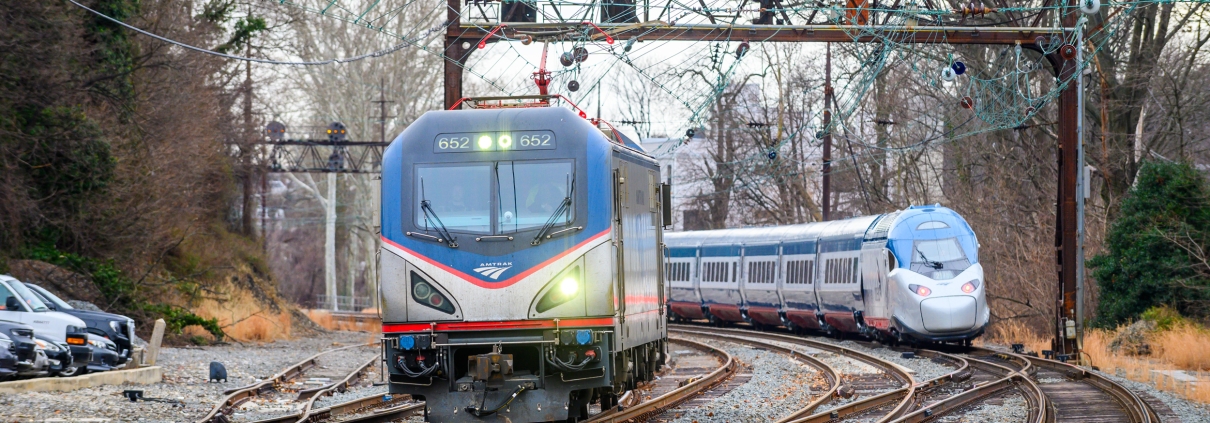
https://enotrans.org/wp-content/uploads/2026/01/amtrak-3.jpg16632500kferrellhttps://enotrans.org/wp-content/uploads/2022/12/Eno-Logo-2.pngkferrell2026-01-27 11:16:032026-01-27 11:16:03Looking Down the Tracks: A Case for More Predictable Intercity Passenger Rail Funding
https://enotrans.org/wp-content/uploads/2025/12/Crowded-transit.jpg15002000kferrellhttps://enotrans.org/wp-content/uploads/2022/12/Eno-Logo-2.pngkferrell2025-12-19 13:11:102025-12-19 15:12:54Planning in the Age of Uncertainty: Advancing Transportation Resilience Through Decision Making Under Deep Uncertainty
https://enotrans.org/wp-content/uploads/2025/08/Roadway-Construction_Aerial-View.jpg14092127kferrellhttps://enotrans.org/wp-content/uploads/2022/12/Eno-Logo-2.pngkferrell2025-08-15 11:15:282025-08-15 11:15:28Rising Construction Costs: Analyzing the Contributors to Cost Escalations and the Impact on Federal Transportation Infrastructure Investments
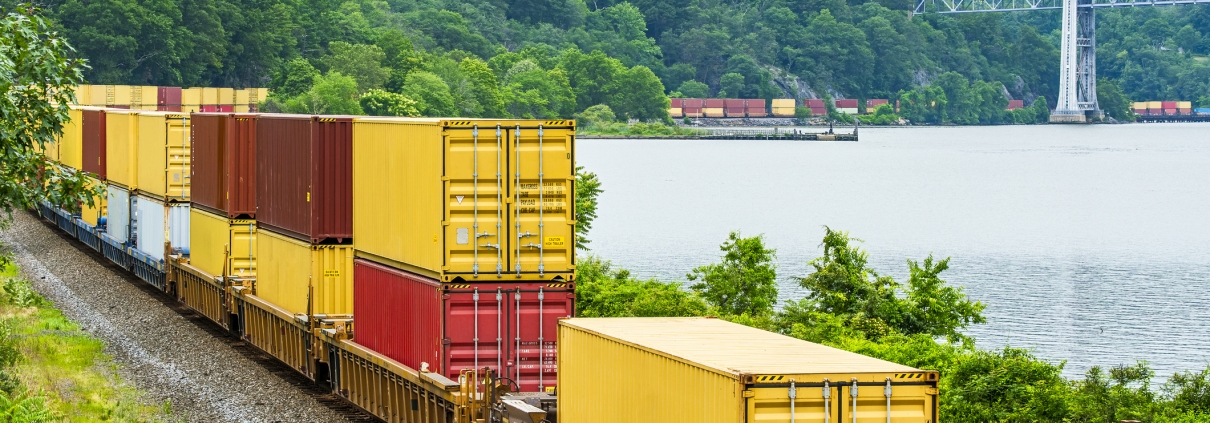
https://enotrans.org/wp-content/uploads/2025/07/Freight-Rail.jpg14142121kferrellhttps://enotrans.org/wp-content/uploads/2022/12/Eno-Logo-2.pngkferrell2025-07-31 11:31:062025-07-31 17:08:27Freight Rail for the 21st Century: Opportunities for Mode Shift to Improve Efficiency and Resiliency: A Route Map for Policymakers
https://enotrans.org/wp-content/uploads/2025/04/Transit-Construction-e1745333658717.jpg10352135kferrellhttps://enotrans.org/wp-content/uploads/2022/12/Eno-Logo-2.pngkferrell2025-06-20 10:45:472025-07-01 16:26:20Analysis of the Federal Transit Administration’s Capital Cost Database
https://enotrans.org/wp-content/uploads/2025/04/Rail-Project-Construction.jpg11842530Karen Pricehttps://enotrans.org/wp-content/uploads/2022/12/Eno-Logo-2.pngKaren Price2025-06-20 10:06:202025-07-01 16:25:12The People Behind Major Transit Projects
The Europeans settled the United States via waterborne transportation. Settlements, and then cities, first arose where there were natural seaports. They later developed along rivers as far upstream as the boats of the time could manage. Beginning in the Jacksonian era, the federal government took on responsibility for keeping those inland waterways navigable and properly maintained.
https://enotrans.org/wp-content/uploads/2024/10/iStock-584791038.jpg14172116Christopher McGuirehttps://enotrans.org/wp-content/uploads/2022/12/Eno-Logo-2.pngChristopher McGuire2024-11-06 00:01:412025-09-30 12:23:50Benefits and Beneficiaries of the Nation’s Inland Waterways
Transportation ballot measures are vital for determining the future of mobility, infrastructure, and community development. From public transit funding to road safety enhancements, these measures influence how cities, counties, and states prioritize and invest in transportation. Eno’s Transportation at the Ballot Box initiative provides transportation professionals, local and state officials, and municipal leaders with the tools and insights necessary to navigate this critical area of public decision-making.
https://enotrans.org/wp-content/uploads/2023/01/ballot-2-scaled.jpg7662560Karen Pricehttps://enotrans.org/wp-content/uploads/2022/12/Eno-Logo-2.pngKaren Price2024-10-17 10:57:232024-11-06 14:50:20Transportation at the Ballot Box 2025