
 https://enotrans.org/wp-content/uploads/2022/12/Eno-Logo-2.png
0
0
Madeline Gorman
https://enotrans.org/wp-content/uploads/2022/12/Eno-Logo-2.png
Madeline Gorman2020-06-25 19:32:582023-02-15 11:50:07Road to Recovery Webinar: More Than Meets the Eye: Density and Transportation During COVID-19
https://enotrans.org/wp-content/uploads/2022/12/Eno-Logo-2.png
0
0
Madeline Gorman
https://enotrans.org/wp-content/uploads/2022/12/Eno-Logo-2.png
Madeline Gorman2020-06-25 19:32:582023-02-15 11:50:07Road to Recovery Webinar: More Than Meets the Eye: Density and Transportation During COVID-19For decades, transportation policies focused on the efficient movement of vehicles and goods without always considering the underlying economic, environmental, and social impacts. Just as important is the accessibility the system provides for people; whether it’s getting to a job, or school, shopping, entertainment, or recreation. At the same time, transportation remains the largest contributor of greenhouse gas emissions and while automobiles have become more efficient over time, these improvements are offset by an overall increase in driving, trucking, and air travel. Proposals for reducing emissions include electrification, increased investment in active and shared transportation, and improved land use.
https://enotrans.org/wp-content/uploads/2022/12/Eno-Logo-2.png
0
0
Madeline Gorman
https://enotrans.org/wp-content/uploads/2022/12/Eno-Logo-2.png
Madeline Gorman2020-06-25 19:32:582023-02-15 11:50:07Road to Recovery Webinar: More Than Meets the Eye: Density and Transportation During COVID-19
https://enotrans.org/wp-content/uploads/2022/12/Eno-Logo-2.png
0
0
Madeline Gorman
https://enotrans.org/wp-content/uploads/2022/12/Eno-Logo-2.png
Madeline Gorman2020-06-25 17:59:302023-02-15 11:55:16Road to Recovery Webinar: Carmen Bianco
https://enotrans.org/wp-content/uploads/2022/12/Eno-Logo-2.png
0
0
Madeline Gorman
https://enotrans.org/wp-content/uploads/2022/12/Eno-Logo-2.png
Madeline Gorman2020-06-24 22:32:302023-02-15 11:51:41Road to Recovery Webinar: Behavioral Science 101: How Human Decision-Making Will Affect the Post-COVID World https://enotrans.org/wp-content/uploads/2023/01/los-angeles-la-metro-bus-public-transportation-transit.jpg
1414
2121
Madeline Gorman
https://enotrans.org/wp-content/uploads/2022/12/Eno-Logo-2.png
Madeline Gorman2020-06-19 16:38:222023-02-15 11:51:27Webinar: Empowering a Resilient Transit Workforce
https://enotrans.org/wp-content/uploads/2023/01/los-angeles-la-metro-bus-public-transportation-transit.jpg
1414
2121
Madeline Gorman
https://enotrans.org/wp-content/uploads/2022/12/Eno-Logo-2.png
Madeline Gorman2020-06-19 16:38:222023-02-15 11:51:27Webinar: Empowering a Resilient Transit Workforce https://enotrans.org/wp-content/uploads/2023/04/police-cop-car-traffic-law-enforcement-scaled-2.jpg
1707
2560
Romic Aevaz
https://enotrans.org/wp-content/uploads/2022/12/Eno-Logo-2.png
Romic Aevaz2020-06-19 15:01:332023-04-17 06:49:16Op-Ed: Transportation and the Police Part 2: The Enforcement Problem in Pedestrian and Bicycle Safety
https://enotrans.org/wp-content/uploads/2023/04/police-cop-car-traffic-law-enforcement-scaled-2.jpg
1707
2560
Romic Aevaz
https://enotrans.org/wp-content/uploads/2022/12/Eno-Logo-2.png
Romic Aevaz2020-06-19 15:01:332023-04-17 06:49:16Op-Ed: Transportation and the Police Part 2: The Enforcement Problem in Pedestrian and Bicycle Safety https://enotrans.org/wp-content/uploads/2023/01/aviation-1.jpg
498
750
Robert Puentes
https://enotrans.org/wp-content/uploads/2022/12/Eno-Logo-2.png
Robert Puentes2020-06-12 13:51:022023-04-17 06:53:27CDC Contract Tracing Rule Pushed to September
https://enotrans.org/wp-content/uploads/2023/01/aviation-1.jpg
498
750
Robert Puentes
https://enotrans.org/wp-content/uploads/2022/12/Eno-Logo-2.png
Robert Puentes2020-06-12 13:51:022023-04-17 06:53:27CDC Contract Tracing Rule Pushed to September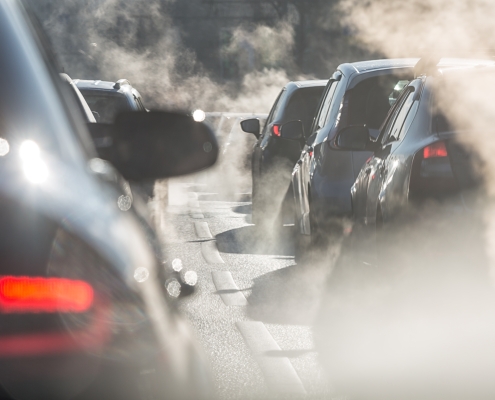 https://enotrans.org/wp-content/uploads/2023/02/car-emissions-pollution-exhuast-pipes-traffic-environment.jpg
1667
2500
Brianne Eby
https://enotrans.org/wp-content/uploads/2022/12/Eno-Logo-2.png
Brianne Eby2020-06-12 13:39:292023-04-17 06:53:30Op-Ed: Now is The Right Moment to Address Transportation-Related Air Quality Concerns
https://enotrans.org/wp-content/uploads/2023/02/car-emissions-pollution-exhuast-pipes-traffic-environment.jpg
1667
2500
Brianne Eby
https://enotrans.org/wp-content/uploads/2022/12/Eno-Logo-2.png
Brianne Eby2020-06-12 13:39:292023-04-17 06:53:30Op-Ed: Now is The Right Moment to Address Transportation-Related Air Quality Concerns https://enotrans.org/wp-content/uploads/2023/01/iStock-1222691500.jpg
1414
2120
Owain James
https://enotrans.org/wp-content/uploads/2022/12/Eno-Logo-2.png
Owain James2020-06-12 02:46:012023-04-17 06:54:55House Hearing Looks at Coronavirus Impact on Front-Line Transportation Workers
https://enotrans.org/wp-content/uploads/2023/01/iStock-1222691500.jpg
1414
2120
Owain James
https://enotrans.org/wp-content/uploads/2022/12/Eno-Logo-2.png
Owain James2020-06-12 02:46:012023-04-17 06:54:55House Hearing Looks at Coronavirus Impact on Front-Line Transportation Workers https://enotrans.org/wp-content/uploads/2023/04/police-cop-car-traffic-law-enforcement-scaled-1.jpg
1707
2560
Romic Aevaz
https://enotrans.org/wp-content/uploads/2022/12/Eno-Logo-2.png
Romic Aevaz2020-06-11 21:45:112023-04-17 06:55:03Op-Ed: Transportation and the Police: Reconsidering Traffic Enforcement
https://enotrans.org/wp-content/uploads/2023/04/police-cop-car-traffic-law-enforcement-scaled-1.jpg
1707
2560
Romic Aevaz
https://enotrans.org/wp-content/uploads/2022/12/Eno-Logo-2.png
Romic Aevaz2020-06-11 21:45:112023-04-17 06:55:03Op-Ed: Transportation and the Police: Reconsidering Traffic Enforcement https://enotrans.org/wp-content/uploads/2023/01/survey-tablet-data-collection.jpg
1414
2121
Madeline Gorman
https://enotrans.org/wp-content/uploads/2022/12/Eno-Logo-2.png
Madeline Gorman2020-06-05 15:32:252023-04-17 06:56:59Guest Op-Ed: Post-COVID Transportation Planning Demands the Right Data, Not Guesswork
https://enotrans.org/wp-content/uploads/2023/01/survey-tablet-data-collection.jpg
1414
2121
Madeline Gorman
https://enotrans.org/wp-content/uploads/2022/12/Eno-Logo-2.png
Madeline Gorman2020-06-05 15:32:252023-04-17 06:56:59Guest Op-Ed: Post-COVID Transportation Planning Demands the Right Data, Not Guesswork https://enotrans.org/wp-content/uploads/2022/12/transit-1.jpg
1200
1600
Alice Grossman
https://enotrans.org/wp-content/uploads/2022/12/Eno-Logo-2.png
Alice Grossman2020-06-05 15:32:072024-04-23 06:41:42We Need Antiracism in Transportation
https://enotrans.org/wp-content/uploads/2023/02/white-house-1612509_1920-2-e1486590682376.jpg
500
750
Jeff Davis
https://enotrans.org/wp-content/uploads/2022/12/Eno-Logo-2.png
Jeff Davis2020-06-05 05:00:362023-04-17 06:57:11Trump Signs Order Urging Emergency Powers Be Used to Accelerate Project Delivery
https://enotrans.org/wp-content/uploads/2022/12/transit-1.jpg
1200
1600
Alice Grossman
https://enotrans.org/wp-content/uploads/2022/12/Eno-Logo-2.png
Alice Grossman2020-06-05 15:32:072024-04-23 06:41:42We Need Antiracism in Transportation
https://enotrans.org/wp-content/uploads/2023/02/white-house-1612509_1920-2-e1486590682376.jpg
500
750
Jeff Davis
https://enotrans.org/wp-content/uploads/2022/12/Eno-Logo-2.png
Jeff Davis2020-06-05 05:00:362023-04-17 06:57:11Trump Signs Order Urging Emergency Powers Be Used to Accelerate Project DeliverySpeeding Up Electric Vehicle Adoption in the US

March 28, 2019 The transportation sector is the fastest growing contributor to greenhouse gas (GHG) emissions in the U.S., accounting for 28.7% of total carbon dioxide emissions in 2017. According to a 2019 report from the Environmental Protection Agency, GHG emissions from transportation…