
 https://enotrans.org/wp-content/uploads/2022/12/Eno-Logo-2.png
0
0
Jeff Davis
https://enotrans.org/wp-content/uploads/2022/12/Eno-Logo-2.png
Jeff Davis2015-09-09 19:50:262023-04-17 06:42:06Senate Passes FY16 Budget After 16-Hour “Vote-a-Rama” Session
Governance is at the core of any transportation issue. Public, private, and nonprofit actors are the machinery that enables the economy to function, compete effectively for employers and labor, and foster innovation. The ability of agencies to respond to changing and expanding demands varies across the country as is shaped to a large extent by a range of different institutional and organizational structures. Governance determines who makes decisions about capital and operating plans and sets out a process for how those decisions are made. Each structure has its own implications for funding, equitable and effective service patterns, and economic growth.
https://enotrans.org/wp-content/uploads/2022/12/Eno-Logo-2.png
0
0
Jeff Davis
https://enotrans.org/wp-content/uploads/2022/12/Eno-Logo-2.png
Jeff Davis2015-09-09 19:50:262023-04-17 06:42:06Senate Passes FY16 Budget After 16-Hour “Vote-a-Rama” Session
https://enotrans.org/wp-content/uploads/2022/12/Eno-Logo-2.png
0
0
Jeff Davis
https://enotrans.org/wp-content/uploads/2022/12/Eno-Logo-2.png
Jeff Davis2015-09-09 19:48:092023-04-17 06:42:40Ways and Means to Hold HTF Hearing; Senate Finance Continues Work
https://enotrans.org/wp-content/uploads/2022/12/Eno-Logo-2.png
0
0
Karen Price
https://enotrans.org/wp-content/uploads/2022/12/Eno-Logo-2.png
Karen Price2015-09-09 19:47:292023-04-17 06:42:43Ex-Im Bank Reauthorization May Be Linked To Highway Extension https://enotrans.org/wp-content/uploads/2023/02/ETW20150611PTC.png
543
849
Emily Han
https://enotrans.org/wp-content/uploads/2022/12/Eno-Logo-2.png
Emily Han2015-09-09 19:46:152023-06-28 07:09:06Senate Hearing Examines 12/31/2015 Positive Train Control Deadline
https://enotrans.org/wp-content/uploads/2022/12/Eno-Logo-2.png
0
0
Jeff Davis
https://enotrans.org/wp-content/uploads/2022/12/Eno-Logo-2.png
Jeff Davis2015-09-09 19:44:552023-04-17 06:42:49Section-by-Section Summary of the Transportation Empowerment Act (114th Congress)
 https://enotrans.org/wp-content/uploads/2023/02/ETW20150611TEAshortfall.png
292
1051
Jeff Davis
https://enotrans.org/wp-content/uploads/2022/12/Eno-Logo-2.png
Jeff Davis2015-09-09 19:44:092023-06-28 07:09:06Highway “Devolution” Bill Introduced
https://enotrans.org/wp-content/uploads/2022/12/Eno-Logo-2.png
0
0
Jeff Davis
https://enotrans.org/wp-content/uploads/2022/12/Eno-Logo-2.png
Jeff Davis2015-09-09 19:37:062023-04-17 06:42:53President Nominates Rail, Pipeline/Hazmat Administrators
 https://enotrans.org/wp-content/uploads/2023/02/ETW20150605Corps.png
353
1050
Jeff Davis
https://enotrans.org/wp-content/uploads/2022/12/Eno-Logo-2.png
Jeff Davis2015-09-09 19:36:272023-06-28 07:09:07Senate Panel Approves FY16 Corps Funding, But Bill May Not Move to Floor
 https://enotrans.org/wp-content/uploads/2023/02/ETW20150604extensions.png
660
1055
Jeff Davis
https://enotrans.org/wp-content/uploads/2022/12/Eno-Logo-2.png
Jeff Davis2015-09-09 19:34:452023-06-28 07:09:072-Month HTF Extension Signed – What Now?
https://enotrans.org/wp-content/uploads/2022/12/Eno-Logo-2.png
0
0
Jeff Davis
https://enotrans.org/wp-content/uploads/2022/12/Eno-Logo-2.png
Jeff Davis2015-09-09 19:31:372023-04-17 06:43:02Excerpts From the White House Statement of Administration Policy on House DOT Approps.
 https://enotrans.org/wp-content/uploads/2023/02/ETW20150521Senate302.png
1351
1051
Jeff Davis
https://enotrans.org/wp-content/uploads/2022/12/Eno-Logo-2.png
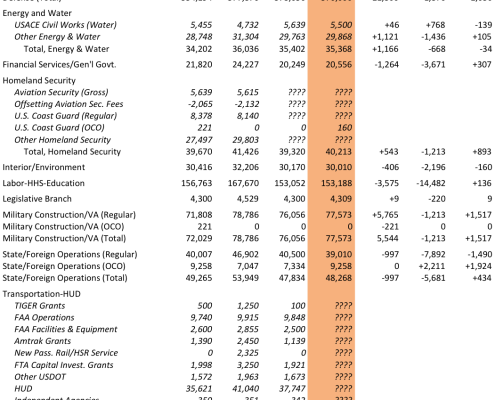
Jeff Davis2015-09-09 19:25:512023-06-28 07:09:07Senate Appropriations Hands Out FY 2016 Spending Allocations
https://enotrans.org/wp-content/uploads/2023/02/ETW20150326budg1.png
385
1051
Jeff Davis
https://enotrans.org/wp-content/uploads/2022/12/Eno-Logo-2.png
Jeff Davis2015-09-09 19:25:202023-06-28 07:09:08House Passes FY16 Budget; Senate Still Debating
Reforming America’s Transportation System

In February 2019 the Eno Center for Transportation (Eno) and the Reason Foundation (Reason) convened a three-day workshop (the Workshop) at the Pocantico Conference Center of the Rockefeller Brothers Fund (RBF) near Tarrytown, New York. Supported by RBF, with additional funding from Smith…
Transportation at the Ballot Box

Voters increasingly play a critical role in shaping communities from coast-to-coast by casting their votes on investments and other decisions about transportation. The Eno Center for Transportation tracks and analyzes transportation ballot measures across the country.