
 https://enotrans.org/wp-content/uploads/2022/12/Eno-Logo-2.png
0
0
ENO CENTER FOR TRANSPORTATION
https://enotrans.org/wp-content/uploads/2022/12/Eno-Logo-2.png
ENO CENTER FOR TRANSPORTATION2015-10-02 06:21:122023-04-28 14:10:081991 ISTEA – House Full Committee Markup (Video)
Governance is at the core of any transportation issue. Public, private, and nonprofit actors are the machinery that enables the economy to function, compete effectively for employers and labor, and foster innovation. The ability of agencies to respond to changing and expanding demands varies across the country as is shaped to a large extent by a range of different institutional and organizational structures. Governance determines who makes decisions about capital and operating plans and sets out a process for how those decisions are made. Each structure has its own implications for funding, equitable and effective service patterns, and economic growth.
https://enotrans.org/wp-content/uploads/2022/12/Eno-Logo-2.png
0
0
ENO CENTER FOR TRANSPORTATION
https://enotrans.org/wp-content/uploads/2022/12/Eno-Logo-2.png
ENO CENTER FOR TRANSPORTATION2015-10-02 06:21:122023-04-28 14:10:081991 ISTEA – House Full Committee Markup (Video) https://enotrans.org/wp-content/uploads/2023/02/16245645XSmall-e1443708125337.jpg
332
500
Rob Britton
https://enotrans.org/wp-content/uploads/2022/12/Eno-Logo-2.png
Rob Britton2015-10-02 03:32:522023-04-17 06:32:04What’s Really Going on in Airline Pricing and Capacity?
 https://enotrans.org/wp-content/uploads/2023/02/Screen-Shot-2015-10-02-at-6.47.01-AM.png
1140
2036
Emily Han
https://enotrans.org/wp-content/uploads/2022/12/Eno-Logo-2.png
Emily Han2015-10-02 03:20:332023-04-17 06:32:09Congress May Move Free-Standing PTC Deadline Extension Bill
 https://enotrans.org/wp-content/uploads/2023/02/Tollbooth.png
678
1024
Emily Han
https://enotrans.org/wp-content/uploads/2022/12/Eno-Logo-2.png
Emily Han2015-10-01 20:03:312023-04-17 06:32:11House Hearing Examines Interoperability of Electronic Toll Systems
 https://enotrans.org/wp-content/uploads/2023/02/HousePTC-pdf.jpg
1408
1088
ENO CENTER FOR TRANSPORTATION
https://enotrans.org/wp-content/uploads/2022/12/Eno-Logo-2.png
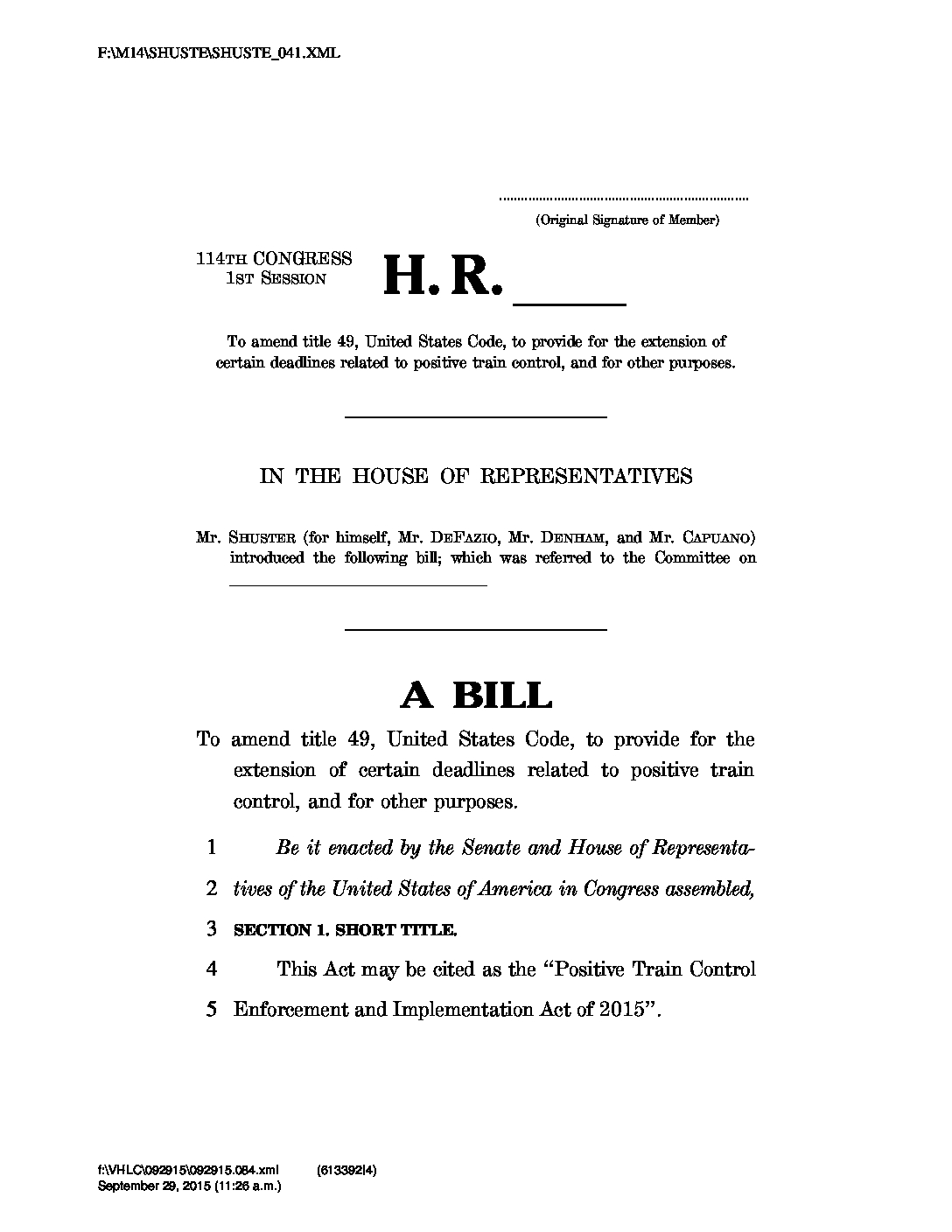
ENO CENTER FOR TRANSPORTATION2015-09-30 15:07:402023-04-28 14:10:08H.R. 3651, House 3-Year Positive Train Control (PTC) Deadline Extension
https://enotrans.org/wp-content/uploads/2023/02/membersOnly-1965-White-House-User-Charge-Justification-pdf.jpg
1408
1088
ENO CENTER FOR TRANSPORTATION
https://enotrans.org/wp-content/uploads/2022/12/Eno-Logo-2.png
ENO CENTER FOR TRANSPORTATION2015-09-29 22:54:282023-04-28 14:10:061965 White House Justification for User Charges
https://enotrans.org/wp-content/uploads/2022/12/Eno-Logo-2.png
0
0
ENO CENTER FOR TRANSPORTATION
https://enotrans.org/wp-content/uploads/2022/12/Eno-Logo-2.png
ENO CENTER FOR TRANSPORTATION2015-09-29 22:51:122023-04-28 14:10:08FY 2008 Transportation Appropriations – Senate Hearings
https://enotrans.org/wp-content/uploads/2022/12/Eno-Logo-2.png
0
0
ENO CENTER FOR TRANSPORTATION
https://enotrans.org/wp-content/uploads/2022/12/Eno-Logo-2.png
ENO CENTER FOR TRANSPORTATION2015-09-29 22:49:142023-04-28 14:10:08FY 2007 Transportation Appropriations – Senate Hearings
https://enotrans.org/wp-content/uploads/2022/12/Eno-Logo-2.png
0
0
ENO CENTER FOR TRANSPORTATION
https://enotrans.org/wp-content/uploads/2022/12/Eno-Logo-2.png
ENO CENTER FOR TRANSPORTATION2015-09-29 22:47:212023-04-28 14:10:08FY 2006 Transportation Appropriations – Senate Hearings
https://enotrans.org/wp-content/uploads/2022/12/Eno-Logo-2.png
0
0
ENO CENTER FOR TRANSPORTATION
https://enotrans.org/wp-content/uploads/2022/12/Eno-Logo-2.png
ENO CENTER FOR TRANSPORTATION2015-09-29 22:45:182023-04-28 14:10:07FY 2005 Transportation Appropriations – Senate Hearings
https://enotrans.org/wp-content/uploads/2022/12/Eno-Logo-2.png
0
0
ENO CENTER FOR TRANSPORTATION
https://enotrans.org/wp-content/uploads/2022/12/Eno-Logo-2.png
ENO CENTER FOR TRANSPORTATION2015-09-29 22:42:272023-04-28 14:10:07FY 2004 Transportation Appropriations – Senate Hearings
https://enotrans.org/wp-content/uploads/2022/12/Eno-Logo-2.png
0
0
ENO CENTER FOR TRANSPORTATION
https://enotrans.org/wp-content/uploads/2022/12/Eno-Logo-2.png
ENO CENTER FOR TRANSPORTATION2015-09-29 22:34:172023-04-28 14:10:07FY 2003 Transportation Appropriations – Senate Hearings
Reforming America’s Transportation System
In February 2019 the Eno Center for Transportation (Eno) and the Reason Foundation (Reason) convened a three-day workshop (the Workshop) at the Pocantico Conference Center of the Rockefeller Brothers Fund (RBF) near Tarrytown, New York. Supported by RBF, with additional funding from Smith…
Transportation at the Ballot Box

Voters increasingly play a critical role in shaping communities from coast-to-coast by casting their votes on investments and other decisions about transportation. The Eno Center for Transportation tracks and analyzes transportation ballot measures across the country.