
 https://enotrans.org/wp-content/uploads/2022/12/Eno-Logo-2.png
0
0
Jeff Davis
https://enotrans.org/wp-content/uploads/2022/12/Eno-Logo-2.png
Jeff Davis2015-10-08 18:44:112023-04-17 06:30:18Senate Democrats Successfully Filibuster Bill With FY16 Corps of Engineers Funding
https://enotrans.org/wp-content/uploads/2022/12/Eno-Logo-2.png
0
0
Jeff Davis
https://enotrans.org/wp-content/uploads/2022/12/Eno-Logo-2.png
Jeff Davis2015-10-08 18:44:112023-04-17 06:30:18Senate Democrats Successfully Filibuster Bill With FY16 Corps of Engineers FundingFederal, state, and local governments all play a significant role in funding $300 billion in annual transportation spending. The federal government supplies important capital funding for highways, transit systems, airports, waterways, and ports while also operating the nation’s air traffic control system. State and local governments have an equally important task to invest in and operate their transportation networks and rely on a broad range of revenue sources, from general revenues and debt, to fuel taxes, fees, and tolls.
https://enotrans.org/wp-content/uploads/2022/12/Eno-Logo-2.png
0
0
Jeff Davis
https://enotrans.org/wp-content/uploads/2022/12/Eno-Logo-2.png
Jeff Davis2015-10-08 18:44:112023-04-17 06:30:18Senate Democrats Successfully Filibuster Bill With FY16 Corps of Engineers Funding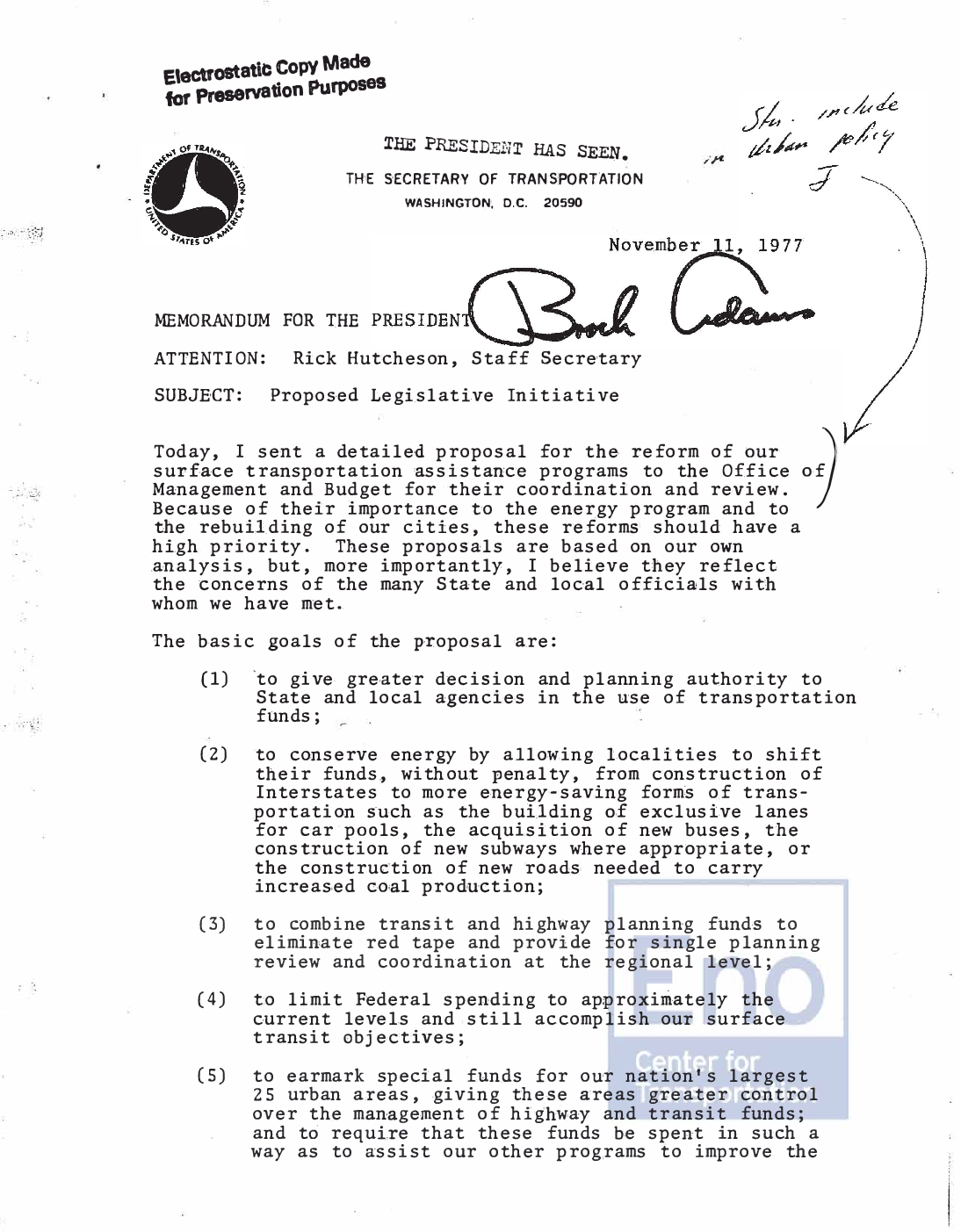 https://enotrans.org/wp-content/uploads/2023/02/membersOnly-1977-11-11-Adams-to-Carter-memo-on-ST-proposal-pdf.jpg
1403
1094
ENO CENTER FOR TRANSPORTATION
https://enotrans.org/wp-content/uploads/2022/12/Eno-Logo-2.png
ENO CENTER FOR TRANSPORTATION2015-10-08 11:51:232023-04-28 14:10:131977 SecDOT Memo to President Carter Transmitting Proposed Highway/Transit Reauthorization
https://enotrans.org/wp-content/uploads/2022/12/Eno-Logo-2.png
0
0
Jeff Davis
https://enotrans.org/wp-content/uploads/2022/12/Eno-Logo-2.png
Jeff Davis2015-10-06 21:12:302023-07-28 02:10:04House T&I To Mark Up Highway Bill in Last Week of October as Speakership Election Looms
https://enotrans.org/wp-content/uploads/2022/12/Eno-Logo-2.png
0
0
ENO CENTER FOR TRANSPORTATION
https://enotrans.org/wp-content/uploads/2022/12/Eno-Logo-2.png
ENO CENTER FOR TRANSPORTATION2015-10-05 21:10:272023-04-28 14:10:111998 TEA21 Bill Signing Ceremony (Video)
https://enotrans.org/wp-content/uploads/2022/12/Eno-Logo-2.png
0
0
ENO CENTER FOR TRANSPORTATION
https://enotrans.org/wp-content/uploads/2022/12/Eno-Logo-2.png
ENO CENTER FOR TRANSPORTATION2015-10-05 18:06:012023-04-28 14:10:111967-1968 Johnson Administration Proposals for Airport and Airway Development and Financing
https://enotrans.org/wp-content/uploads/2023/02/membersOnly-1977-11-11-Adams-to-Carter-memo-on-ST-proposal-pdf.jpg
1403
1094
ENO CENTER FOR TRANSPORTATION
https://enotrans.org/wp-content/uploads/2022/12/Eno-Logo-2.png
ENO CENTER FOR TRANSPORTATION2015-10-08 11:51:232023-04-28 14:10:131977 SecDOT Memo to President Carter Transmitting Proposed Highway/Transit Reauthorization
https://enotrans.org/wp-content/uploads/2022/12/Eno-Logo-2.png
0
0
Jeff Davis
https://enotrans.org/wp-content/uploads/2022/12/Eno-Logo-2.png
Jeff Davis2015-10-06 21:12:302023-07-28 02:10:04House T&I To Mark Up Highway Bill in Last Week of October as Speakership Election Looms
https://enotrans.org/wp-content/uploads/2022/12/Eno-Logo-2.png
0
0
ENO CENTER FOR TRANSPORTATION
https://enotrans.org/wp-content/uploads/2022/12/Eno-Logo-2.png
ENO CENTER FOR TRANSPORTATION2015-10-05 21:10:272023-04-28 14:10:111998 TEA21 Bill Signing Ceremony (Video)
https://enotrans.org/wp-content/uploads/2022/12/Eno-Logo-2.png
0
0
ENO CENTER FOR TRANSPORTATION
https://enotrans.org/wp-content/uploads/2022/12/Eno-Logo-2.png
ENO CENTER FOR TRANSPORTATION2015-10-05 18:06:012023-04-28 14:10:111967-1968 Johnson Administration Proposals for Airport and Airway Development and Financing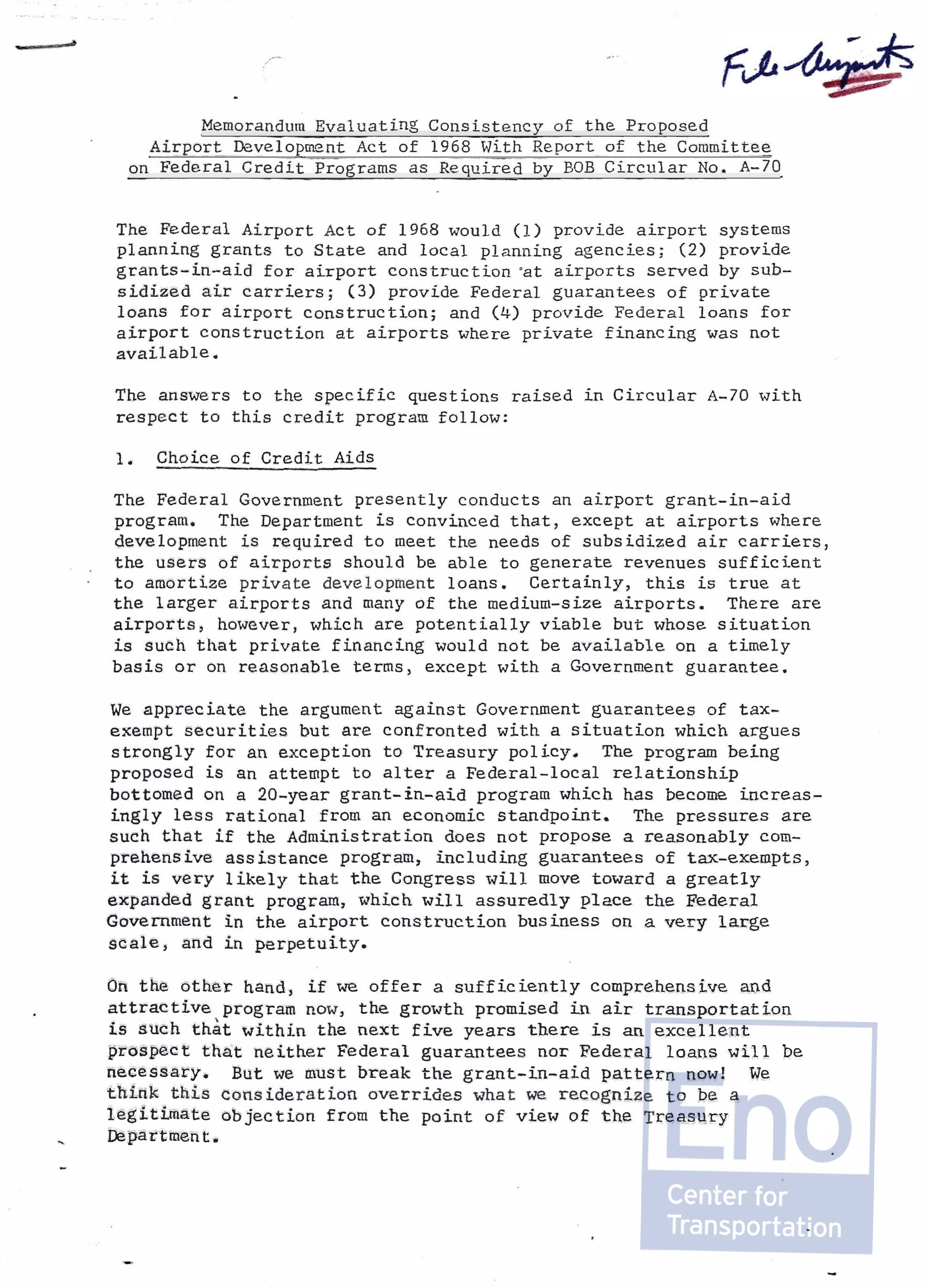 https://enotrans.org/wp-content/uploads/2023/02/membersOnly-1968-undated-WH-memo-on-airport-plan-consistent-with-BOB-credit-guidelines-pdf.jpg
3867
2786
ENO CENTER FOR TRANSPORTATION
https://enotrans.org/wp-content/uploads/2022/12/Eno-Logo-2.png
ENO CENTER FOR TRANSPORTATION2015-10-05 17:18:462023-04-28 14:10:131968 Bureau of the Budget Memo on Airport Proposal Compliance With Credit Guidelines
https://enotrans.org/wp-content/uploads/2023/02/membersOnly-1968-undated-WH-memo-on-airport-plan-consistent-with-BOB-credit-guidelines-pdf.jpg
3867
2786
ENO CENTER FOR TRANSPORTATION
https://enotrans.org/wp-content/uploads/2022/12/Eno-Logo-2.png
ENO CENTER FOR TRANSPORTATION2015-10-05 17:18:462023-04-28 14:10:131968 Bureau of the Budget Memo on Airport Proposal Compliance With Credit Guidelines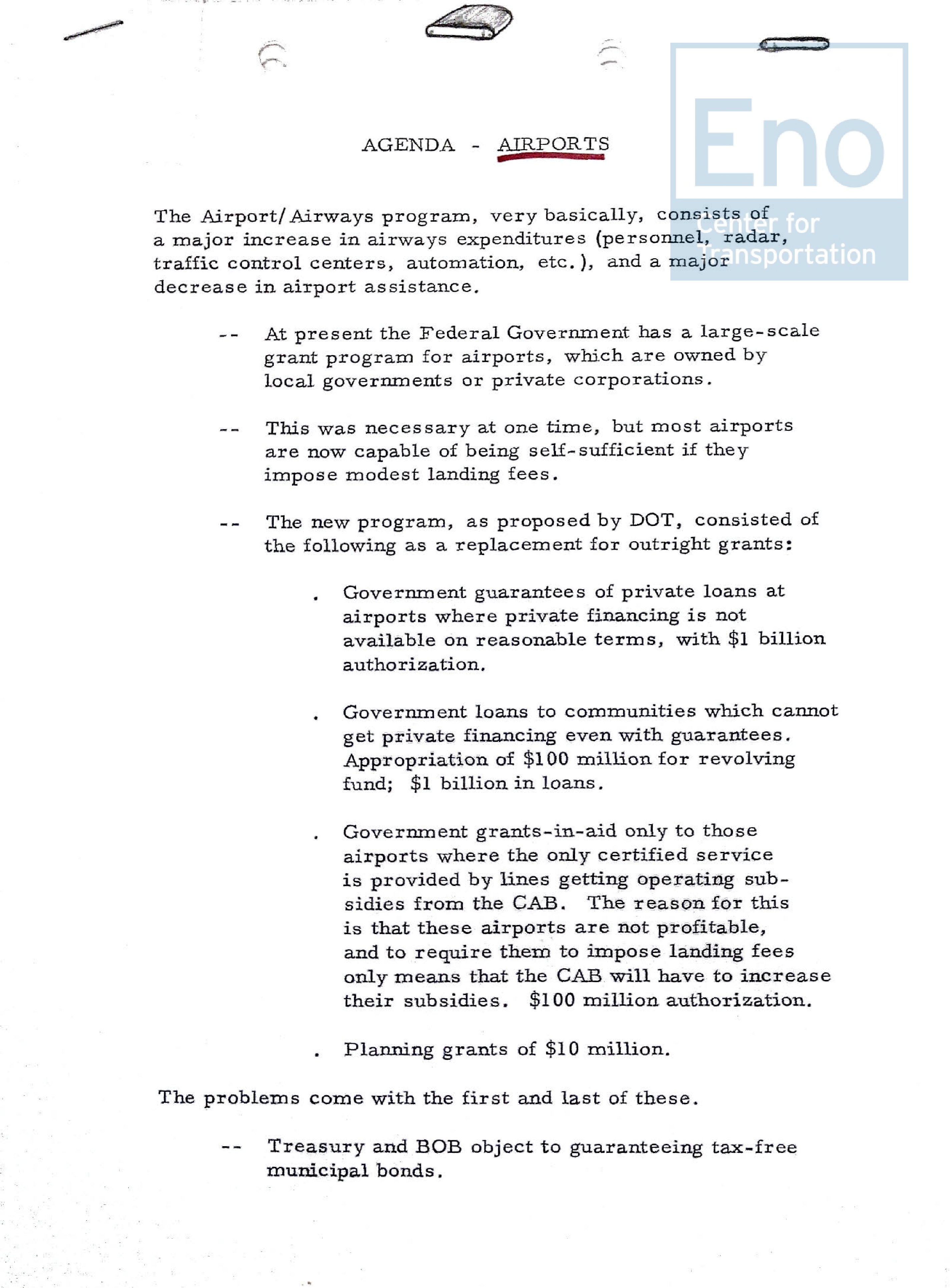 https://enotrans.org/wp-content/uploads/2023/02/membersOnly-1968-undated-WH-memo-on-airport-plan-and-internal-objections-pdf.jpg
3860
2850
ENO CENTER FOR TRANSPORTATION
https://enotrans.org/wp-content/uploads/2022/12/Eno-Logo-2.png
ENO CENTER FOR TRANSPORTATION2015-10-05 17:17:242023-04-28 14:10:131968 White House Internal Status Memo on Airport and Airway Plan
https://enotrans.org/wp-content/uploads/2023/02/membersOnly-1968-undated-WH-memo-on-airport-plan-and-internal-objections-pdf.jpg
3860
2850
ENO CENTER FOR TRANSPORTATION
https://enotrans.org/wp-content/uploads/2022/12/Eno-Logo-2.png
ENO CENTER FOR TRANSPORTATION2015-10-05 17:17:242023-04-28 14:10:131968 White House Internal Status Memo on Airport and Airway Plan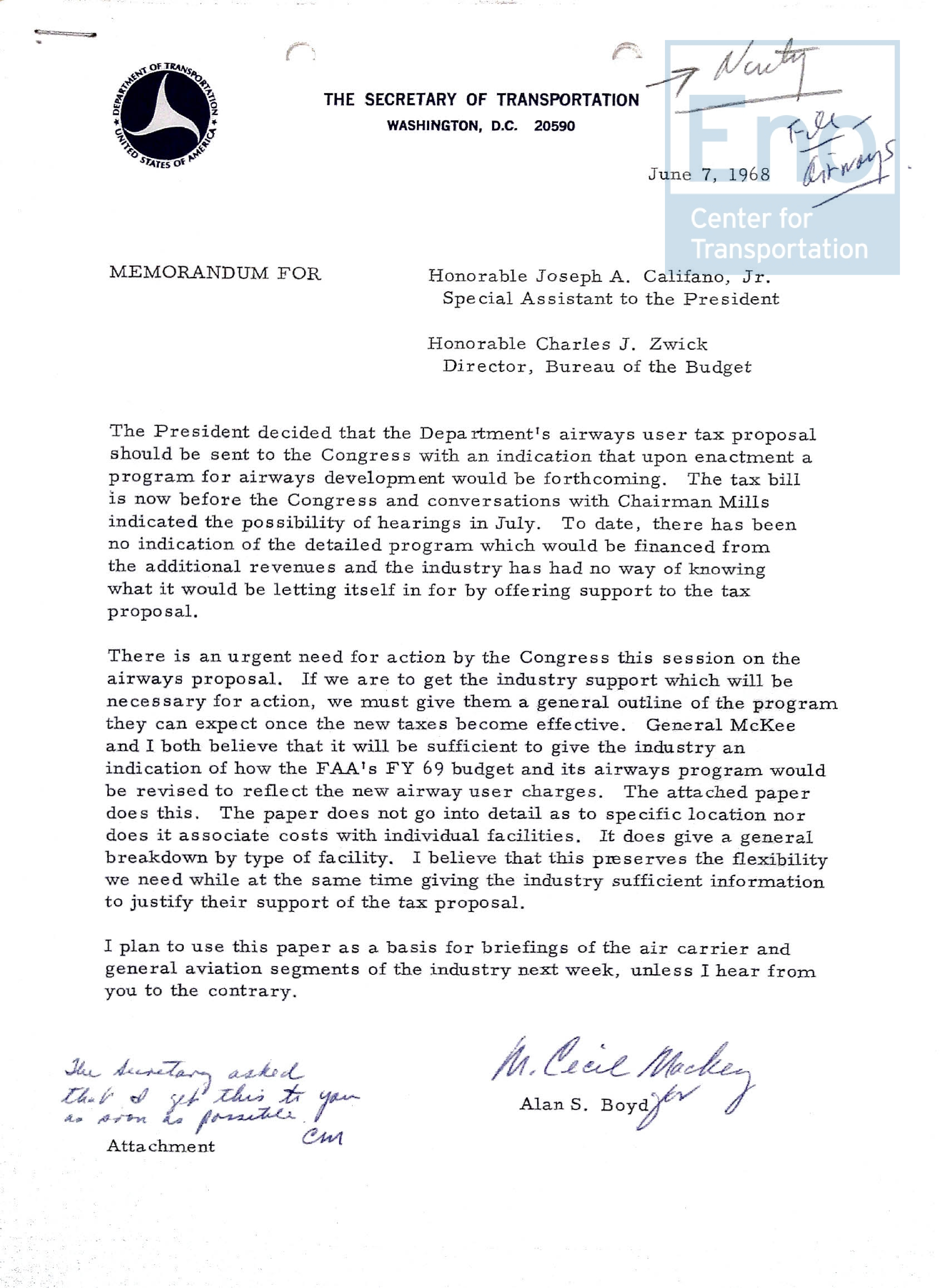 https://enotrans.org/wp-content/uploads/2023/02/membersOnly-1968-06-07-DOT-to-WH-OMB-on-spending-side-of-airways-program-pdf.jpg
4117
3004
ENO CENTER FOR TRANSPORTATION
https://enotrans.org/wp-content/uploads/2022/12/Eno-Logo-2.png
ENO CENTER FOR TRANSPORTATION2015-10-05 17:15:542023-04-28 14:10:121968 (Jun. 7) Boyd Memo to White House Explaining FY 1969 Budget Increase for Airways
https://enotrans.org/wp-content/uploads/2023/02/membersOnly-1968-06-07-DOT-to-WH-OMB-on-spending-side-of-airways-program-pdf.jpg
4117
3004
ENO CENTER FOR TRANSPORTATION
https://enotrans.org/wp-content/uploads/2022/12/Eno-Logo-2.png
ENO CENTER FOR TRANSPORTATION2015-10-05 17:15:542023-04-28 14:10:121968 (Jun. 7) Boyd Memo to White House Explaining FY 1969 Budget Increase for Airways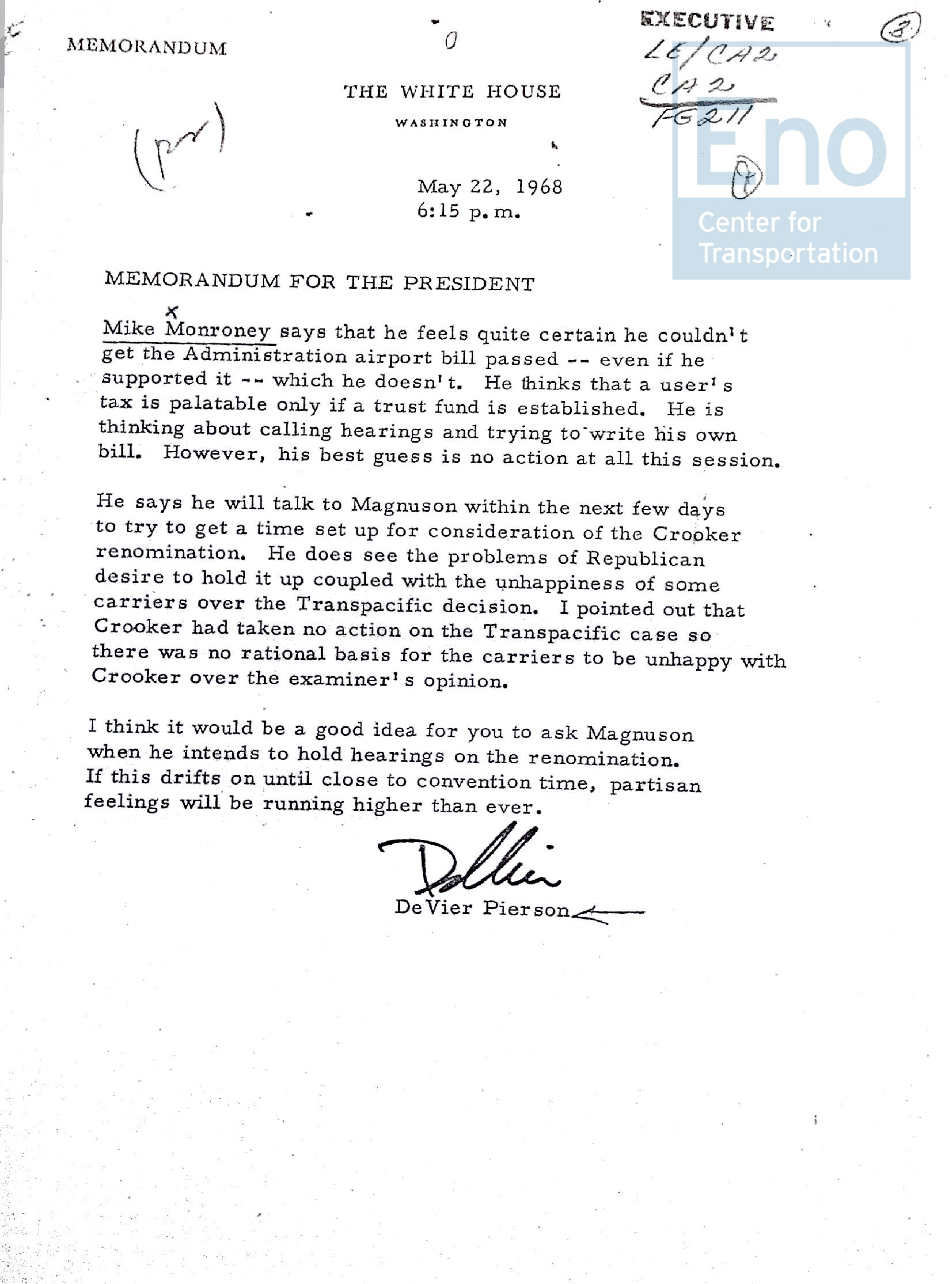 https://enotrans.org/wp-content/uploads/2023/02/membersOnly-1968-05-22-Pierson-to-LBJ-on-Monroney-airport-objections-pdf.jpg
3963
2939
ENO CENTER FOR TRANSPORTATION
https://enotrans.org/wp-content/uploads/2022/12/Eno-Logo-2.png
ENO CENTER FOR TRANSPORTATION2015-10-05 17:04:292023-04-28 14:10:121968 (May 22) Memo to LBJ on Sen. Monroney’s Objections to the Airport Bill
https://enotrans.org/wp-content/uploads/2023/02/membersOnly-1968-05-22-Pierson-to-LBJ-on-Monroney-airport-objections-pdf.jpg
3963
2939
ENO CENTER FOR TRANSPORTATION
https://enotrans.org/wp-content/uploads/2022/12/Eno-Logo-2.png
ENO CENTER FOR TRANSPORTATION2015-10-05 17:04:292023-04-28 14:10:121968 (May 22) Memo to LBJ on Sen. Monroney’s Objections to the Airport Bill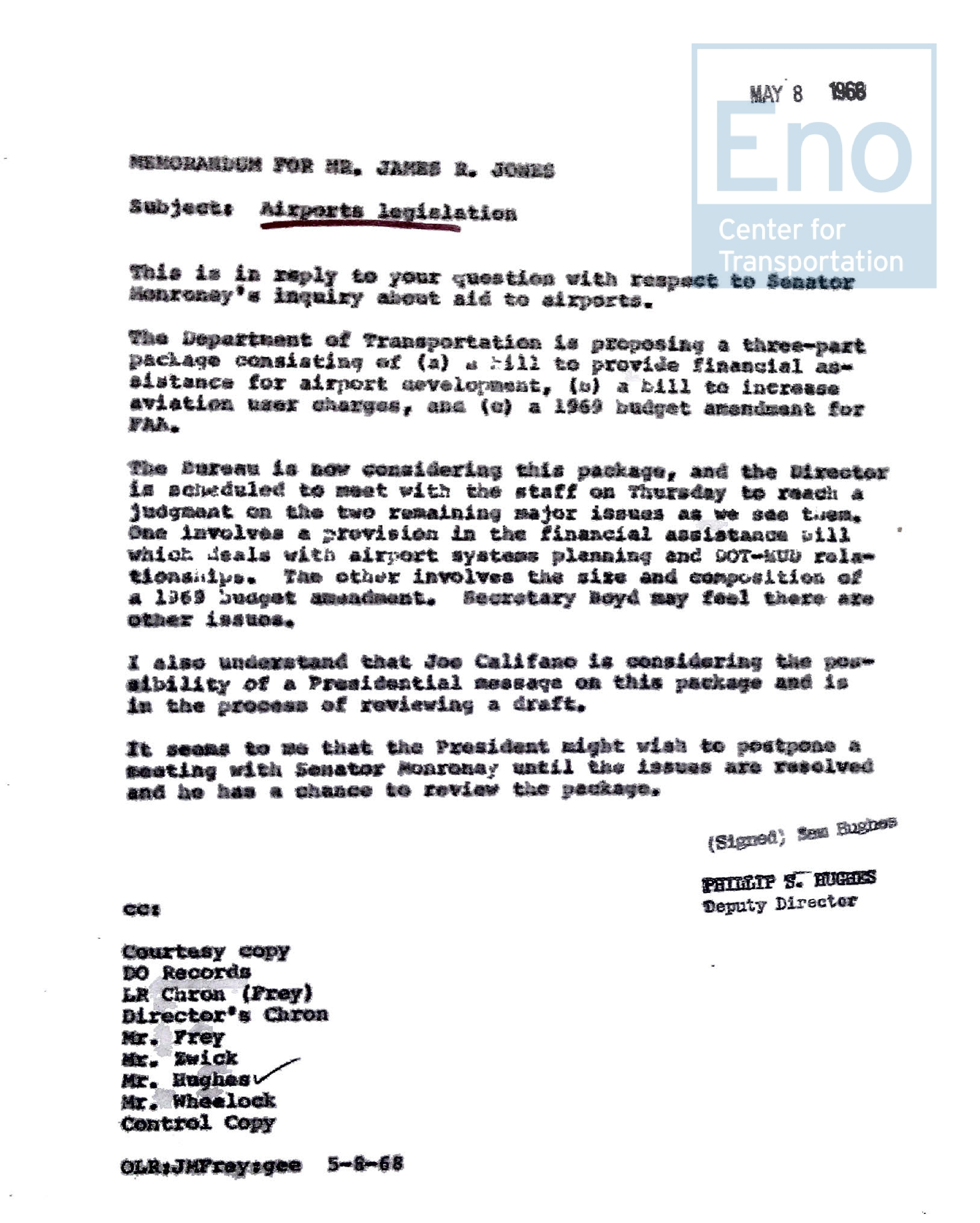 https://enotrans.org/wp-content/uploads/2023/02/membersOnly-1968-05-08-OMB-to-Jones-on-airports-pdf.jpg
3609
2892
ENO CENTER FOR TRANSPORTATION
https://enotrans.org/wp-content/uploads/2022/12/Eno-Logo-2.png
ENO CENTER FOR TRANSPORTATION2015-10-05 16:52:352023-04-28 14:10:121968 (May 8) BoB Airport-Airway Status Update for WH Chief of Staff
https://enotrans.org/wp-content/uploads/2023/02/membersOnly-1968-05-08-OMB-to-Jones-on-airports-pdf.jpg
3609
2892
ENO CENTER FOR TRANSPORTATION
https://enotrans.org/wp-content/uploads/2022/12/Eno-Logo-2.png
ENO CENTER FOR TRANSPORTATION2015-10-05 16:52:352023-04-28 14:10:121968 (May 8) BoB Airport-Airway Status Update for WH Chief of Staff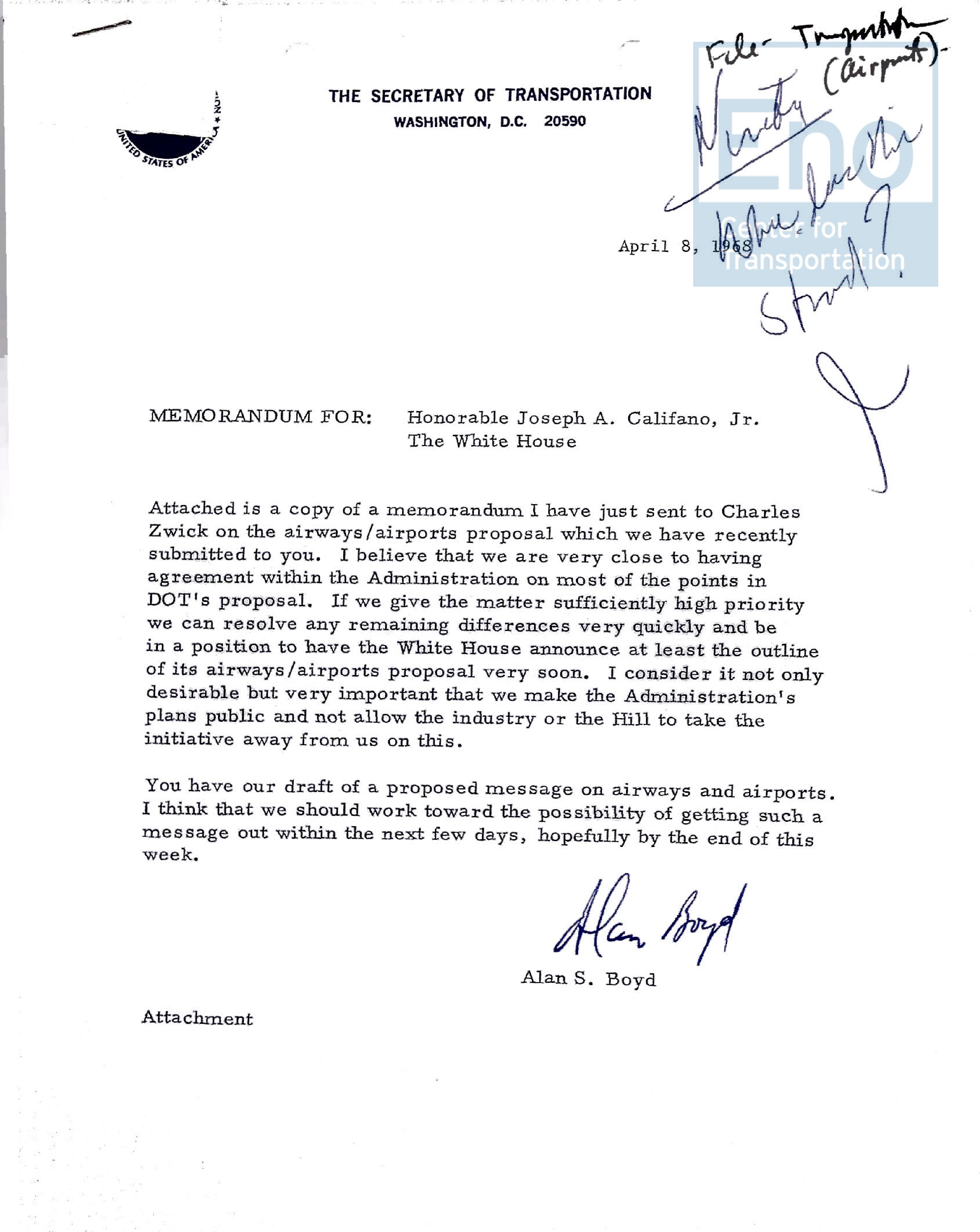 https://enotrans.org/wp-content/uploads/2023/02/membersOnly-1968-04-08-DOT-to-WH-and-OMB-pdf.jpg
3776
3003
ENO CENTER FOR TRANSPORTATION
https://enotrans.org/wp-content/uploads/2022/12/Eno-Logo-2.png
ENO CENTER FOR TRANSPORTATION2015-10-05 16:43:302023-04-28 14:10:121968 (Apr. 8) DOT memos to White House and BoB on Airport and Airway Proposal
https://enotrans.org/wp-content/uploads/2023/02/membersOnly-1968-01-08-Nimetz-to-Califano-A-A-budget-one-pager-pdf.jpg
3856
3070
ENO CENTER FOR TRANSPORTATION
https://enotrans.org/wp-content/uploads/2022/12/Eno-Logo-2.png
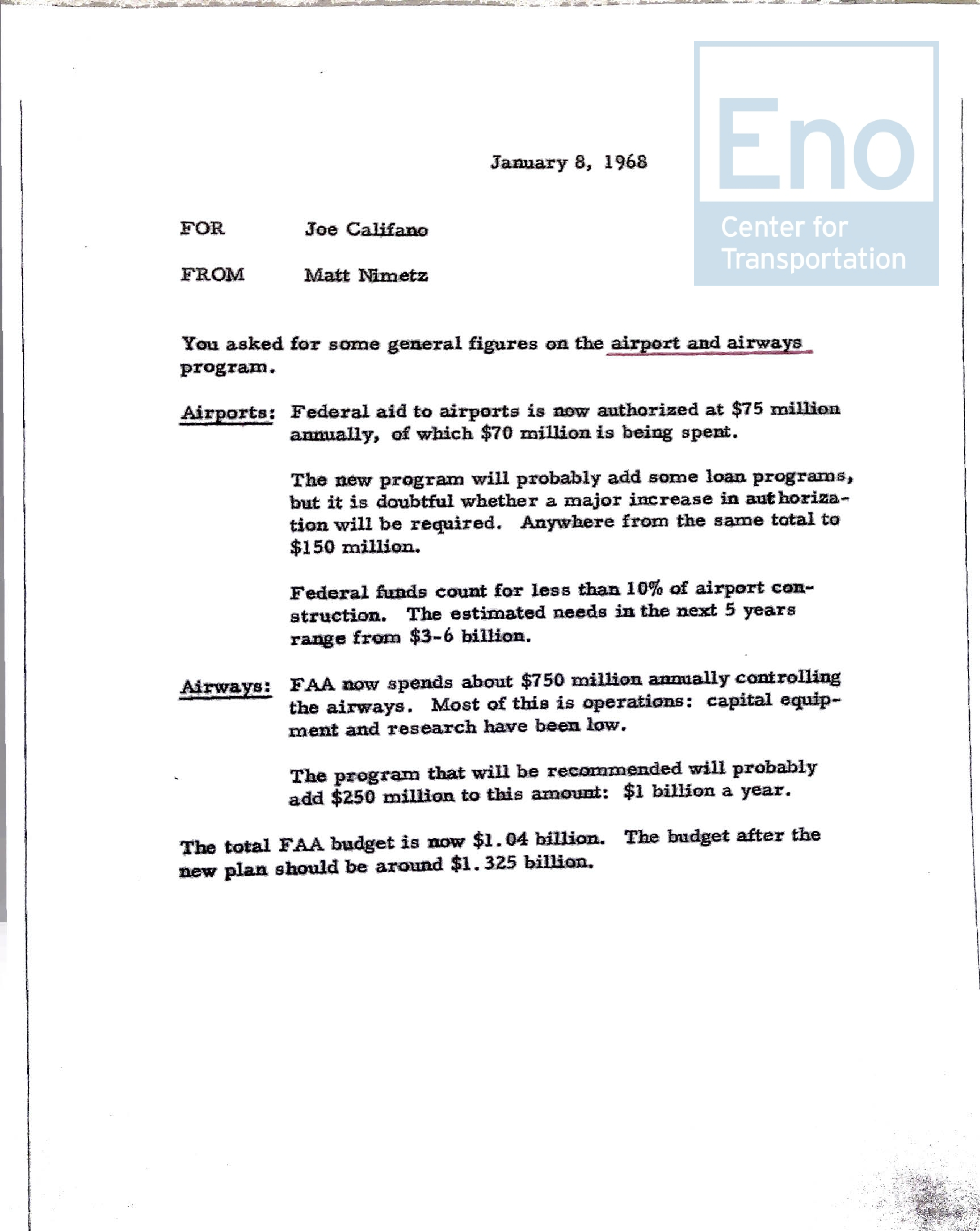
ENO CENTER FOR TRANSPORTATION2015-10-05 16:40:572023-04-28 14:10:111968 (Jan. 8) White House One-Page Summary of Airport and Airway Spending Proposal
https://enotrans.org/wp-content/uploads/2023/02/membersOnly-1968-04-08-DOT-to-WH-and-OMB-pdf.jpg
3776
3003
ENO CENTER FOR TRANSPORTATION
https://enotrans.org/wp-content/uploads/2022/12/Eno-Logo-2.png
ENO CENTER FOR TRANSPORTATION2015-10-05 16:43:302023-04-28 14:10:121968 (Apr. 8) DOT memos to White House and BoB on Airport and Airway Proposal
https://enotrans.org/wp-content/uploads/2023/02/membersOnly-1968-01-08-Nimetz-to-Califano-A-A-budget-one-pager-pdf.jpg
3856
3070
ENO CENTER FOR TRANSPORTATION
https://enotrans.org/wp-content/uploads/2022/12/Eno-Logo-2.png
ENO CENTER FOR TRANSPORTATION2015-10-05 16:40:572023-04-28 14:10:111968 (Jan. 8) White House One-Page Summary of Airport and Airway Spending ProposalRefreshing the Status Quo: Federal Highway Programs and Funding Distribution

This year, the federal government gave $45.6 billion in highway “formula” funding to the 50 states and the District of Columbia. The state-by-state distribution of this money was based almost entirely on how the states fared on a variety of real-world metrics back in calendar year 2007,...
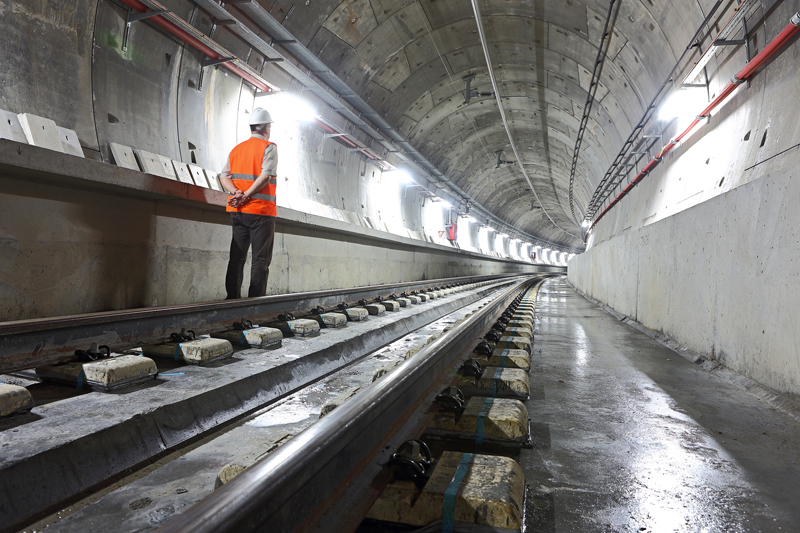
Eno is undertaking a research, policy, and communications project to analyze current and historical trends in transit project delivery