
 https://enotrans.org/wp-content/uploads/2022/12/Eno-Logo-2.png
0
0
Jeff Davis
https://enotrans.org/wp-content/uploads/2022/12/Eno-Logo-2.png
Jeff Davis2018-01-23 03:04:592023-04-17 09:31:26Shutdown Should End Tonight
https://enotrans.org/wp-content/uploads/2022/12/Eno-Logo-2.png
0
0
Jeff Davis
https://enotrans.org/wp-content/uploads/2022/12/Eno-Logo-2.png
Jeff Davis2018-01-23 03:04:592023-04-17 09:31:26Shutdown Should End TonightFederal, state, and local governments all play a significant role in funding $300 billion in annual transportation spending. The federal government supplies important capital funding for highways, transit systems, airports, waterways, and ports while also operating the nation’s air traffic control system. State and local governments have an equally important task to invest in and operate their transportation networks and rely on a broad range of revenue sources, from general revenues and debt, to fuel taxes, fees, and tolls.
https://enotrans.org/wp-content/uploads/2022/12/Eno-Logo-2.png
0
0
Jeff Davis
https://enotrans.org/wp-content/uploads/2022/12/Eno-Logo-2.png
Jeff Davis2018-01-23 03:04:592023-04-17 09:31:26Shutdown Should End Tonight https://enotrans.org/wp-content/uploads/2023/02/construction-site-2086521_1280.jpg
813
1280
Jeff Davis
https://enotrans.org/wp-content/uploads/2022/12/Eno-Logo-2.png
Jeff Davis2018-01-22 21:21:172023-06-27 19:12:106-Page Summary of Administration Infrastructure Plan Leaked; Won’t Contain Funding Offset
https://enotrans.org/wp-content/uploads/2023/02/construction-site-2086521_1280.jpg
813
1280
Jeff Davis
https://enotrans.org/wp-content/uploads/2022/12/Eno-Logo-2.png
Jeff Davis2018-01-22 21:21:172023-06-27 19:12:106-Page Summary of Administration Infrastructure Plan Leaked; Won’t Contain Funding Offset https://enotrans.org/wp-content/uploads/2023/02/Trump-Infrastructure-Plan-Outline-pdf.jpg
1408
1088
Greg Rogers
https://enotrans.org/wp-content/uploads/2022/12/Eno-Logo-2.png
Greg Rogers2018-01-22 21:05:352023-04-28 14:13:09Trump Infrastructure Plan Outline
https://enotrans.org/wp-content/uploads/2023/02/Trump-Infrastructure-Plan-Outline-pdf.jpg
1408
1088
Greg Rogers
https://enotrans.org/wp-content/uploads/2022/12/Eno-Logo-2.png
Greg Rogers2018-01-22 21:05:352023-04-28 14:13:09Trump Infrastructure Plan Outline https://enotrans.org/wp-content/uploads/2023/02/Bridge-to-nowhere.jpg
444
687
ENO CENTER FOR TRANSPORTATION
https://enotrans.org/wp-content/uploads/2022/12/Eno-Logo-2.png
ENO CENTER FOR TRANSPORTATION2018-01-18 12:51:212023-04-28 14:13:08Transportation Weekly – 2006 Study of SAFETEA-LU Earmarks
https://enotrans.org/wp-content/uploads/2022/12/Eno-Logo-2.png
0
0
Jeff Davis
https://enotrans.org/wp-content/uploads/2022/12/Eno-Logo-2.png
Jeff Davis2018-01-17 08:07:542023-04-17 09:33:04CR Extension Through Feb. 16 Introduced in House
https://enotrans.org/wp-content/uploads/2023/02/money-2173148_1280-e1495718384908-15.jpg
500
750
Jeff Davis
https://enotrans.org/wp-content/uploads/2022/12/Eno-Logo-2.png
Jeff Davis2018-01-13 00:47:342023-04-17 09:33:064-Week CR Likely As Budget Talks Continue
https://enotrans.org/wp-content/uploads/2023/02/Bridge-to-nowhere.jpg
444
687
ENO CENTER FOR TRANSPORTATION
https://enotrans.org/wp-content/uploads/2022/12/Eno-Logo-2.png
ENO CENTER FOR TRANSPORTATION2018-01-18 12:51:212023-04-28 14:13:08Transportation Weekly – 2006 Study of SAFETEA-LU Earmarks
https://enotrans.org/wp-content/uploads/2022/12/Eno-Logo-2.png
0
0
Jeff Davis
https://enotrans.org/wp-content/uploads/2022/12/Eno-Logo-2.png
Jeff Davis2018-01-17 08:07:542023-04-17 09:33:04CR Extension Through Feb. 16 Introduced in House
https://enotrans.org/wp-content/uploads/2023/02/money-2173148_1280-e1495718384908-15.jpg
500
750
Jeff Davis
https://enotrans.org/wp-content/uploads/2022/12/Eno-Logo-2.png
Jeff Davis2018-01-13 00:47:342023-04-17 09:33:064-Week CR Likely As Budget Talks Continue https://enotrans.org/wp-content/uploads/2023/01/the-white-house-1623005_1280-e1495718015548.jpg
427
750
Jeff Davis
https://enotrans.org/wp-content/uploads/2022/12/Eno-Logo-2.png
Jeff Davis2018-01-12 21:02:192023-04-17 09:33:08White House Infrastructure Bill: Maybe the Week of Jan. 22, Maybe the Week After.
https://enotrans.org/wp-content/uploads/2023/01/the-white-house-1623005_1280-e1495718015548.jpg
427
750
Jeff Davis
https://enotrans.org/wp-content/uploads/2022/12/Eno-Logo-2.png
Jeff Davis2018-01-12 21:02:192023-04-17 09:33:08White House Infrastructure Bill: Maybe the Week of Jan. 22, Maybe the Week After. https://enotrans.org/wp-content/uploads/2023/01/highway-construction-site-1891641_1280-e1494523430580.jpg
465
750
Jeff Davis
https://enotrans.org/wp-content/uploads/2022/12/Eno-Logo-2.png
Jeff Davis2018-01-12 18:59:442023-04-17 09:35:502017 TIFIA Loan Totals Top $4 Billion
https://enotrans.org/wp-content/uploads/2023/01/highway-construction-site-1891641_1280-e1494523430580.jpg
465
750
Jeff Davis
https://enotrans.org/wp-content/uploads/2022/12/Eno-Logo-2.png
Jeff Davis2018-01-12 18:59:442023-04-17 09:35:502017 TIFIA Loan Totals Top $4 Billion https://enotrans.org/wp-content/uploads/2023/01/Ray-at-2018-TRBAM.png
402
899
Greg Rogers
https://enotrans.org/wp-content/uploads/2022/12/Eno-Logo-2.png
Greg Rogers2018-01-12 18:48:102023-04-17 09:35:52At TRB, USDOT Downplays Infrastructure Bill, Emphasizes Agency Actions
https://enotrans.org/wp-content/uploads/2023/02/money-2173148_1280-e1495718384908-15.jpg
500
750
Jeff Davis
https://enotrans.org/wp-content/uploads/2022/12/Eno-Logo-2.png
Jeff Davis2017-12-22 20:13:492023-04-17 09:35:59Shutdown Averted (Until Jan. 19) but No Big Spending Decisions Made Yet
https://enotrans.org/wp-content/uploads/2022/12/Eno-Logo-2.png
0
0
Jeff Davis
https://enotrans.org/wp-content/uploads/2022/12/Eno-Logo-2.png
Jeff Davis2017-12-21 10:22:002023-04-17 09:36:07CR to Jan. 19 Plus CHIP, Missile Defense Funding, Tax Bill PAYGO Waiver Introduced
https://enotrans.org/wp-content/uploads/2022/12/Eno-Logo-2.png
0
0
Jeff Davis
https://enotrans.org/wp-content/uploads/2022/12/Eno-Logo-2.png
Jeff Davis2017-12-21 01:33:552023-04-17 09:36:06Appropriations Extension to Jan. 19 Still in Flux
https://enotrans.org/wp-content/uploads/2023/01/Ray-at-2018-TRBAM.png
402
899
Greg Rogers
https://enotrans.org/wp-content/uploads/2022/12/Eno-Logo-2.png
Greg Rogers2018-01-12 18:48:102023-04-17 09:35:52At TRB, USDOT Downplays Infrastructure Bill, Emphasizes Agency Actions
https://enotrans.org/wp-content/uploads/2023/02/money-2173148_1280-e1495718384908-15.jpg
500
750
Jeff Davis
https://enotrans.org/wp-content/uploads/2022/12/Eno-Logo-2.png
Jeff Davis2017-12-22 20:13:492023-04-17 09:35:59Shutdown Averted (Until Jan. 19) but No Big Spending Decisions Made Yet
https://enotrans.org/wp-content/uploads/2022/12/Eno-Logo-2.png
0
0
Jeff Davis
https://enotrans.org/wp-content/uploads/2022/12/Eno-Logo-2.png
Jeff Davis2017-12-21 10:22:002023-04-17 09:36:07CR to Jan. 19 Plus CHIP, Missile Defense Funding, Tax Bill PAYGO Waiver Introduced
https://enotrans.org/wp-content/uploads/2022/12/Eno-Logo-2.png
0
0
Jeff Davis
https://enotrans.org/wp-content/uploads/2022/12/Eno-Logo-2.png
Jeff Davis2017-12-21 01:33:552023-04-17 09:36:06Appropriations Extension to Jan. 19 Still in FluxRefreshing the Status Quo: Federal Highway Programs and Funding Distribution

This year, the federal government gave $45.6 billion in highway “formula” funding to the 50 states and the District of Columbia. The state-by-state distribution of this money was based almost entirely on how the states fared on a variety of real-world metrics back in calendar year 2007,...
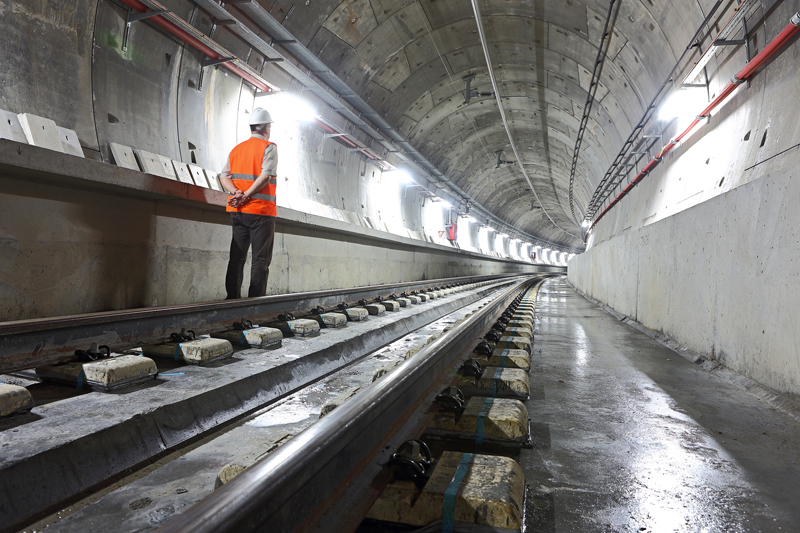
Eno is undertaking a research, policy, and communications project to analyze current and historical trends in transit project delivery