
Honoring This Tragedy Through Action
The Sept. 11, 2001, terrorist attacks are etched into the memories of everyone who lived through them. As our country mourned, aviation professionals lost friends, colleagues, and loved ones, and our industry changed forever. We saw our workplaces—our aircraft—turned into weapons of terror and destruction, and we made a promise to “Never Forget.”
That morning, I was scheduled to fly out of Atlanta, but I spent the day watching the tragedy unfold on the TV in the crew room with hundreds of my fellow pilots. As we all struggled with the realization that this was no accident—it was a terrorist attack on our country—we also grappled with the future of our industry. Would anyone want to fly again? How would we keep our workplaces safe and secure from potential future attacks? How would we honor our fallen colleagues?
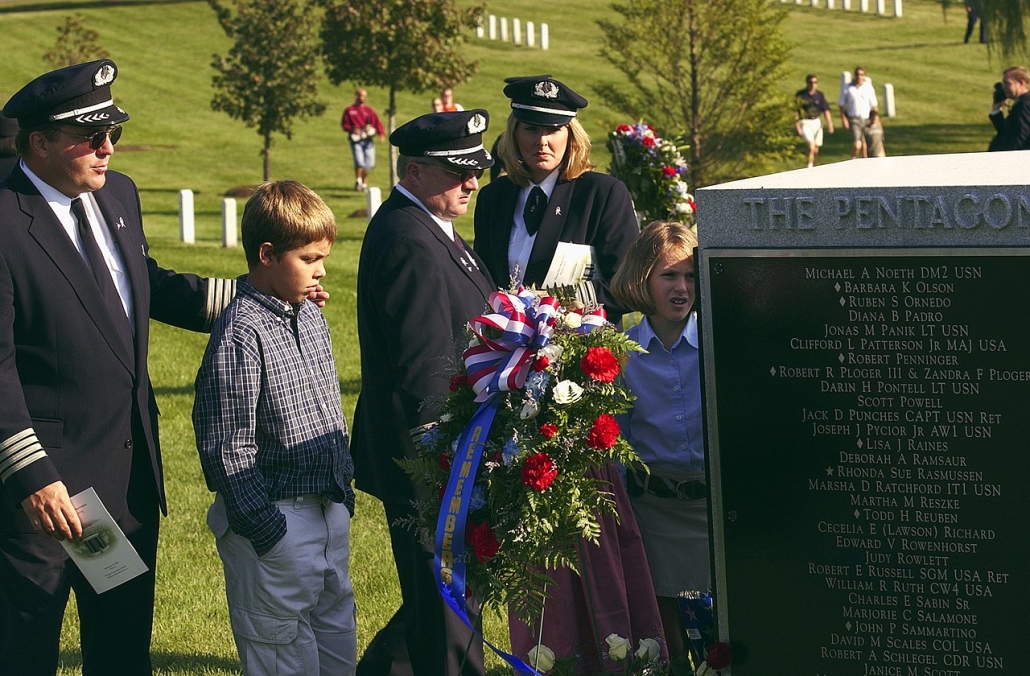
Pilots, crew and their families looking at the names on the memorial dedicated to the victims of the September 11 attacks on the Pentagon. Photo credit: U.S. Navy, September 11, 2003.
For generations, pilots have recognized that we must be the final arbiters of safety—both in flight and in our workplaces to improve safety and security standards. This is core to our mission at the Air Line Pilots Association, International. We fight for safety and security enhancements to honor our lost colleagues and others who perished so that similar tragedies aren’t repeated. In the years following the attacks, we made a vow to never forget. Not the lives taken. Not the courage of the first responders and bystanders who ran toward danger. And not our responsibility to make sure something like this could never happen again.
This vow shows up in the work we do year after year to strengthen aviation safety and security. We fought to harden the doors to the flight deck and stand up the Federal Flight Deck Officer program, which has since trained and armed thousands of pilots to serve as a last line of defense on approximately one million flights per year.
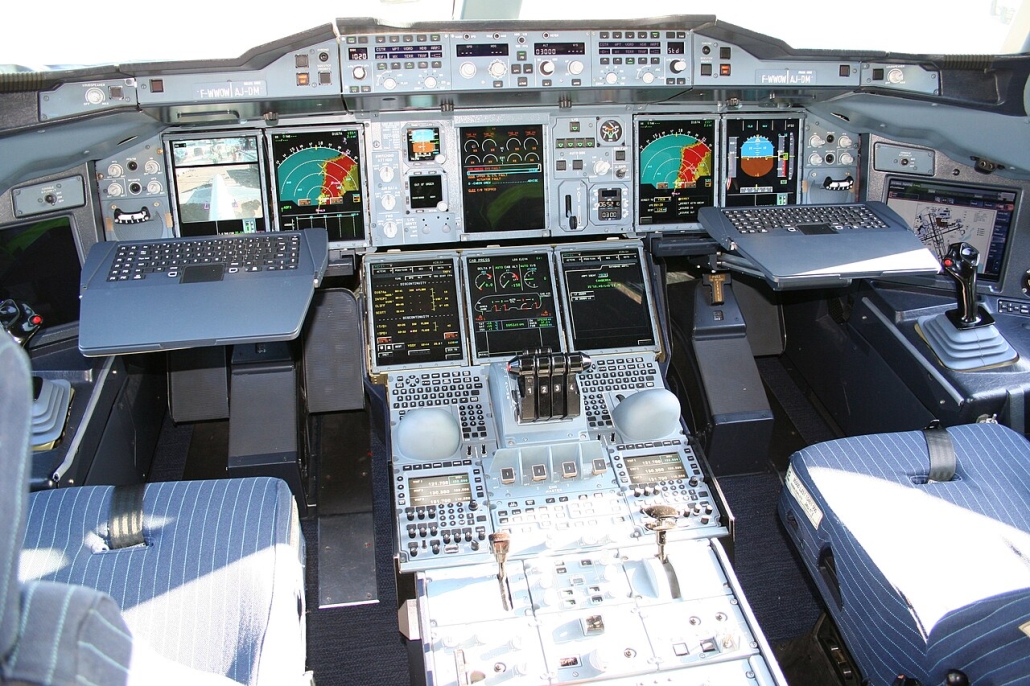
Flight deck (cockpit) of an Airbus large wide-body plane in 2007. Photo Credit: Nadsy on Wikimedia.
Still, there’s a gap that’s taken far too long to close: the installation of a barrier to protect the flight deck when the flight deck door is opened. These retractable security barriers act as an added layer of protection, preventing a hostile individual from rushing the flight deck when its door is open. In 2023, after more than two decades of advocacy by ALPA and others, the Federal Aviation Administration (FAA) finally mandated secondary barriers on newly manufactured passenger airliners.

Hardened door on plane. Photo credit: ALPA
Despite decades to prepare for this commonsense security update, the FAA has allowed airlines and manufacturers to continue dragging their feet with delayed installation deadlines. Most of these delayed deadlines have now passed—though not without further attempts to push them back. In August, the FAA denied a request from the Regional Airline Association for a new exemption. Secondary barriers on new aircraft are the law of the land. We now need the remaining airlines and manufacturers to finish the job and equip ALL newly manufactured passenger airliners with secondary barriers.
We’ve made real progress, but the work isn’t done. Every plane already in service, already carrying passengers, is still allowed to fly without a secondary barrier.
The FAA must issue rulemaking without delay requiring airlines to retrofit their planes already flying so that all passengers have the same aircraft security protections no matter which airplane they travel on.
This tragedy created turmoil for years within our industry. Passengers were nervous, and crews needed to be on high alert. I remember flying one of the first flights back when the skies reopened after the attacks, and only 20 of the hundred or so seats were filled with passengers. In that moment, I knew we had a long road ahead of us to secure our aircraft and bring passengers back on board. During the subsequent industry downturn, I was furloughed along with many of my colleagues.
In one morning, our country and industry changed forever. In the 25 years since, we’ve fought to make our aviation stronger, safer, and more secure. This work continues today as we advocate for security improvements like secondary barriers, as pilots volunteer to become federal flight deck officers, and as we come together to honor the lives lost.
We continue to mourn and heal. I’ll spend this anniversary surrounded by friends and colleagues at ALPA’s memorial ceremony in our Remembrance Garden in McLean, Va. Through ceremonies like this, we continue to rise from the ashes.
When we say we’ll never forget, this is what it means: We’ll never forget the lives lost that day and those who lost loved ones. We’ll never forget the first responders, some of whom are still suffering the health impacts of their bravery. We’ll never forget how our country came together in the aftermath. We’ll never forget that our industry can change in a single morning.
ALPA’s commitment to our members, the traveling public, and the communities under our wings is to remain vigilant and always put safety and security first.
Capt. Jason Ambrosi is the 12th president of the Air Line Pilots Association, International, the world’s largest airline pilot union representing more than 80,000 airline pilots in the United States and Canada.