
 https://enotrans.org/wp-content/uploads/2026/08/money-rolls-9-scaled-1.jpg
1706
2560
Jeff Davis
https://enotrans.org/wp-content/uploads/2022/12/Eno-Logo-2.png
Jeff Davis2026-05-22 05:47:362026-08-26 05:48:09BUILD America 250 Act Funding Tables
https://enotrans.org/wp-content/uploads/2026/08/money-rolls-9-scaled-1.jpg
1706
2560
Jeff Davis
https://enotrans.org/wp-content/uploads/2022/12/Eno-Logo-2.png
Jeff Davis2026-05-22 05:47:362026-08-26 05:48:09BUILD America 250 Act Funding TablesEno Transportation Weekly Coverage
Locks indicate subscriber-only content
https://enotrans.org/wp-content/uploads/2026/08/money-rolls-9-scaled-1.jpg
1706
2560
Jeff Davis
https://enotrans.org/wp-content/uploads/2022/12/Eno-Logo-2.png
Jeff Davis2026-05-22 05:47:362026-08-26 05:48:09BUILD America 250 Act Funding Tables https://enotrans.org/wp-content/uploads/2026/08/iStock-1332309468-scaled-1.jpg
977
2560
Karen Price
https://enotrans.org/wp-content/uploads/2022/12/Eno-Logo-2.png
Karen Price2026-05-18 18:37:212026-09-18 13:14:31Surface Transportation Reauth: What’s New, and What’s Next?
https://enotrans.org/wp-content/uploads/2026/08/iStock-1332309468-scaled-1.jpg
977
2560
Karen Price
https://enotrans.org/wp-content/uploads/2022/12/Eno-Logo-2.png
Karen Price2026-05-18 18:37:212026-09-18 13:14:31Surface Transportation Reauth: What’s New, and What’s Next?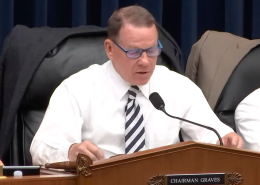 https://enotrans.org/wp-content/uploads/2026/03/Graves-head-shot.png
896
1201
Jeff Davis
https://enotrans.org/wp-content/uploads/2022/12/Eno-Logo-2.png
Jeff Davis2026-04-16 17:00:242026-04-22 13:53:22Graves Sets April 29 Markup Date for Surface Reauthorization, $550B Total (In Context)
https://enotrans.org/wp-content/uploads/2026/03/Graves-head-shot.png
896
1201
Jeff Davis
https://enotrans.org/wp-content/uploads/2022/12/Eno-Logo-2.png
Jeff Davis2026-04-16 17:00:242026-04-22 13:53:22Graves Sets April 29 Markup Date for Surface Reauthorization, $550B Total (In Context) https://enotrans.org/wp-content/uploads/2025/08/cap-money.jpg
1414
2121
Jeff Davis
https://enotrans.org/wp-content/uploads/2022/12/Eno-Logo-2.png
Jeff Davis2026-04-10 15:08:152026-04-24 12:38:50FY27 Budget Lacking Surface Transportation Reauthorization Proposal
https://enotrans.org/wp-content/uploads/2025/08/cap-money.jpg
1414
2121
Jeff Davis
https://enotrans.org/wp-content/uploads/2022/12/Eno-Logo-2.png
Jeff Davis2026-04-10 15:08:152026-04-24 12:38:50FY27 Budget Lacking Surface Transportation Reauthorization ProposalWhere Things Stand
Reauthorization Expected Timeline
Follow reauthorization week by week in ETW
Eno Transportation Weekly provides subscribers with in-depth, nonpartisan analysis of federal surface transportation policy. Published every week, read by congressional staff, agency leadership, state DOTs, industry, and the policy community.