
 https://enotrans.org/wp-content/uploads/2022/12/Eno-Logo-2.png
0
0
Jeff Davis
https://enotrans.org/wp-content/uploads/2022/12/Eno-Logo-2.png
Jeff Davis2015-09-18 18:40:432023-04-17 06:33:45Oct. 1 Shutdown Would Exempt FHWA and FMCSA; Life & Safety Exemptions Would Keep Over Half of USDOT Employees At Work
https://enotrans.org/wp-content/uploads/2022/12/Eno-Logo-2.png
0
0
Jeff Davis
https://enotrans.org/wp-content/uploads/2022/12/Eno-Logo-2.png
Jeff Davis2015-09-18 18:40:432023-04-17 06:33:45Oct. 1 Shutdown Would Exempt FHWA and FMCSA; Life & Safety Exemptions Would Keep Over Half of USDOT Employees At WorkMore than 13 million jobs—about 9 percent of civilian workforce in the United States—are transportation-related. This workforce pipeline includes a multitude of professions from bus and truck drivers, to autoworkers and engineers, in both motorized and non-motorized modes. Due to industry growth, transportation also has the potential to be a major U.S. job creator. Millions of workers will need to be hired to fill vacancies created by occupational transfers, retirements and other exits. However, certain transportation sectors are already facing critical workforce shortfalls and new governance models sometimes fail to take into consideration adequate protections for existing workers.
https://enotrans.org/wp-content/uploads/2022/12/Eno-Logo-2.png
0
0
Jeff Davis
https://enotrans.org/wp-content/uploads/2022/12/Eno-Logo-2.png
Jeff Davis2015-09-18 18:40:432023-04-17 06:33:45Oct. 1 Shutdown Would Exempt FHWA and FMCSA; Life & Safety Exemptions Would Keep Over Half of USDOT Employees At Work
https://enotrans.org/wp-content/uploads/2022/12/Eno-Logo-2.png
0
0
ENO CENTER FOR TRANSPORTATION
https://enotrans.org/wp-content/uploads/2022/12/Eno-Logo-2.png
ENO CENTER FOR TRANSPORTATION2015-09-17 15:05:512023-04-28 14:09:462012 FAA Modernization and Reform Act
https://enotrans.org/wp-content/uploads/2022/12/Eno-Logo-2.png
0
0
ENO CENTER FOR TRANSPORTATION
https://enotrans.org/wp-content/uploads/2022/12/Eno-Logo-2.png
ENO CENTER FOR TRANSPORTATION2015-09-17 15:01:362023-04-28 14:09:462003 Vision 100 – Century of Aviation Reauthorization Act
https://enotrans.org/wp-content/uploads/2022/12/Eno-Logo-2.png
0
0
ENO CENTER FOR TRANSPORTATION
https://enotrans.org/wp-content/uploads/2022/12/Eno-Logo-2.png
ENO CENTER FOR TRANSPORTATION2015-09-17 14:59:482023-04-28 14:09:452000 Wendell H. Ford Aviation Investment and Reform Act for the 21st Century (AIR-21)
https://enotrans.org/wp-content/uploads/2022/12/Eno-Logo-2.png
0
0
enoactualize
https://enotrans.org/wp-content/uploads/2022/12/Eno-Logo-2.png
enoactualize2015-09-14 17:28:292023-04-28 14:09:39Federal Aviation Administration (FAA) Reform Reference Page
https://enotrans.org/wp-content/uploads/2022/12/Eno-Logo-2.png
0
0
ENO CENTER FOR TRANSPORTATION
https://enotrans.org/wp-content/uploads/2022/12/Eno-Logo-2.png
ENO CENTER FOR TRANSPORTATION2015-09-11 21:53:092023-04-28 14:09:111964 Urban Mass Transportation Act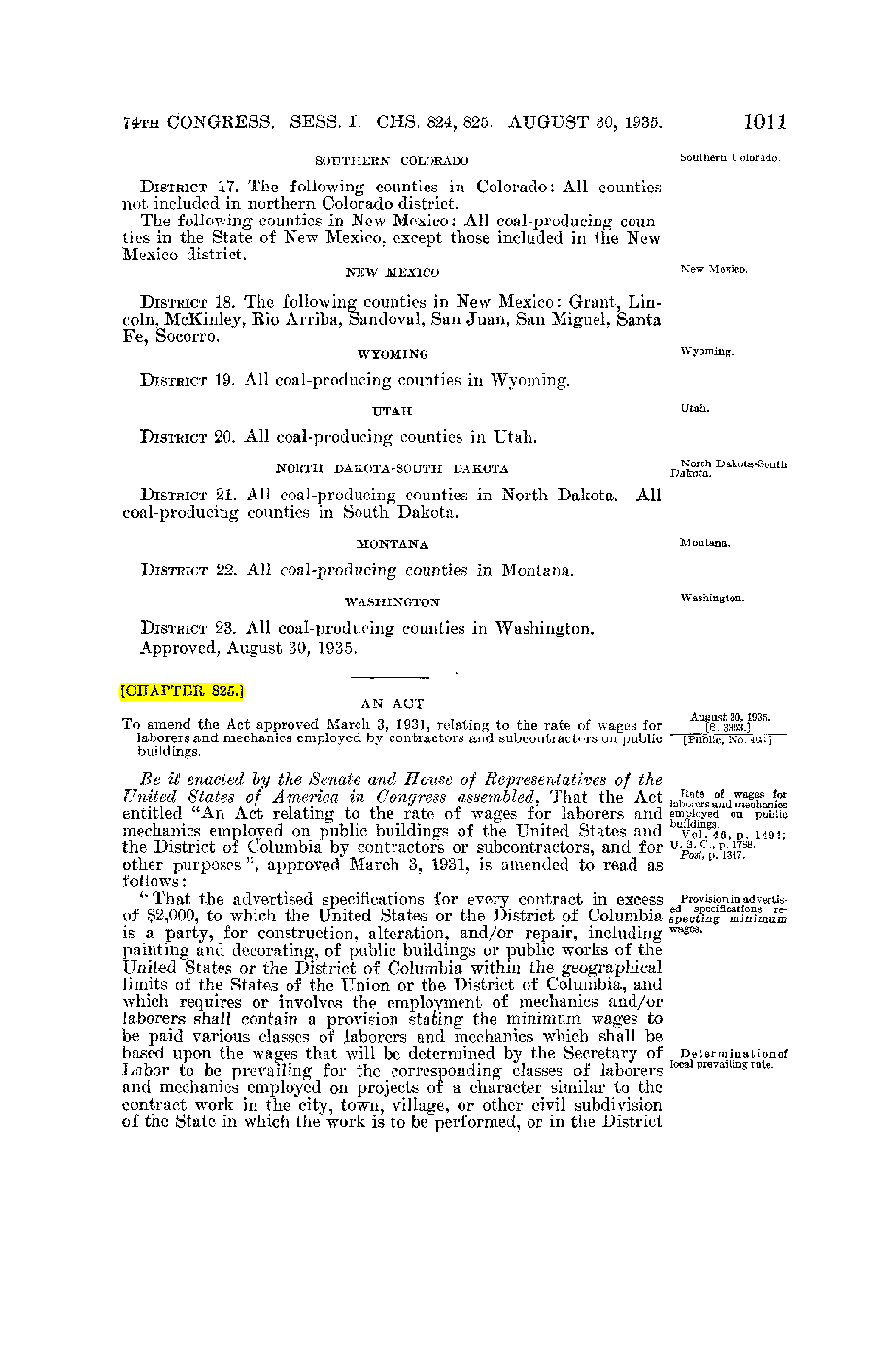 https://enotrans.org/wp-content/uploads/2023/02/membersOnly-1935-Davis-Bacon-Act-pdf.jpg
1412
914
ENO CENTER FOR TRANSPORTATION
https://enotrans.org/wp-content/uploads/2022/12/Eno-Logo-2.png
ENO CENTER FOR TRANSPORTATION2015-09-11 21:29:102023-04-28 14:09:081935 Davis-Bacon Act
https://enotrans.org/wp-content/uploads/2022/12/Eno-Logo-2.png
0
0
Ann Henebery
https://enotrans.org/wp-content/uploads/2022/12/Eno-Logo-2.png
Ann Henebery2015-09-10 19:10:212023-04-17 06:36:28In the Spotlight: Michael Audino
https://enotrans.org/wp-content/uploads/2023/04/Mantill-Williams-223x300-1.jpg
300
223
Ann Henebery
https://enotrans.org/wp-content/uploads/2022/12/Eno-Logo-2.png
Ann Henebery2015-09-10 18:54:212023-06-28 07:09:00In the Spotlight: Mantill Williams
https://enotrans.org/wp-content/uploads/2022/12/Eno-Logo-2.png
0
0
Jeff Davis
https://enotrans.org/wp-content/uploads/2022/12/Eno-Logo-2.png
Jeff Davis2015-09-09 21:21:072023-04-17 06:40:21July 27, 2015 11:34 p.m. – Senate Invokes Cloture on DRIVE Act
https://enotrans.org/wp-content/uploads/2022/12/Eno-Logo-2.png
0
0
Jeff Davis
https://enotrans.org/wp-content/uploads/2022/12/Eno-Logo-2.png
Jeff Davis2015-09-09 18:12:482023-04-17 06:50:23Foxx Defends DOT FY16 Budget Before Senate Appropriators
https://enotrans.org/wp-content/uploads/2022/12/Eno-Logo-2.png
0
0
Jeff Davis
https://enotrans.org/wp-content/uploads/2022/12/Eno-Logo-2.png
Jeff Davis2015-09-09 15:16:122023-04-17 06:54:16Eno NextGen Working Group Releases Statement of Principles for ATC Reform
https://enotrans.org/wp-content/uploads/2023/02/membersOnly-1935-Davis-Bacon-Act-pdf.jpg
1412
914
ENO CENTER FOR TRANSPORTATION
https://enotrans.org/wp-content/uploads/2022/12/Eno-Logo-2.png
ENO CENTER FOR TRANSPORTATION2015-09-11 21:29:102023-04-28 14:09:081935 Davis-Bacon Act
https://enotrans.org/wp-content/uploads/2022/12/Eno-Logo-2.png
0
0
Ann Henebery
https://enotrans.org/wp-content/uploads/2022/12/Eno-Logo-2.png
Ann Henebery2015-09-10 19:10:212023-04-17 06:36:28In the Spotlight: Michael Audino
https://enotrans.org/wp-content/uploads/2023/04/Mantill-Williams-223x300-1.jpg
300
223
Ann Henebery
https://enotrans.org/wp-content/uploads/2022/12/Eno-Logo-2.png
Ann Henebery2015-09-10 18:54:212023-06-28 07:09:00In the Spotlight: Mantill Williams
https://enotrans.org/wp-content/uploads/2022/12/Eno-Logo-2.png
0
0
Jeff Davis
https://enotrans.org/wp-content/uploads/2022/12/Eno-Logo-2.png
Jeff Davis2015-09-09 21:21:072023-04-17 06:40:21July 27, 2015 11:34 p.m. – Senate Invokes Cloture on DRIVE Act
https://enotrans.org/wp-content/uploads/2022/12/Eno-Logo-2.png
0
0
Jeff Davis
https://enotrans.org/wp-content/uploads/2022/12/Eno-Logo-2.png
Jeff Davis2015-09-09 18:12:482023-04-17 06:50:23Foxx Defends DOT FY16 Budget Before Senate Appropriators
https://enotrans.org/wp-content/uploads/2022/12/Eno-Logo-2.png
0
0
Jeff Davis
https://enotrans.org/wp-content/uploads/2022/12/Eno-Logo-2.png
Jeff Davis2015-09-09 15:16:122023-04-17 06:54:16Eno NextGen Working Group Releases Statement of Principles for ATC ReformReport: Aviation Workforce Challenges in the United States and the United Kingdom

The global aviation industry faces growing workforce challenges. Strong competition for workers, the changing nature of high-skill jobs, and a retiring generation all profoundly affect many countries’ modern economies. The problem is especially acute in the United States and the United…
Eno’s Professional Development Programs
Eno’s professional development programs are a premier training and education resource to help you meet these challenges as opportunities. Our work is centered on understanding the transportation workforce, identifying emerging talent, encouraging the next generation of leaders, and developing quality educational opportunities.