
 https://enotrans.org/wp-content/uploads/2022/12/Eno-Logo-2.png
0
0
Madeline Gorman
https://enotrans.org/wp-content/uploads/2022/12/Eno-Logo-2.png
Madeline Gorman2021-03-31 19:22:382023-02-15 11:38:27Rapid Response Webinar: Biden’s American Jobs Plan and Transportation
https://enotrans.org/wp-content/uploads/2022/12/Eno-Logo-2.png
0
0
Madeline Gorman
https://enotrans.org/wp-content/uploads/2022/12/Eno-Logo-2.png
Madeline Gorman2021-03-31 19:22:382023-02-15 11:38:27Rapid Response Webinar: Biden’s American Jobs Plan and TransportationFederal, state, and local governments all play a significant role in funding $300 billion in annual transportation spending. The federal government supplies important capital funding for highways, transit systems, airports, waterways, and ports while also operating the nation’s air traffic control system. State and local governments have an equally important task to invest in and operate their transportation networks and rely on a broad range of revenue sources, from general revenues and debt, to fuel taxes, fees, and tolls.
https://enotrans.org/wp-content/uploads/2022/12/Eno-Logo-2.png
0
0
Madeline Gorman
https://enotrans.org/wp-content/uploads/2022/12/Eno-Logo-2.png
Madeline Gorman2021-03-31 19:22:382023-02-15 11:38:27Rapid Response Webinar: Biden’s American Jobs Plan and Transportation https://enotrans.org/wp-content/uploads/2023/02/money-benjamin-100-scaled-9.jpg
1707
2560
Jeff Davis
https://enotrans.org/wp-content/uploads/2022/12/Eno-Logo-2.png
Jeff Davis2021-03-31 18:08:312023-04-14 11:14:19Biden’s $2.3 Trillion Investment Plan Includes $571 Billion for Transportation Infrastructure
https://enotrans.org/wp-content/uploads/2022/12/Eno-Logo-2.png
0
0
Jeff Davis
https://enotrans.org/wp-content/uploads/2022/12/Eno-Logo-2.png
Jeff Davis2021-03-30 09:02:092023-04-28 14:16:01A gas tax? A mileage tax? Biden wary of user fees to pay for roads, bridges and highways
https://enotrans.org/wp-content/uploads/2023/02/money-benjamin-100-scaled-9.jpg
1707
2560
Jeff Davis
https://enotrans.org/wp-content/uploads/2022/12/Eno-Logo-2.png
Jeff Davis2021-03-31 18:08:312023-04-14 11:14:19Biden’s $2.3 Trillion Investment Plan Includes $571 Billion for Transportation Infrastructure
https://enotrans.org/wp-content/uploads/2022/12/Eno-Logo-2.png
0
0
Jeff Davis
https://enotrans.org/wp-content/uploads/2022/12/Eno-Logo-2.png
Jeff Davis2021-03-30 09:02:092023-04-28 14:16:01A gas tax? A mileage tax? Biden wary of user fees to pay for roads, bridges and highways https://enotrans.org/wp-content/uploads/2023/02/white-house-1612509_1920-1-e1484761347114.jpg
500
750
Jeff Davis
https://enotrans.org/wp-content/uploads/2022/12/Eno-Logo-2.png
Jeff Davis2021-03-26 18:39:072023-04-14 11:14:15Biden to Release Infrastructure Plan, Budget Outline Next Week
https://enotrans.org/wp-content/uploads/2023/02/white-house-1612509_1920-1-e1484761347114.jpg
500
750
Jeff Davis
https://enotrans.org/wp-content/uploads/2022/12/Eno-Logo-2.png
Jeff Davis2021-03-26 18:39:072023-04-14 11:14:15Biden to Release Infrastructure Plan, Budget Outline Next Week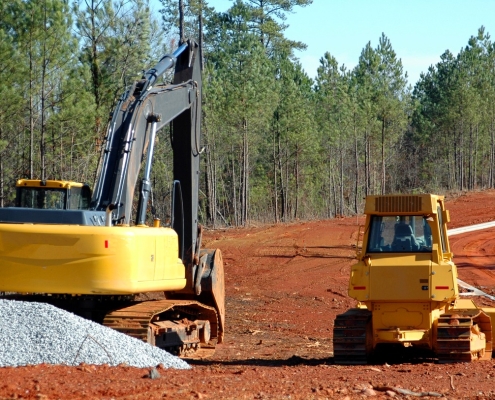 https://enotrans.org/wp-content/uploads/2023/02/construction-site-2086521_1280.jpg
813
1280
Hayley Burton
https://enotrans.org/wp-content/uploads/2022/12/Eno-Logo-2.png
Hayley Burton2021-03-26 18:37:112023-04-14 11:14:17Senate Committee Hearing on Rebuilding America’s Transportation Infrastructure
https://enotrans.org/wp-content/uploads/2023/02/construction-site-2086521_1280.jpg
813
1280
Hayley Burton
https://enotrans.org/wp-content/uploads/2022/12/Eno-Logo-2.png
Hayley Burton2021-03-26 18:37:112023-04-14 11:14:17Senate Committee Hearing on Rebuilding America’s Transportation Infrastructure https://enotrans.org/wp-content/uploads/2023/02/us-capitol-325342_1920-e1478720897913.jpg
502
750
Jeff Davis
https://enotrans.org/wp-content/uploads/2022/12/Eno-Logo-2.png
Jeff Davis2021-03-19 14:58:372023-06-27 17:57:41House Republicans Vote to Accept Earmarks, but Under Unlikely Rules
https://enotrans.org/wp-content/uploads/2022/12/Eno-Logo-2.png
0
0
Jeff Davis
https://enotrans.org/wp-content/uploads/2022/12/Eno-Logo-2.png
Jeff Davis2021-03-18 16:00:252023-04-28 14:15:58What’s Doable If Democrats Go It Alone on Infrastructure
https://enotrans.org/wp-content/uploads/2022/12/Eno-Logo-2.png
0
0
Jeff Davis
https://enotrans.org/wp-content/uploads/2022/12/Eno-Logo-2.png
Jeff Davis2021-03-15 21:13:542023-04-28 14:15:57Next on Democrats’ agenda, a “holistic” infrastructure bill
https://enotrans.org/wp-content/uploads/2023/02/us-capitol-325342_1920-e1478720897913.jpg
502
750
Jeff Davis
https://enotrans.org/wp-content/uploads/2022/12/Eno-Logo-2.png
Jeff Davis2021-03-19 14:58:372023-06-27 17:57:41House Republicans Vote to Accept Earmarks, but Under Unlikely Rules
https://enotrans.org/wp-content/uploads/2022/12/Eno-Logo-2.png
0
0
Jeff Davis
https://enotrans.org/wp-content/uploads/2022/12/Eno-Logo-2.png
Jeff Davis2021-03-18 16:00:252023-04-28 14:15:58What’s Doable If Democrats Go It Alone on Infrastructure
https://enotrans.org/wp-content/uploads/2022/12/Eno-Logo-2.png
0
0
Jeff Davis
https://enotrans.org/wp-content/uploads/2022/12/Eno-Logo-2.png
Jeff Davis2021-03-15 21:13:542023-04-28 14:15:57Next on Democrats’ agenda, a “holistic” infrastructure bill https://enotrans.org/wp-content/uploads/2023/02/iStock-503375767-e1512765284390.jpg
500
750
Jeff Davis
https://enotrans.org/wp-content/uploads/2022/12/Eno-Logo-2.png
Jeff Davis2021-03-12 19:43:532023-04-14 11:14:02Biden Signs $1.9T COVID/Stimulus Bill Into Law
https://enotrans.org/wp-content/uploads/2023/02/money-50-100-benjamin-scaled-7.jpg
1707
2560
Jeff Davis
https://enotrans.org/wp-content/uploads/2022/12/Eno-Logo-2.png
Jeff Davis2021-03-12 19:20:082023-06-27 17:57:41Giving Guaranteed Multi-Year Funding for Transportation Outside a Trust Fund
https://enotrans.org/wp-content/uploads/2022/12/Eno-Logo-2.png
0
0
Jeff Davis
https://enotrans.org/wp-content/uploads/2022/12/Eno-Logo-2.png
Jeff Davis2021-03-11 10:01:282023-04-28 14:15:57Democrats to Struggle Going ‘Solo’ on Main Parts of Highway Bill
https://enotrans.org/wp-content/uploads/2022/12/Eno-Logo-2.png
0
0
Jeff Davis
https://enotrans.org/wp-content/uploads/2022/12/Eno-Logo-2.png
Jeff Davis2021-03-08 12:26:022023-04-28 14:15:56Airlines, public transit agencies say $1.9 trillion relief plan would prevent deep cuts, job losses
https://enotrans.org/wp-content/uploads/2023/02/iStock-503375767-e1512765284390.jpg
500
750
Jeff Davis
https://enotrans.org/wp-content/uploads/2022/12/Eno-Logo-2.png
Jeff Davis2021-03-12 19:43:532023-04-14 11:14:02Biden Signs $1.9T COVID/Stimulus Bill Into Law
https://enotrans.org/wp-content/uploads/2023/02/money-50-100-benjamin-scaled-7.jpg
1707
2560
Jeff Davis
https://enotrans.org/wp-content/uploads/2022/12/Eno-Logo-2.png
Jeff Davis2021-03-12 19:20:082023-06-27 17:57:41Giving Guaranteed Multi-Year Funding for Transportation Outside a Trust Fund
https://enotrans.org/wp-content/uploads/2022/12/Eno-Logo-2.png
0
0
Jeff Davis
https://enotrans.org/wp-content/uploads/2022/12/Eno-Logo-2.png
Jeff Davis2021-03-11 10:01:282023-04-28 14:15:57Democrats to Struggle Going ‘Solo’ on Main Parts of Highway Bill
https://enotrans.org/wp-content/uploads/2022/12/Eno-Logo-2.png
0
0
Jeff Davis
https://enotrans.org/wp-content/uploads/2022/12/Eno-Logo-2.png
Jeff Davis2021-03-08 12:26:022023-04-28 14:15:56Airlines, public transit agencies say $1.9 trillion relief plan would prevent deep cuts, job lossesRefreshing the Status Quo: Federal Highway Programs and Funding Distribution

This year, the federal government gave $45.6 billion in highway “formula” funding to the 50 states and the District of Columbia. The state-by-state distribution of this money was based almost entirely on how the states fared on a variety of real-world metrics back in calendar year 2007,...
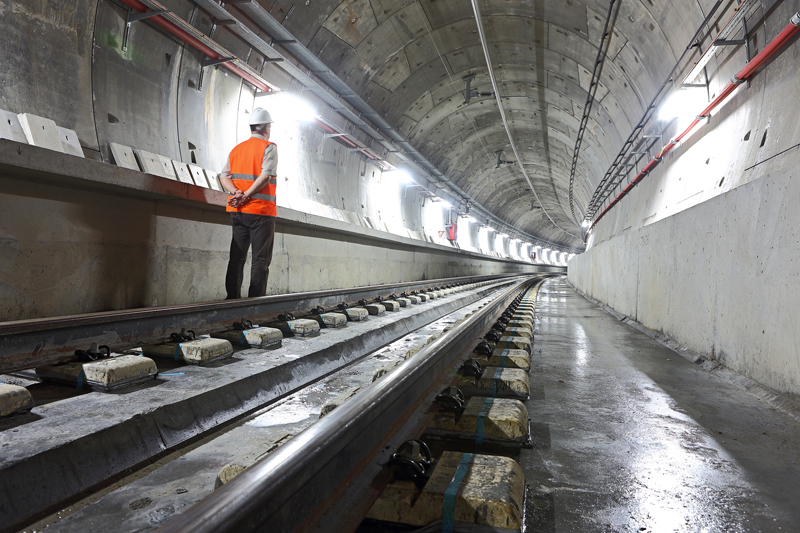
Eno is undertaking a research, policy, and communications project to analyze current and historical trends in transit project delivery