
 https://enotrans.org/wp-content/uploads/2022/12/Eno-Logo-2.png
0
0
Jeff Davis
https://enotrans.org/wp-content/uploads/2022/12/Eno-Logo-2.png
Jeff Davis2021-11-15 19:30:182023-04-28 14:16:41Biden Signs $1 Trillion Infrastructure Bill Into Law
https://enotrans.org/wp-content/uploads/2022/12/Eno-Logo-2.png
0
0
Jeff Davis
https://enotrans.org/wp-content/uploads/2022/12/Eno-Logo-2.png
Jeff Davis2021-11-15 19:30:182023-04-28 14:16:41Biden Signs $1 Trillion Infrastructure Bill Into LawFederal, state, and local governments all play a significant role in funding $300 billion in annual transportation spending. The federal government supplies important capital funding for highways, transit systems, airports, waterways, and ports while also operating the nation’s air traffic control system. State and local governments have an equally important task to invest in and operate their transportation networks and rely on a broad range of revenue sources, from general revenues and debt, to fuel taxes, fees, and tolls.
https://enotrans.org/wp-content/uploads/2022/12/Eno-Logo-2.png
0
0
Jeff Davis
https://enotrans.org/wp-content/uploads/2022/12/Eno-Logo-2.png
Jeff Davis2021-11-15 19:30:182023-04-28 14:16:41Biden Signs $1 Trillion Infrastructure Bill Into Law
https://enotrans.org/wp-content/uploads/2022/12/Eno-Logo-2.png
0
0
Jeff Davis
https://enotrans.org/wp-content/uploads/2022/12/Eno-Logo-2.png
Jeff Davis2021-11-14 19:25:112023-04-28 14:16:40Buttigieg’s star rises as $1T Biden agenda shifts toward him
https://enotrans.org/wp-content/uploads/2022/12/Eno-Logo-2.png
0
0
Jeff Davis
https://enotrans.org/wp-content/uploads/2022/12/Eno-Logo-2.png
Jeff Davis2021-11-12 19:21:532023-04-28 14:16:39Biden Plan Funds New Bridges That Locals May Not Want
https://enotrans.org/wp-content/uploads/2022/12/Eno-Logo-2.png
0
0
Jeff Davis
https://enotrans.org/wp-content/uploads/2022/12/Eno-Logo-2.png
Jeff Davis2021-11-09 18:46:062023-04-28 14:16:39Here’s how long it may take Biden’s infrastructure package to jolt the economy
https://enotrans.org/wp-content/uploads/2022/12/Eno-Logo-2.png
0
0
Jeff Davis
https://enotrans.org/wp-content/uploads/2022/12/Eno-Logo-2.png
Jeff Davis2021-11-09 18:33:522023-04-28 14:16:38The false claim that only 11 percent of the infrastructure bill goes to ‘real infrastructure’
https://enotrans.org/wp-content/uploads/2022/12/Eno-Logo-2.png
0
0
Robert Puentes
https://enotrans.org/wp-content/uploads/2022/12/Eno-Logo-2.png
Robert Puentes2021-11-08 18:38:312023-04-28 14:16:38When will we see the economic impact of new infrastructure spending?
https://enotrans.org/wp-content/uploads/2022/12/Eno-Logo-2.png
0
0
Jeff Davis
https://enotrans.org/wp-content/uploads/2022/12/Eno-Logo-2.png
Jeff Davis2021-11-07 18:15:042023-04-28 14:16:37AP FACT CHECK: Biden hypes $1T bill impact on electric cars
https://enotrans.org/wp-content/uploads/2022/12/Eno-Logo-2.png
0
0
Jeff Davis
https://enotrans.org/wp-content/uploads/2022/12/Eno-Logo-2.png
Jeff Davis2021-11-07 18:10:552023-04-28 14:16:37Infrastructure Bill Gives Biden Administration Greater Say Over Projects
https://enotrans.org/wp-content/uploads/2022/12/Eno-Logo-2.png
0
0
Jeff Davis
https://enotrans.org/wp-content/uploads/2022/12/Eno-Logo-2.png
Jeff Davis2021-11-06 17:27:552023-04-28 14:16:38How the $1 Trillion Infrastructure Bill Aims to Affect Americans’ Lives
https://enotrans.org/wp-content/uploads/2022/12/Eno-Logo-2.png
0
0
Jeff Davis
https://enotrans.org/wp-content/uploads/2022/12/Eno-Logo-2.png
Jeff Davis2021-11-06 17:06:362023-04-28 14:16:37Infrastructure measure includes fund to ensure nation’s transit stations are accessible
https://enotrans.org/wp-content/uploads/2023/04/money-assorted-bills-5-1-100-stack-scaled-2.jpg
1707
2560
Jeff Davis
https://enotrans.org/wp-content/uploads/2022/12/Eno-Logo-2.png
Jeff Davis2021-11-05 20:09:112023-04-14 11:20:04Year-Long CR Would Threaten First Year of BIB Funding Growth
https://enotrans.org/wp-content/uploads/2022/12/Eno-Logo-2.png
0
0
Jeff Davis
https://enotrans.org/wp-content/uploads/2022/12/Eno-Logo-2.png
Jeff Davis2021-11-01 15:10:252023-04-28 14:16:37Revised budget bill cuts more than $10 billion in transportation fundsRefreshing the Status Quo: Federal Highway Programs and Funding Distribution

This year, the federal government gave $45.6 billion in highway “formula” funding to the 50 states and the District of Columbia. The state-by-state distribution of this money was based almost entirely on how the states fared on a variety of real-world metrics back in calendar year 2007,...
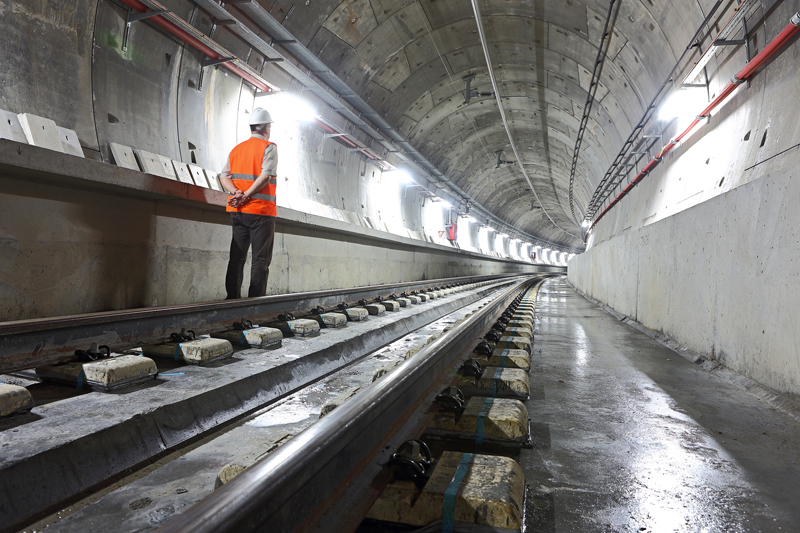
Eno is undertaking a research, policy, and communications project to analyze current and historical trends in transit project delivery