
 https://enotrans.org/wp-content/uploads/2022/12/Eno-Logo-2.png
0
0
Jeff Davis
https://enotrans.org/wp-content/uploads/2022/12/Eno-Logo-2.png
Jeff Davis2015-09-09 23:41:172023-04-17 06:38:25Transportation Amendments to H.R. 2577 Offered in the House but Not Adopted
https://enotrans.org/wp-content/uploads/2022/12/Eno-Logo-2.png
0
0
Jeff Davis
https://enotrans.org/wp-content/uploads/2022/12/Eno-Logo-2.png
Jeff Davis2015-09-09 23:41:172023-04-17 06:38:25Transportation Amendments to H.R. 2577 Offered in the House but Not AdoptedFederal, state, and local governments all play a significant role in funding $300 billion in annual transportation spending. The federal government supplies important capital funding for highways, transit systems, airports, waterways, and ports while also operating the nation’s air traffic control system. State and local governments have an equally important task to invest in and operate their transportation networks and rely on a broad range of revenue sources, from general revenues and debt, to fuel taxes, fees, and tolls.
https://enotrans.org/wp-content/uploads/2022/12/Eno-Logo-2.png
0
0
Jeff Davis
https://enotrans.org/wp-content/uploads/2022/12/Eno-Logo-2.png
Jeff Davis2015-09-09 23:41:172023-04-17 06:38:25Transportation Amendments to H.R. 2577 Offered in the House but Not Adopted
https://enotrans.org/wp-content/uploads/2022/12/Eno-Logo-2.png
0
0
Jeff Davis
https://enotrans.org/wp-content/uploads/2022/12/Eno-Logo-2.png
Jeff Davis2015-09-09 23:40:202023-04-17 06:38:26Transportation Amendments to H.R. 2577 Adopted by the House of Representatives
https://enotrans.org/wp-content/uploads/2022/12/Eno-Logo-2.png
0
0
Jeff Davis
https://enotrans.org/wp-content/uploads/2022/12/Eno-Logo-2.png
Jeff Davis2015-09-09 23:39:132023-04-17 06:38:33House Passes FY16 Transportation Appropriations Bill https://enotrans.org/wp-content/uploads/2023/02/ETW20150604THUD-amends.png
565
1051
Jeff Davis
https://enotrans.org/wp-content/uploads/2022/12/Eno-Logo-2.png
Jeff Davis2015-09-09 23:30:342023-06-28 07:09:01Transportation-Related Amendments Offered to the FY16 THUD Bill in the House on June 3
https://enotrans.org/wp-content/uploads/2023/02/ETW20150604THUD-amends.png
565
1051
Jeff Davis
https://enotrans.org/wp-content/uploads/2022/12/Eno-Logo-2.png
Jeff Davis2015-09-09 23:30:342023-06-28 07:09:01Transportation-Related Amendments Offered to the FY16 THUD Bill in the House on June 3 https://enotrans.org/wp-content/uploads/2023/02/ETW20150604big6.png
608
1051
Jeff Davis
https://enotrans.org/wp-content/uploads/2022/12/Eno-Logo-2.png
Jeff Davis2015-09-09 23:28:572023-06-28 07:09:01House Starts Work on FY16 Transportation Appropriations
https://enotrans.org/wp-content/uploads/2023/02/ETW20150604big6.png
608
1051
Jeff Davis
https://enotrans.org/wp-content/uploads/2022/12/Eno-Logo-2.png
Jeff Davis2015-09-09 23:28:572023-06-28 07:09:01House Starts Work on FY16 Transportation Appropriations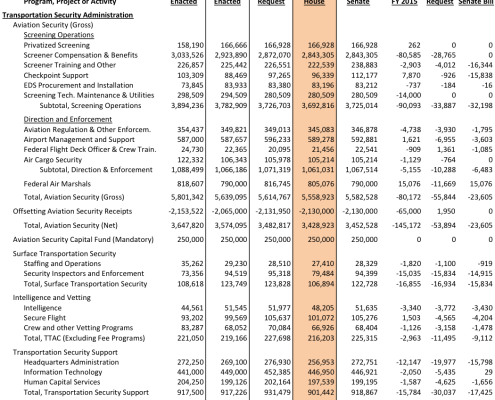 https://enotrans.org/wp-content/uploads/2023/02/table5713.png
1060
1050
Jeff Davis
https://enotrans.org/wp-content/uploads/2022/12/Eno-Logo-2.png
Jeff Davis2015-09-09 23:03:462023-06-28 07:09:01House Committee Approves FY16 Homeland Appropriations Bill
https://enotrans.org/wp-content/uploads/2023/02/table5713.png
1060
1050
Jeff Davis
https://enotrans.org/wp-content/uploads/2022/12/Eno-Logo-2.png
Jeff Davis2015-09-09 23:03:462023-06-28 07:09:01House Committee Approves FY16 Homeland Appropriations Bill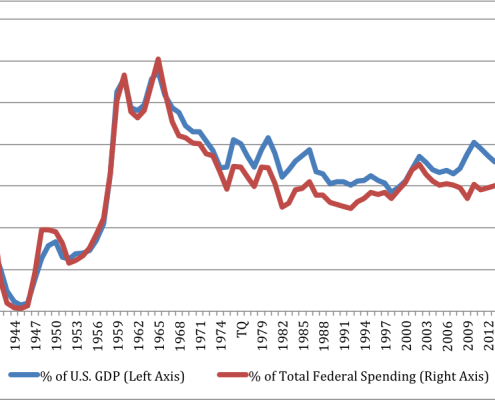 https://enotrans.org/wp-content/uploads/2023/02/ETW20150506ICW.png
600
1053
Jeff Davis
https://enotrans.org/wp-content/uploads/2022/12/Eno-Logo-2.png
Jeff Davis2015-09-09 22:51:142023-06-28 07:09:02Interesting Chart of the Week
https://enotrans.org/wp-content/uploads/2023/02/ETW20150506ICW.png
600
1053
Jeff Davis
https://enotrans.org/wp-content/uploads/2022/12/Eno-Logo-2.png
Jeff Davis2015-09-09 22:51:142023-06-28 07:09:02Interesting Chart of the Week https://enotrans.org/wp-content/uploads/2023/02/713table4.png
827
1050
Jeff Davis
https://enotrans.org/wp-content/uploads/2022/12/Eno-Logo-2.png
Jeff Davis2015-09-09 22:50:142023-06-28 07:09:02House HTF Extension Continues TSA User Fee Mismatch
https://enotrans.org/wp-content/uploads/2023/02/713table4.png
827
1050
Jeff Davis
https://enotrans.org/wp-content/uploads/2022/12/Eno-Logo-2.png
Jeff Davis2015-09-09 22:50:142023-06-28 07:09:02House HTF Extension Continues TSA User Fee Mismatch https://enotrans.org/wp-content/uploads/2023/02/ETW20150506Corps1.png
283
1051
Jeff Davis
https://enotrans.org/wp-content/uploads/2022/12/Eno-Logo-2.png
Jeff Davis2015-09-09 22:47:352023-06-28 07:09:02House Passes FY16 Corps of Engineers Funding
https://enotrans.org/wp-content/uploads/2023/02/ETW20150506Corps1.png
283
1051
Jeff Davis
https://enotrans.org/wp-content/uploads/2022/12/Eno-Logo-2.png
Jeff Davis2015-09-09 22:47:352023-06-28 07:09:02House Passes FY16 Corps of Engineers Funding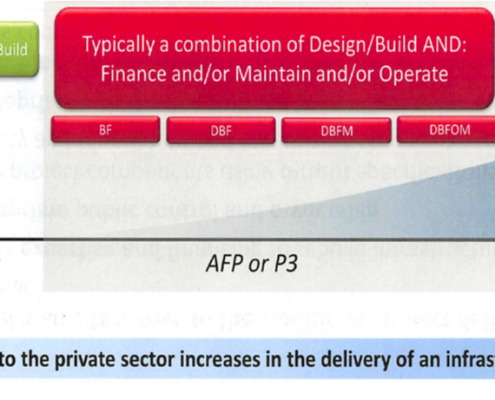 https://enotrans.org/wp-content/uploads/2023/02/ETW20150429P3.png
461
1049
Emily Han
https://enotrans.org/wp-content/uploads/2022/12/Eno-Logo-2.png
Emily Han2015-09-09 22:33:002023-06-28 07:09:02Senate Hearing Looks at Role of Private Investment in Public Infrastructure
https://enotrans.org/wp-content/uploads/2023/02/ETW20150429P3.png
461
1049
Emily Han
https://enotrans.org/wp-content/uploads/2022/12/Eno-Logo-2.png
Emily Han2015-09-09 22:33:002023-06-28 07:09:02Senate Hearing Looks at Role of Private Investment in Public Infrastructure https://enotrans.org/wp-content/uploads/2023/02/ETW20150429Corps.png
263
1051
Jeff Davis
https://enotrans.org/wp-content/uploads/2022/12/Eno-Logo-2.png
Jeff Davis2015-09-09 22:31:222023-06-28 07:09:02House Debates, Amends FY16 Corps of Engineers Funding Bill
https://enotrans.org/wp-content/uploads/2023/02/ETW20150429chimp1.png
133
1051
Jeff Davis
https://enotrans.org/wp-content/uploads/2022/12/Eno-Logo-2.png
Jeff Davis2015-09-09 22:28:462023-06-28 07:09:03Budget Attempts To Restrain Growth of “CHIMPs”
https://enotrans.org/wp-content/uploads/2023/02/ETW20150429Corps.png
263
1051
Jeff Davis
https://enotrans.org/wp-content/uploads/2022/12/Eno-Logo-2.png
Jeff Davis2015-09-09 22:31:222023-06-28 07:09:02House Debates, Amends FY16 Corps of Engineers Funding Bill
https://enotrans.org/wp-content/uploads/2023/02/ETW20150429chimp1.png
133
1051
Jeff Davis
https://enotrans.org/wp-content/uploads/2022/12/Eno-Logo-2.png
Jeff Davis2015-09-09 22:28:462023-06-28 07:09:03Budget Attempts To Restrain Growth of “CHIMPs”Refreshing the Status Quo: Federal Highway Programs and Funding Distribution

This year, the federal government gave $45.6 billion in highway “formula” funding to the 50 states and the District of Columbia. The state-by-state distribution of this money was based almost entirely on how the states fared on a variety of real-world metrics back in calendar year 2007,...
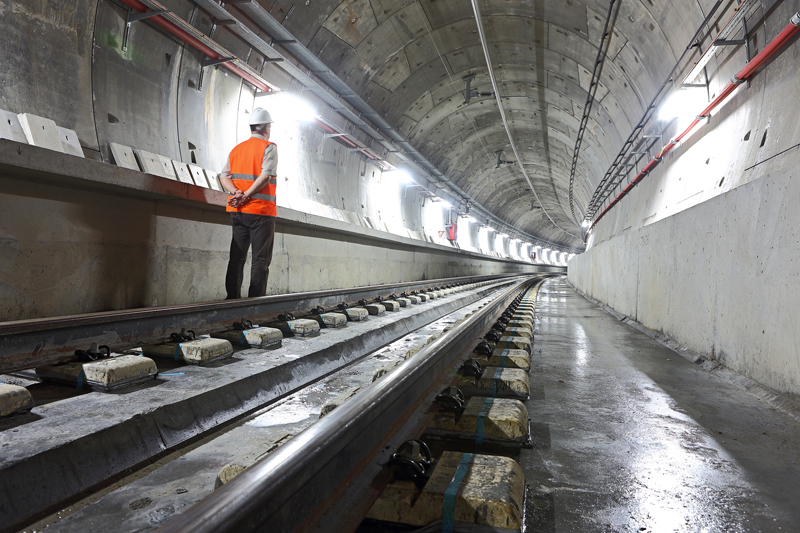
Eno is undertaking a research, policy, and communications project to analyze current and historical trends in transit project delivery