People- and Community-Centered Mobility Transformation — An App Won’t Save Us
Cities keep building fancier transit technology. And, all too often skip the people who need it most.

Cities keep building fancier transit technology. And, all too often skip the people who need it most.
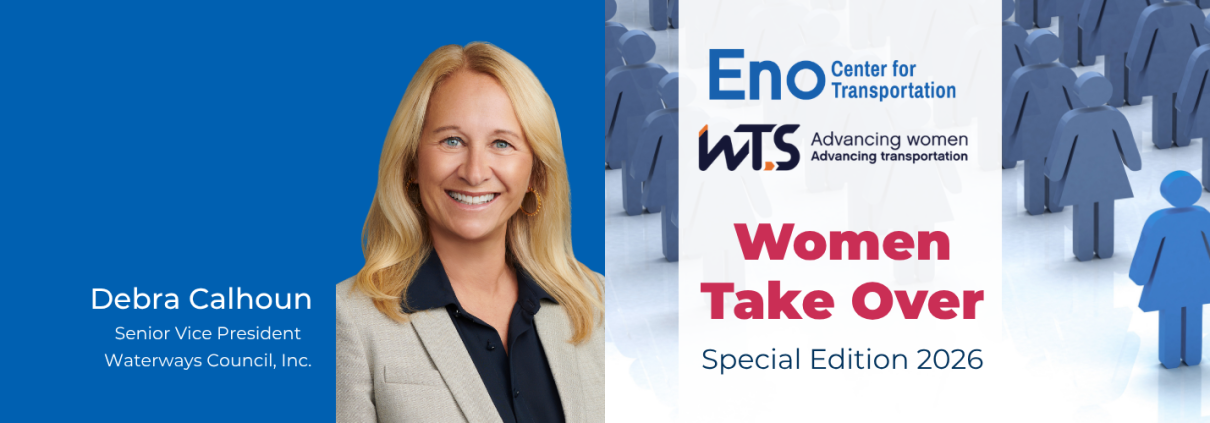
Telling the story of the inland waterways can help convey their national significance to everyday consumers and other beneficiaries of on inland navigation.
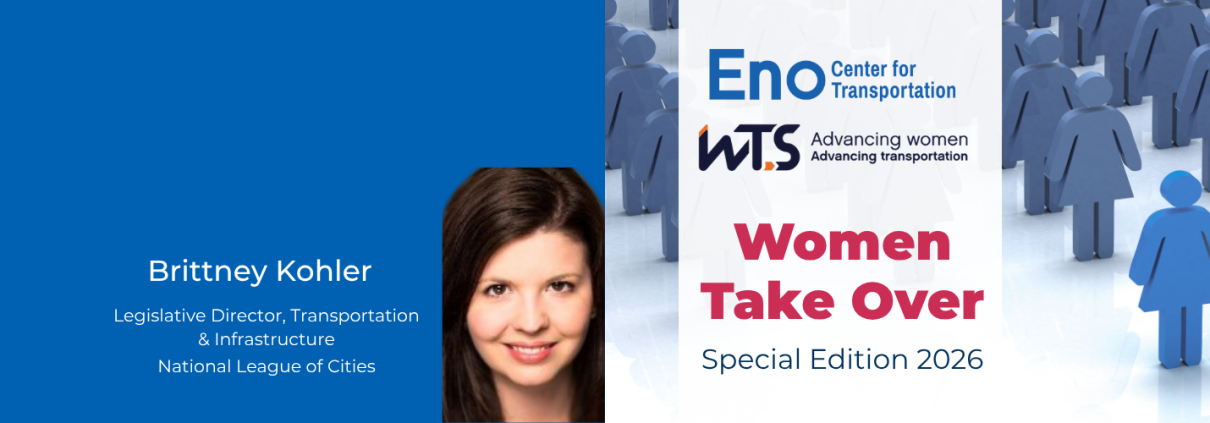
Congress should guarantee that a reasonable level of Highway Trust Fund dollars make it down to every region in America for locally selected regional priority projects and that recipients are accountable for results.

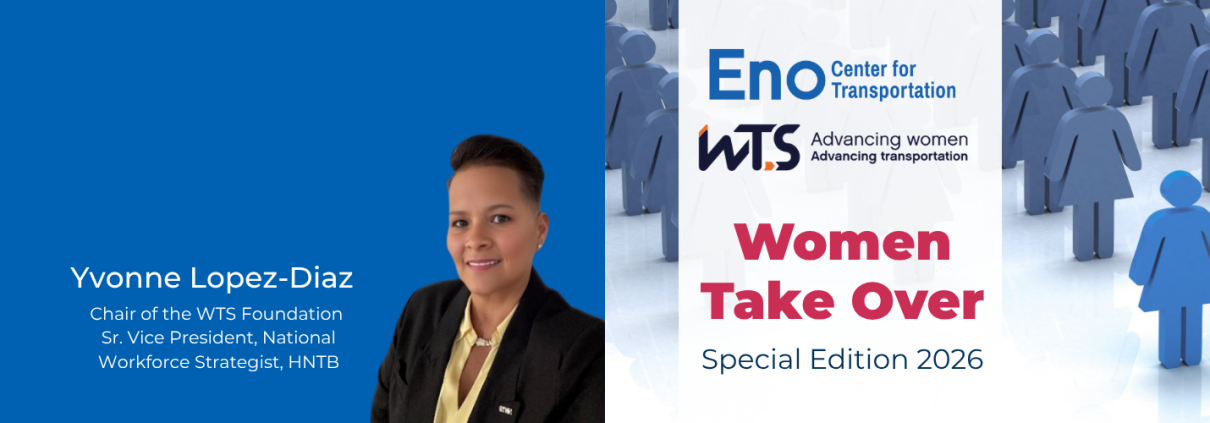
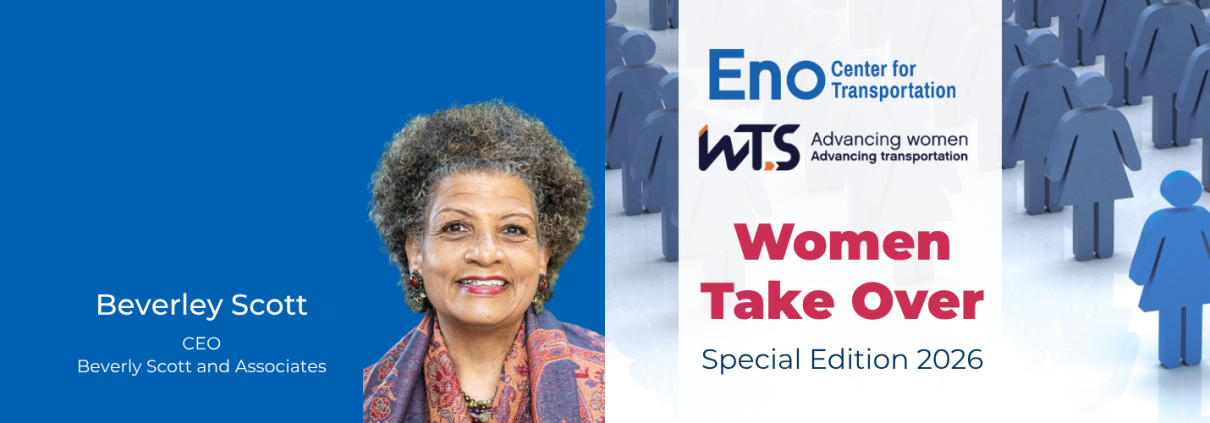
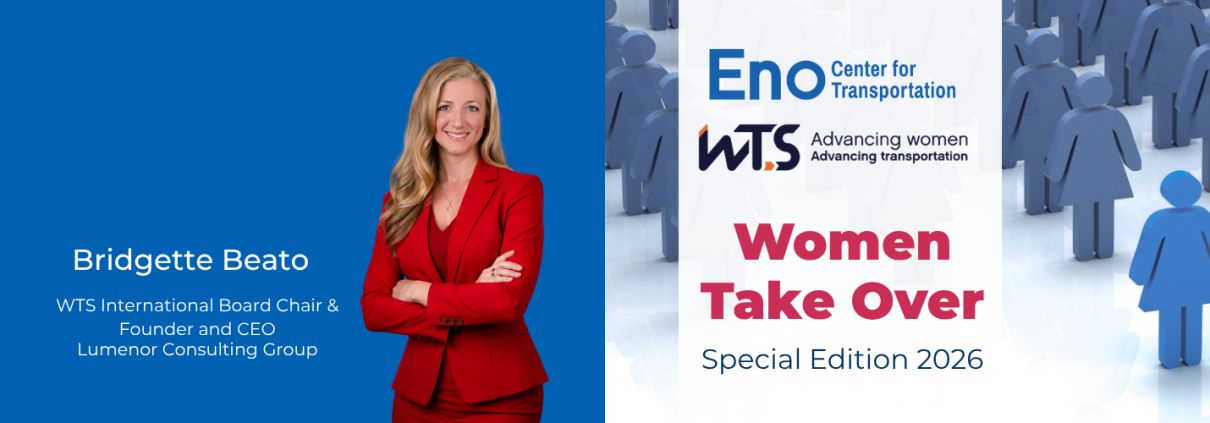
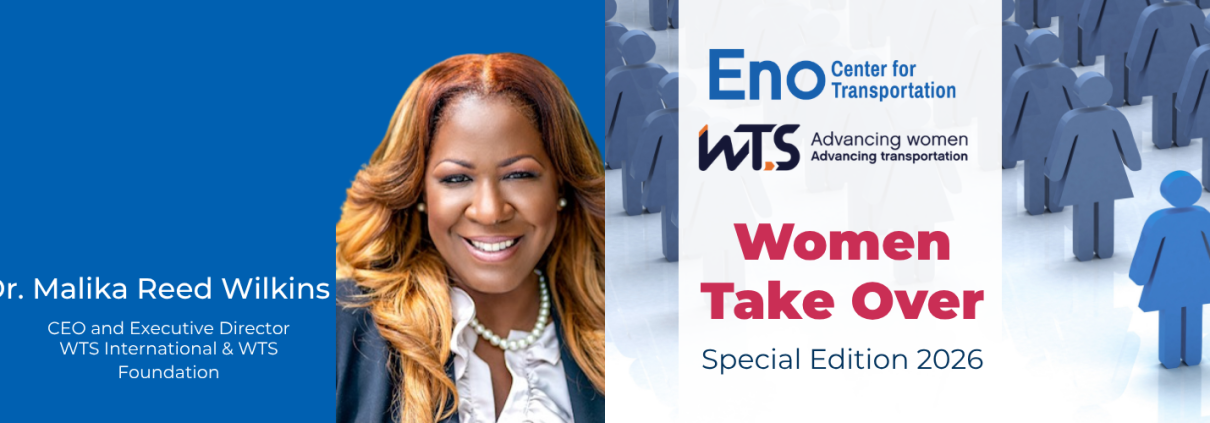
This Special Edition of ETW presents an array of voices and perspectives that showcase the diverse roles that women are playing in the transportation field today.

The Modern Skies Coalition demonstrates how labor, manufacturers, airlines, and airports came together in a strategic campaign to achieve a national imperative.

Succession planning helps staff pursue interests and obtain training needed, helps agencies ensure that qualified successors will be ready to take the lead, and helps leaders leave a legacy of organizational success.
Federal transit policy should be ambitiously re-oriented toward Mobility-as-a-Service, address the need for structural reforms, recognize the need for innovative technology, and embrace more holistic measures of success.

Nashville’s Choose How You Move referendum found success at the ballot box by committing to tangible improvements, delivering transit service enhancement, traffic signalization and flow improvements, and building 86 miles of new sidewalks.
Women’s contribution to the transportation workforce is growing steadily; mentoring and career development can help to accelerate this trend.