
Navigating the Intersection: AI and Transportation
Artificial intelligence (AI) is often in the news due to its increasingly sophisticated capabilities. Along with many products that have been created for consumers, there are growing numbers of AI tools being developed and used by government agencies. These tools can be applied to solve problems previously unsolvable and reduce the time people spend on manual tasks, but there are also concerns about the use of new technology by public agencies because of the serious, consequential duties many of them perform.
Fortunately, there are a number of factors in place that may alleviate these concerns. First, public agencies are bound by many existing laws and regulations that provide a framework in which AI tools can be used legally, ethically, and effectively. These include rules governing data collection and use and the rights and responsibilities of private citizens in public spaces, including public streets, which is where the vast majority of travel occurs.
In addition, numerous federal agencies have developed policies and regulations around AI. These include the White House Executive Order on the Safe, Secure, and Trustworthy Development and Use of Artificial Intelligence and the AI Risk Management Framework from the National Institute of Standards and Technology, both released in 2023. Within U.S. DOT, both the Intelligent Transportation Systems Joint Program Office (ITS JPO) and the newly formed Transforming Transportation Advisory Committee focus on AI tools and policy. Last month U.S. DOT announced a $15 million Complete Streets AI Initiative, one example of how it intends to guide AI development, in this case to fund small businesses to develop new AI-powered decision-support tools.
One of the most important ways to mitigate risk is to use AI as a tool to assist people to make informed decisions, rather than as a replacement for people’s judgment. Technology can be used to remove menial, time-consuming tasks from an employee’s workload and enable them to focus on critical thinking, synthesizing information, and other meaningful work that is more valuable and fulfilling. AI tools could be used to improve the current status at many transportation agencies, which a recent FHWA report stated are “data rich but information poor,” finding that a lack of analysis and decentralization of asset records “prevent agencies from producing timely, fact-based information that is needed to make sound business decisions.”
The pace of change within the AI industry may make it difficult for transportation practitioners to identify and understand the range of tools that could be useful in their jobs. That’s one reason why I recently published “Understanding AI & Transportation” with Eno. This report aims to help explain the history and current state of the AI industry and the range of AI methods that are most relevant within it, along with examples of how AI tools could be applied across modes to solve problems and improve system performance. By responsibly incorporating AI tools into transportation, practitioners can elevate their work and contribute to improved service delivery, better safety outcomes, and the well-being of Americans as they travel.
Search Eno Transportation Weekly
Happening on the Hill
Tags
Related Articles
 https://enotrans.org/wp-content/uploads/2026/03/Debra-Calhoun-lg-header.png
500
2096
Rebecca Higgins
https://enotrans.org/wp-content/uploads/2022/12/Eno-Logo-2.png
Rebecca Higgins2026-03-31 13:28:382026-03-31 15:20:23Making More Visible the Often-Invisible Inland Waterways
https://enotrans.org/wp-content/uploads/2026/03/Debra-Calhoun-lg-header.png
500
2096
Rebecca Higgins
https://enotrans.org/wp-content/uploads/2022/12/Eno-Logo-2.png
Rebecca Higgins2026-03-31 13:28:382026-03-31 15:20:23Making More Visible the Often-Invisible Inland Waterways https://enotrans.org/wp-content/uploads/2026/02/a-boat.jpg
1499
2000
Sohail Husain
https://enotrans.org/wp-content/uploads/2022/12/Eno-Logo-2.png
Sohail Husain2026-03-20 12:41:262026-03-20 12:41:26House Judiciary Committee Meets to Discuss Antitrust Exemption in Maritime Shipping
https://enotrans.org/wp-content/uploads/2026/02/a-boat.jpg
1499
2000
Sohail Husain
https://enotrans.org/wp-content/uploads/2022/12/Eno-Logo-2.png
Sohail Husain2026-03-20 12:41:262026-03-20 12:41:26House Judiciary Committee Meets to Discuss Antitrust Exemption in Maritime Shipping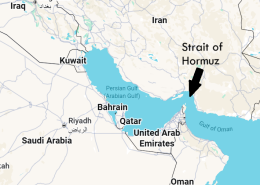 https://enotrans.org/wp-content/uploads/2026/03/Screenshot-2026-03-06-133311.png
595
709
Rebecca Higgins
https://enotrans.org/wp-content/uploads/2022/12/Eno-Logo-2.png
Rebecca Higgins2026-03-06 15:30:262026-03-06 15:30:26Tracking Transportation Impacts from Military Engagement in Iran
https://enotrans.org/wp-content/uploads/2026/03/Screenshot-2026-03-06-133311.png
595
709
Rebecca Higgins
https://enotrans.org/wp-content/uploads/2022/12/Eno-Logo-2.png
Rebecca Higgins2026-03-06 15:30:262026-03-06 15:30:26Tracking Transportation Impacts from Military Engagement in Iran https://enotrans.org/wp-content/uploads/2026/02/Shipbuilding.jpg
1500
2000
kferrell
https://enotrans.org/wp-content/uploads/2022/12/Eno-Logo-2.png
kferrell2026-02-20 15:27:242026-02-20 15:27:24Trump Envisions “Maritime Golden Age” through Investments, Fees, and Deregulation
https://enotrans.org/wp-content/uploads/2026/02/Shipbuilding.jpg
1500
2000
kferrell
https://enotrans.org/wp-content/uploads/2022/12/Eno-Logo-2.png
kferrell2026-02-20 15:27:242026-02-20 15:27:24Trump Envisions “Maritime Golden Age” through Investments, Fees, and Deregulation https://enotrans.org/wp-content/uploads/2025/12/Coast-Guard.jpg
1414
2121
kferrell
https://enotrans.org/wp-content/uploads/2022/12/Eno-Logo-2.png
kferrell2025-12-19 14:59:172025-12-19 15:48:29The Coast Guard’s Ongoing Experience with New Technology
https://enotrans.org/wp-content/uploads/2025/12/Coast-Guard.jpg
1414
2121
kferrell
https://enotrans.org/wp-content/uploads/2022/12/Eno-Logo-2.png
kferrell2025-12-19 14:59:172025-12-19 15:48:29The Coast Guard’s Ongoing Experience with New Technology https://enotrans.org/wp-content/uploads/2025/10/maritime.jpg
1498
2000
kferrell
https://enotrans.org/wp-content/uploads/2022/12/Eno-Logo-2.png
kferrell2025-10-24 15:18:312025-10-24 16:18:01Senate Commerce Committee Holds Hearing on Maritime-Related nominations
https://enotrans.org/wp-content/uploads/2025/10/maritime.jpg
1498
2000
kferrell
https://enotrans.org/wp-content/uploads/2022/12/Eno-Logo-2.png
kferrell2025-10-24 15:18:312025-10-24 16:18:01Senate Commerce Committee Holds Hearing on Maritime-Related nominations https://enotrans.org/wp-content/uploads/2025/09/Maritime-Fuel-scaled.jpg
1440
2560
kferrell
https://enotrans.org/wp-content/uploads/2022/12/Eno-Logo-2.png
kferrell2025-09-12 16:10:312025-09-12 16:10:31Maritime Decarbonization – US Moves Pale Next to IMO’s
https://enotrans.org/wp-content/uploads/2025/09/Maritime-Fuel-scaled.jpg
1440
2560
kferrell
https://enotrans.org/wp-content/uploads/2022/12/Eno-Logo-2.png
kferrell2025-09-12 16:10:312025-09-12 16:10:31Maritime Decarbonization – US Moves Pale Next to IMO’s https://enotrans.org/wp-content/uploads/2025/05/cargo-theft-scaled.jpg
1707
2560
kferrell
https://enotrans.org/wp-content/uploads/2022/12/Eno-Logo-2.png
kferrell2025-05-02 14:42:202025-05-02 16:00:17Roundtable: Combatting Cargo Theft: Stakeholder Perspectives
https://enotrans.org/wp-content/uploads/2025/05/cargo-theft-scaled.jpg
1707
2560
kferrell
https://enotrans.org/wp-content/uploads/2022/12/Eno-Logo-2.png
kferrell2025-05-02 14:42:202025-05-02 16:00:17Roundtable: Combatting Cargo Theft: Stakeholder Perspectives  https://enotrans.org/wp-content/uploads/2025/04/Shipbuilding.jpg
1500
2000
Jeff Davis
https://enotrans.org/wp-content/uploads/2022/12/Eno-Logo-2.png
Jeff Davis2025-04-11 15:28:302025-05-01 11:38:19Trump Signs Shipbuilding Executive Order
https://enotrans.org/wp-content/uploads/2025/04/Shipbuilding.jpg
1500
2000
Jeff Davis
https://enotrans.org/wp-content/uploads/2022/12/Eno-Logo-2.png
Jeff Davis2025-04-11 15:28:302025-05-01 11:38:19Trump Signs Shipbuilding Executive Order https://enotrans.org/wp-content/uploads/2023/02/port-authority-of-new-york-and-new-jersey-freight-maritime-sea-scaled-2.jpg
1707
2560
Jeff Davis
https://enotrans.org/wp-content/uploads/2022/12/Eno-Logo-2.png
Jeff Davis2025-02-07 14:14:262025-02-07 14:14:26House Maritime Subcommittee Sets Sail into 119th
https://enotrans.org/wp-content/uploads/2023/02/port-authority-of-new-york-and-new-jersey-freight-maritime-sea-scaled-2.jpg
1707
2560
Jeff Davis
https://enotrans.org/wp-content/uploads/2022/12/Eno-Logo-2.png
Jeff Davis2025-02-07 14:14:262025-02-07 14:14:26House Maritime Subcommittee Sets Sail into 119th https://enotrans.org/wp-content/uploads/2023/01/cargo-supply-chain-freight-port-maritime-boat-shipping.jpg
1396
2146
Jeff Davis
https://enotrans.org/wp-content/uploads/2022/12/Eno-Logo-2.png
Jeff Davis2024-12-13 14:24:142024-12-13 14:24:14Water, Defense/Maritime Bills Advance in House
https://enotrans.org/wp-content/uploads/2023/01/cargo-supply-chain-freight-port-maritime-boat-shipping.jpg
1396
2146
Jeff Davis
https://enotrans.org/wp-content/uploads/2022/12/Eno-Logo-2.png
Jeff Davis2024-12-13 14:24:142024-12-13 14:24:14Water, Defense/Maritime Bills Advance in House https://enotrans.org/wp-content/uploads/2023/02/inland-waterways-water-ohio-river-dam.jpg
1413
2121
Jeff Davis
https://enotrans.org/wp-content/uploads/2022/12/Eno-Logo-2.png
Jeff Davis2024-12-06 13:45:112024-12-06 13:45:11Biennial WRDA Bill Transfers $2B in Unused Highway TIFIA Funding to States
https://enotrans.org/wp-content/uploads/2023/02/inland-waterways-water-ohio-river-dam.jpg
1413
2121
Jeff Davis
https://enotrans.org/wp-content/uploads/2022/12/Eno-Logo-2.png
Jeff Davis2024-12-06 13:45:112024-12-06 13:45:11Biennial WRDA Bill Transfers $2B in Unused Highway TIFIA Funding to States
