How Security and Resilience Have Shaped Amtrak’s Mission
September 11, 2001, changed transportation in America forever. Like all transportation providers, Amtrak experienced that day not only as a national tragedy, but as a defining moment that reshaped how we think about security, preparedness, and resilience.
As we mark the 25th anniversary of the attacks, it is worth reflecting on how passenger rail has evolved over the past quarter century. The lessons of 9/11 continue to influence how Amtrak protects its customers, employees, infrastructure, and operations while preserving the openness and accessibility that have long defined rail travel.
On the morning of September 11, 2001, Americans watched as terrorists exploited vulnerabilities in the transportation system to carry out attacks that killed nearly 3,000 people. In the immediate aftermath, aviation operations across the United States were halted and Amtrak suspended service nationwide to conduct a top-to-bottom security sweep of its network. Transportation agencies at every level and mode began reassessing their security posture and operational readiness.
At Amtrak, trains, tracks, bridges, tunnels, stations, and other assets were inspected, while security personnel were stationed at facilities around the clock. Once the initial inspections were completed, service resumed within hours and gradually returned to a full operating schedule later that evening. Over the next three days, while commercial aircraft remained grounded, Amtrak provided a vital transportation link for the country, helping business travelers continue essential trips and reuniting families stranded far from home.
For passenger rail, the post – 9/11 challenge was distinct. Rail systems are designed to move large numbers of people efficiently through interconnected networks that span cities, states, and regions. Unlike airports, train stations often serve as open public spaces integrated into surrounding communities. The question was not simply how to make railroads more secure, but how to do so while maintaining the mobility and accessibility that are essential to the nation’s transportation system.
Over the past 25 years, Amtrak has further transformed its approach to security. The Amtrak Police Department evolved from a more traditional law enforcement organization into a sophisticated security and intelligence-driven operation focused on prevention, threat awareness, and coordinated response. Partnerships with federal, state, local, and international agencies became a cornerstone of our security strategy. Information sharing, joint exercises, and participation in law enforcement and intelligence networks now play an everyday role in protecting the railroad.
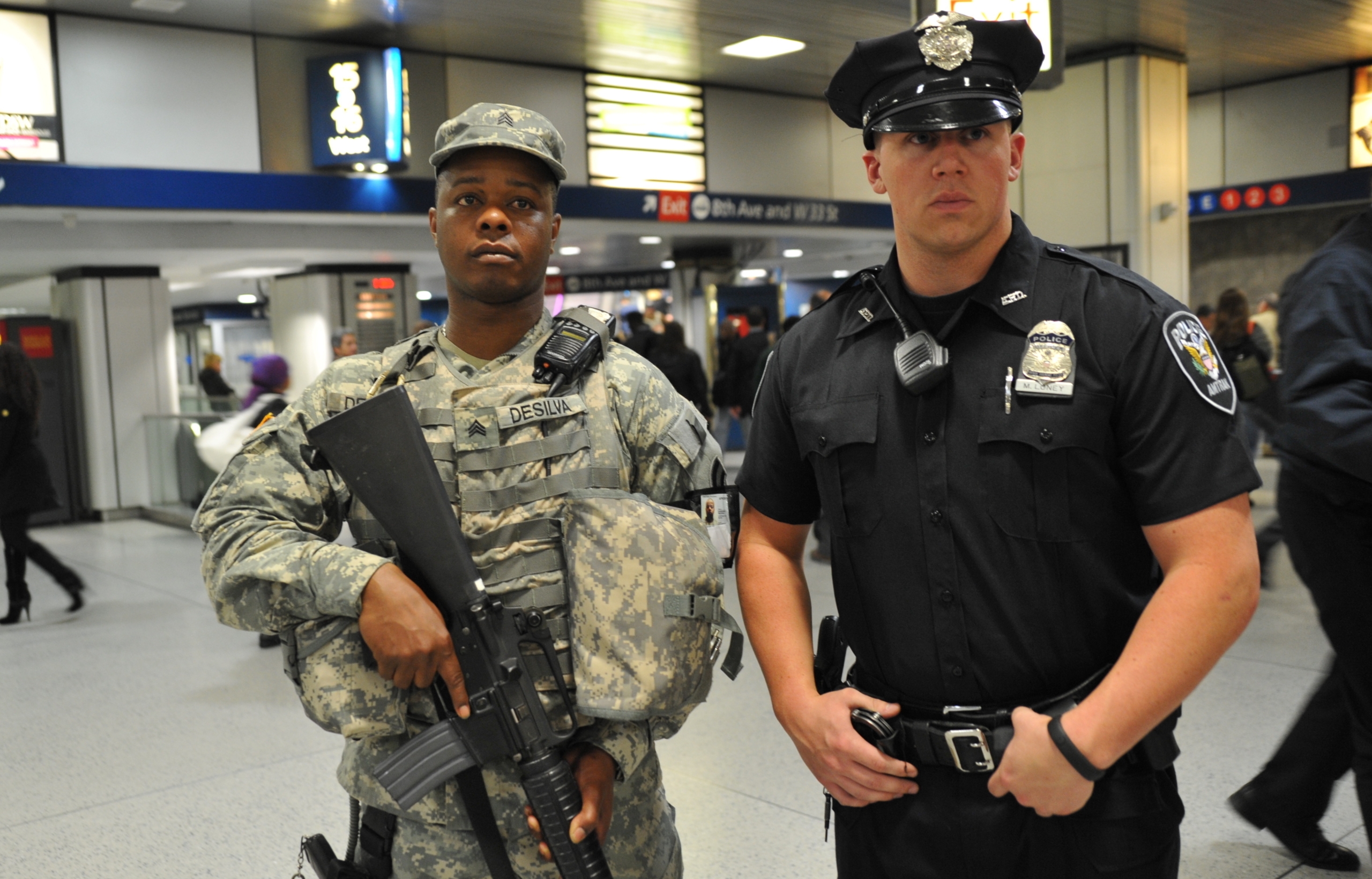
New York Army National Guard with an Amtrak Police Officer. The team was part of a Multi-Agency Super Surge in which police saturate key transportation nodes to deter attacks. This photo was taken on May 2, 2012, one year after Osama Bin Laden was killed. (Photo Credit: New York Army National Guard)
At Amtrak, security enhancements have extended far beyond visible policing. We have expanded the use of explosive detection canines, increased random passenger and baggage screening capabilities, strengthened intelligence analysis, and invested in technologies designed to safeguard critical infrastructure. We have also enhanced emergency management programs and strengthened our ability to coordinate with first responders and partner agencies during incidents.
Just as important, we have invested in people.
Thousands of Amtrak employees have received security awareness training over the years. Conductors, station personnel, engineers, maintenance employees, and others serve as an extended network of trained observers who understand how to recognize and report suspicious activity. Security today is not confined to a police department or control center. It is embedded throughout the organization.
The importance of this workforce vigilance cannot be overstated. One of the enduring lessons of 9/11 is that effective security relies on awareness, communication, and coordination. Technology provides critical tools, but people remain our most valuable asset.
The 25 years since the attacks have also broadened our understanding of risk. In 2001, transportation security discussions focused heavily on terrorism. While that threat remains real, today’s environment is far more complex. Transportation agencies must address cybersecurity threats, insider threats, infrastructure vulnerabilities, severe weather events, public health emergencies, and other emerging risks.
The COVID-19 pandemic offered another powerful reminder that resilience is inseparable from security. Transportation systems must be capable not only of preventing hostile acts but also of adapting to disruptions and continuing to serve the public during crises. At Amtrak, this expanded view of resilience informs how we plan, train, and invest for the future.
The Northeast Corridor, America’s busiest passenger rail route, illustrates both the opportunities and challenges of modern transportation security. Every day, Amtrak operates across a network that supports hundreds of thousands of passenger trips and connects major economic centers. Protecting this infrastructure requires a layered approach combining physical security, law enforcement presence, cybersecurity measures, intelligence sharing, employee preparedness, and public engagement.
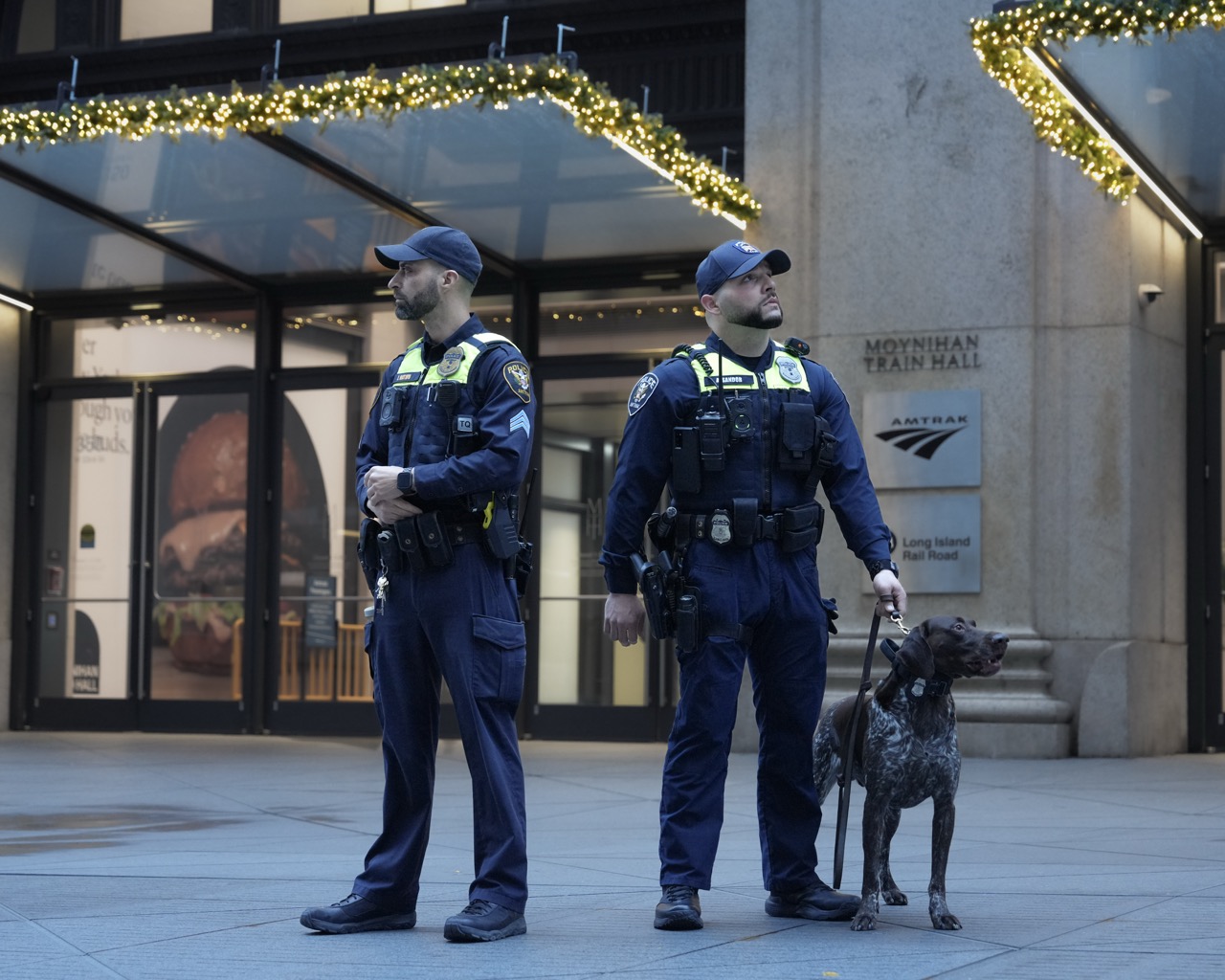
Amtrak police outside of New York’s Penn Station. Photo Credit: Amtrak.
Public participation remains another important component of transportation security. Programs that encourage passengers and community members to report suspicious activities reflect a simple but powerful principle: security is a shared responsibility. The public often serves as an important source of information that helps identify potential concerns before they become incidents.
As we look ahead, security will remain an evolving challenge. New technologies, including artificial intelligence, advanced analytics, and improved detection systems, offer opportunities to enhance situational awareness and risk management. At the same time, transportation providers must continue balancing security with customer experience, privacy, efficiency, and accessibility.
Twenty-five years after 9/11, perhaps the most important lesson is that transportation security is not a destination but a continuous process. Threats change. Technologies evolve. Expectations shift. What remains constant is the responsibility to anticipate risks, prepare for uncertainty, and protect the traveling public.
At Amtrak, we honor the memory of those lost on September 11 by remaining committed to that responsibility every day. The attacks reshaped transportation in profound ways, but they also inspired unprecedented collaboration, innovation, and vigilance throughout the industry. Those efforts have made our transportation systems stronger and more resilient.
As the nation reflects on the events of September 11, 2001, Amtrak joins transportation partners across the country in remembering the victims, honoring the first responders, and reaffirming our commitment to providing safe, secure, and reliable transportation for generations to come.

Amtrak Police deployed to Union Station in Washington, D.C. on January 6, 2025, the day Congress certified the presidential election. (Photo Credit: Amtrak).